

Genetics determines the course of cancer development, scientists have found
A new study has shown that inherited genetics influence not only the risk of developing cancer, but also how tumors form. These findings highlight the importance of a personalized approach to diagnosis and treatment.
Cursus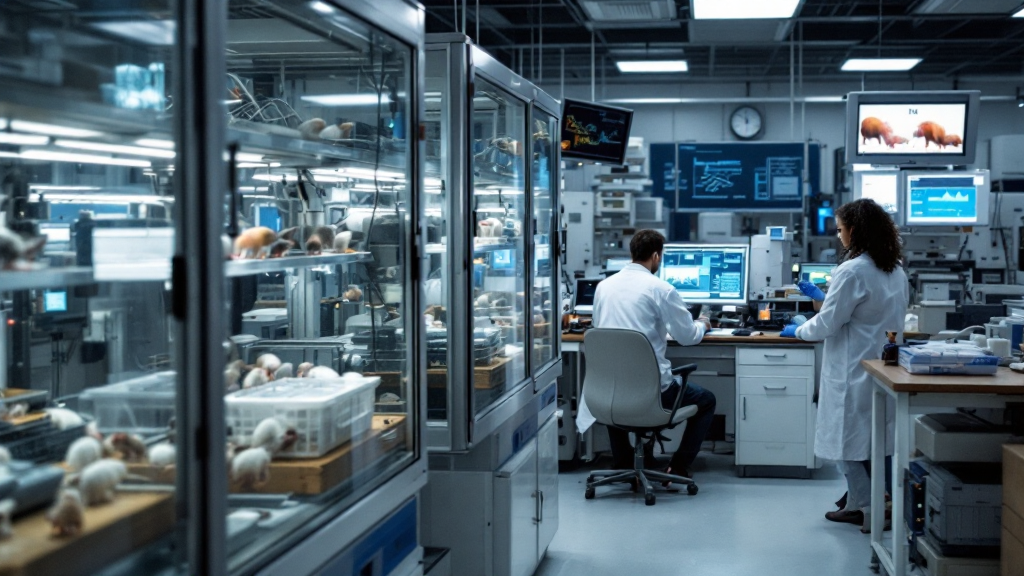
For the first time, research has provided direct evidence that inherited genetics not only influence a person's risk of developing cancer, but also determine how a tumor forms.
The Impact of Hereditary Genes on Tumor Development
It has been established that the genes a person is born with can interact with mutations acquired throughout life, shaping the evolutionary path of tumor development. This explains why people in similar environments may have different cancer risks. The findings also suggest that future cancer prevention and screening methods should take into account hereditary traits and the diversity of human populations.
Experimental Model and Key Findings
A study on mice, published in the journal Nature, demonstrated that genetic background can affect how an organism responds to anti-cancer drugs that damage DNA. This underscores the need for personalized diagnostic and treatment approaches.
Cancer arises when errors accumulate in the DNA of cells—mutations that can lead to uncontrolled cell division and the ignoring of signals that normally trigger the death of damaged cells. External factors such as tobacco smoke and sunlight increase DNA damage. Hereditary genetic differences also influence the number of mutations and how cells respond to them.
However, even with similar risks, outcomes can vary: most smokers do not develop lung cancer, while some non-smokers do. Previously, it was assumed that inherited genetics explained these differences, but obtaining direct evidence in humans was challenging due to lifestyle and risk factor variations.
Research Methodology
This study was the result of years of international collaboration between the universities of Cambridge, Edinburgh, and scientific institutions in Europe and the USA. Most experiments were conducted at the Cambridge University Cancer Research Institute. Scientists developed a method that allowed them to maintain identical environmental conditions and directly test the influence of genetic background on the emergence and development of tumors.
Four mouse strains with varying predispositions to liver cancer were bred, providing genetic diversity comparable to that of humans. Each mouse received a single dose of the carcinogen diethylnitrosamine (DEN), found in tobacco smoke and some processed foods. This substance damages the DNA of liver cells and can trigger mutations that initiate tumor growth.
All mice received the same dose at the same age—15 days old—under strictly controlled conditions, minimizing environmental influences.
Analysis and Conclusions
The genomes of nearly 600 tumors were sequenced, gene activity changes were studied, and the frequency of spontaneous tumor formation in the four mouse strains was compared. Based on this data, researchers reconstructed the development path of each tumor, starting from the initial mutation.
In all strains, tumors almost always developed a driver mutation that activated the same signaling pathway—the MAPK pathway, which regulates cell growth and differentiation and is involved in many cancer types. However, tumor development varied: the specific driver mutations depended on each mouse's inherited genetics and also influenced the activity of other cancer-related signaling pathways. Some genetic backgrounds showed a tendency for whole-genome duplication—an event where the entire set of chromosomes is copied.
The results show that cancer does not arise entirely by chance. While tumors often reach the same biological outcome, the path to that outcome is determined by individual genetic background. For the first time, the study demonstrated how strongly genetics influence both mutation processes and the pathways of tumor development.
Implications for Medicine
These findings could have significant implications for personalized medicine and cancer screening. If genetic background affects both cancer risk and tumor evolution, future prevention and screening strategies should consider hereditary traits and population diversity. Similarly, responses to anti-cancer drugs are likely to differ depending on genetic background, so diagnostics and treatment should be tailored individually.
Although the experiments were conducted in mice, further research is needed to assess the applicability of these results to humans. Nevertheless, the data confirm that cancer development is determined not only by environmental factors and acquired mutations, but also by the genetic background in which these mutations occur.