A new study has shown that inherited genetics influence not only the risk of developing cancer, but also how tumors form. These findings highlight the importance of a personalized approach to diagnosis and treatment.
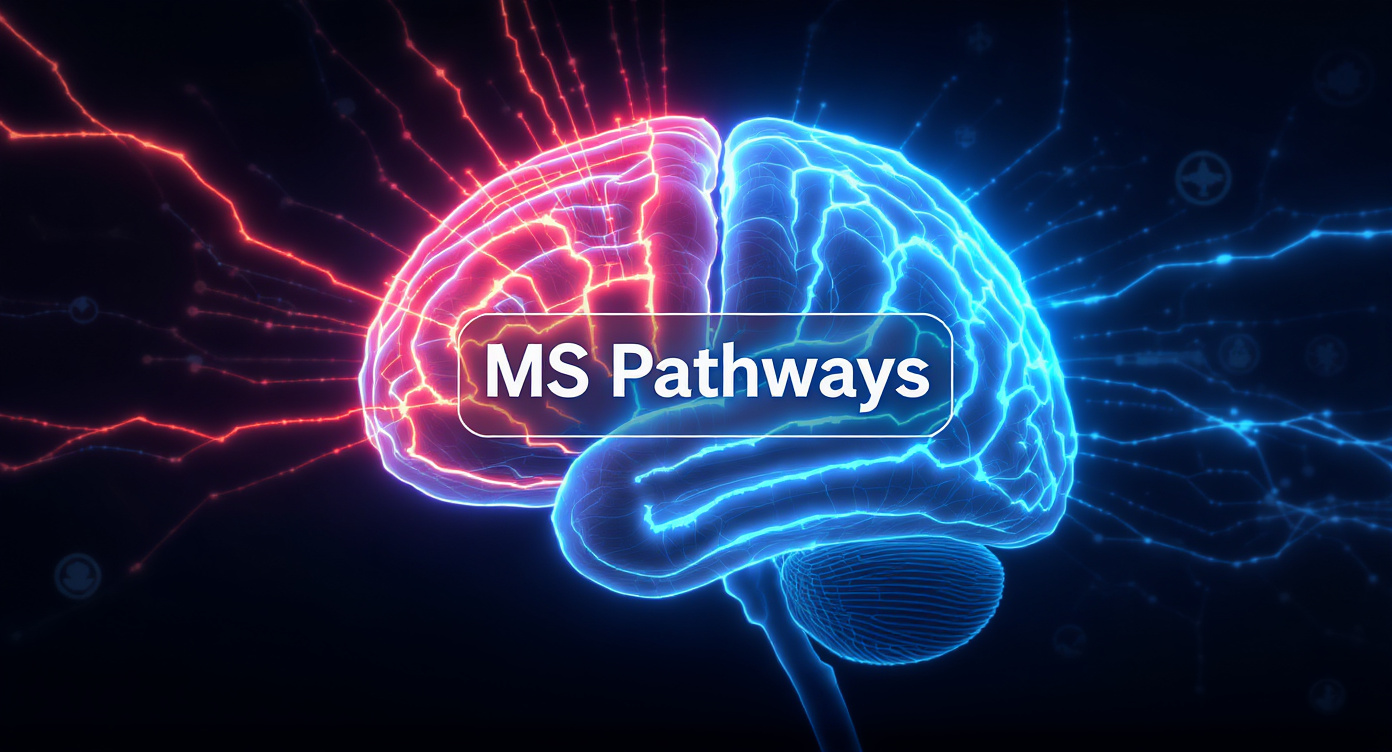
A new study has shown that multiple sclerosis can develop through two distinct biological pathways, which explains the differences in disease progression and treatment response among patients. This discovery could lead to changes in how the disease is diagnosed and treated in the future.
Scientists have developed the V2P artificial intelligence system, which not only detects harmful genetic mutations but also predicts diseases associated with them. This technology speeds up diagnostics and opens new possibilities for personalized medicine.
A new study has shown that taking a low dose of aspirin can halve the risk of colorectal cancer recurrence in patients with certain genetic mutations after surgery. This approach could significantly improve both the prognosis and accessibility of treatment for this group of patients.


 Cursus