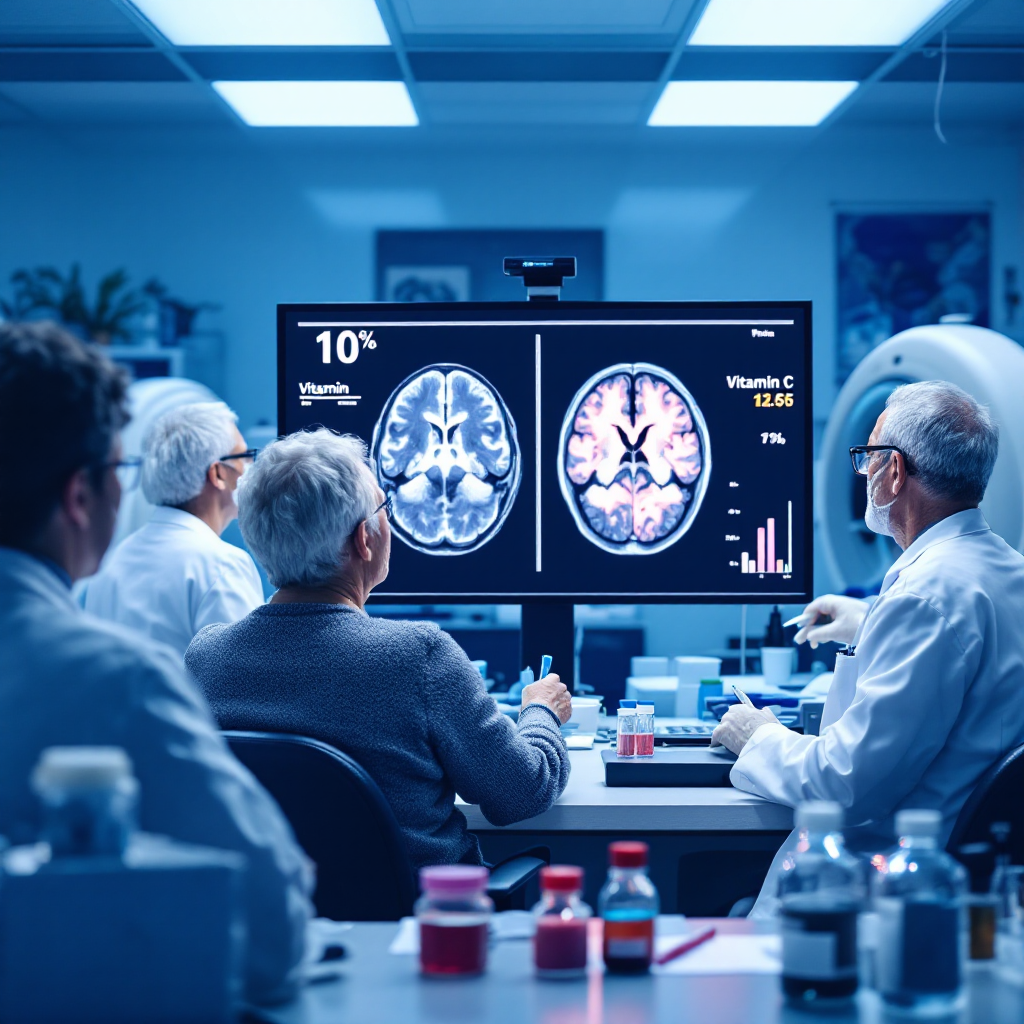
A study among elderly individuals has revealed a link between low blood vitamin C levels and a reduction in brain gray matter volume, as well as decreased connectivity in key brain networks. These findings highlight the importance of a balanced diet for maintaining cognitive health in older age.
At the University of Michigan, researchers have developed the AI system Prima, which analyzes brain MRI scans and delivers a diagnosis within seconds with an accuracy of up to 97.5%. This technology can assess the urgency of medical intervention and has the potential to significantly reduce the workload for doctors by speeding up and improving the quality of neurological disease diagnostics.
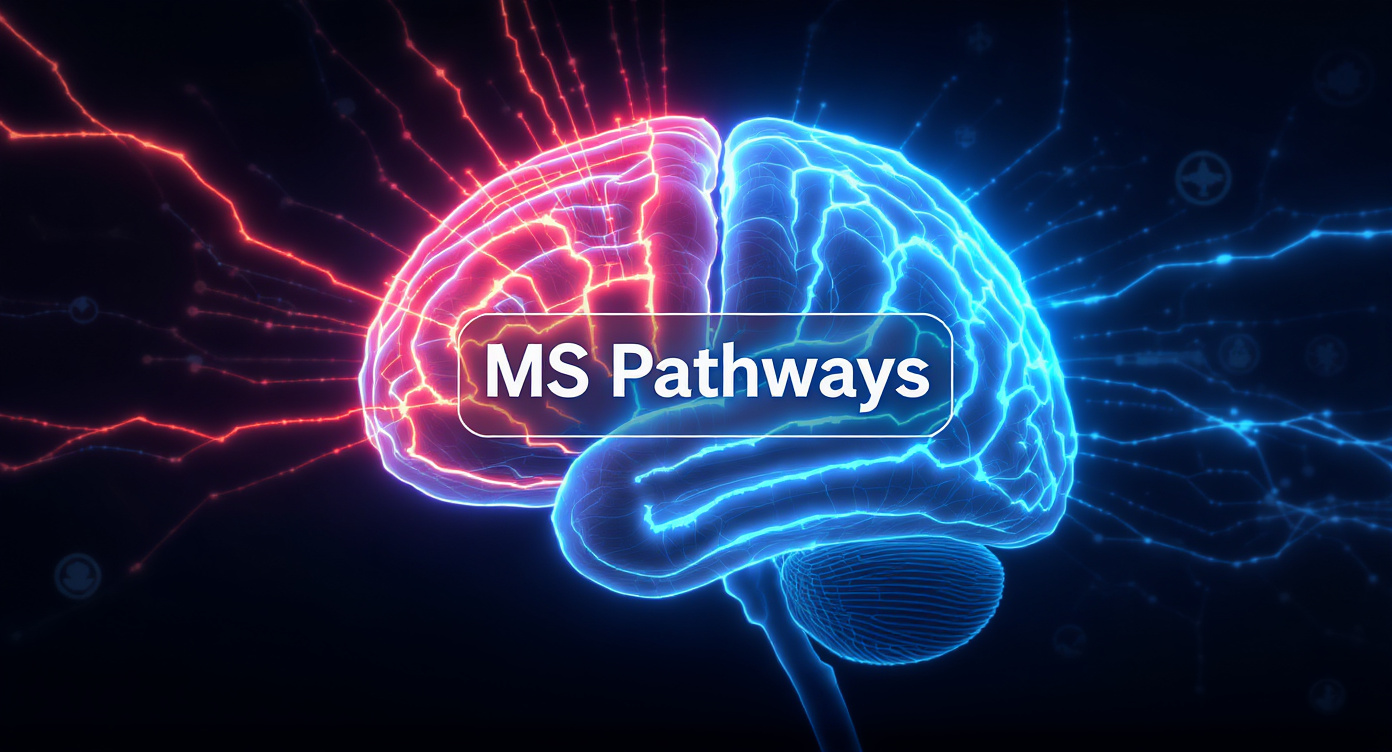
A new study has shown that multiple sclerosis can develop through two distinct biological pathways, which explains the differences in disease progression and treatment response among patients. This discovery could lead to changes in how the disease is diagnosed and treated in the future.
Chinese scientists have discovered that a tendency to procrastinate may be linked to the structure of teenagers' brains and can be partially inherited. This finding could help in developing methods for preventing and correcting procrastination.
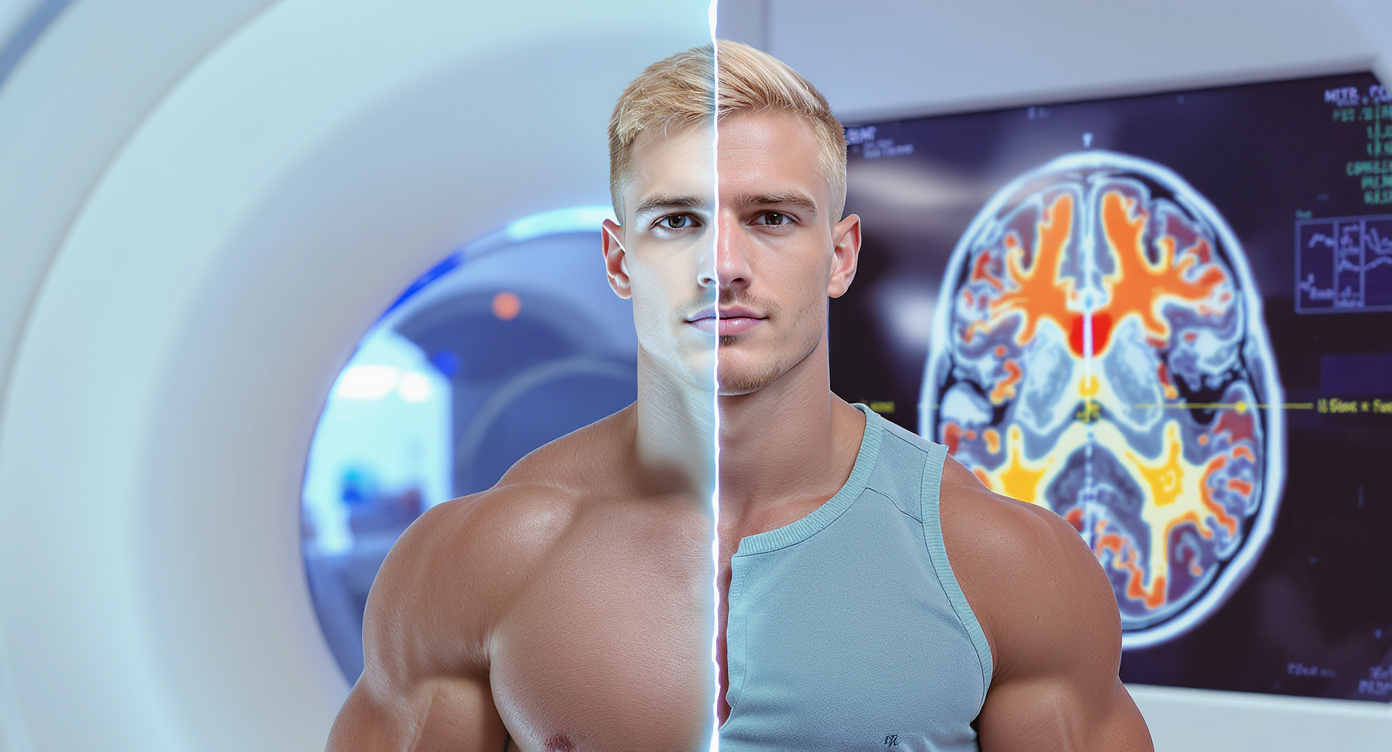
A new study has shown that people with greater muscle mass and less visceral fat tend to have a biologically younger brain. This highlights the importance of maintaining muscle and reducing hidden fat for brain health.

 Salus
Salus