Studies have shown that dogs and humans share similar biological markers of aging, opening up new opportunities for longevity research. Habits that promote healthy aging in people are likely beneficial for dogs as well.
A new study has shown that regular coffee consumption is associated with a lower risk of cirrhosis, liver cancer, and mortality from liver diseases. The positive effect was observed even with just one or two cups a day. However, coffee does not replace other preventive measures and may not be suitable for everyone.
Scientists have demonstrated that miniature brain models grown from the cells of patients with Alzheimer's disease can help predict individual responses to treatment and identify new disease biomarkers. This approach paves the way for more precise and personalized therapies.
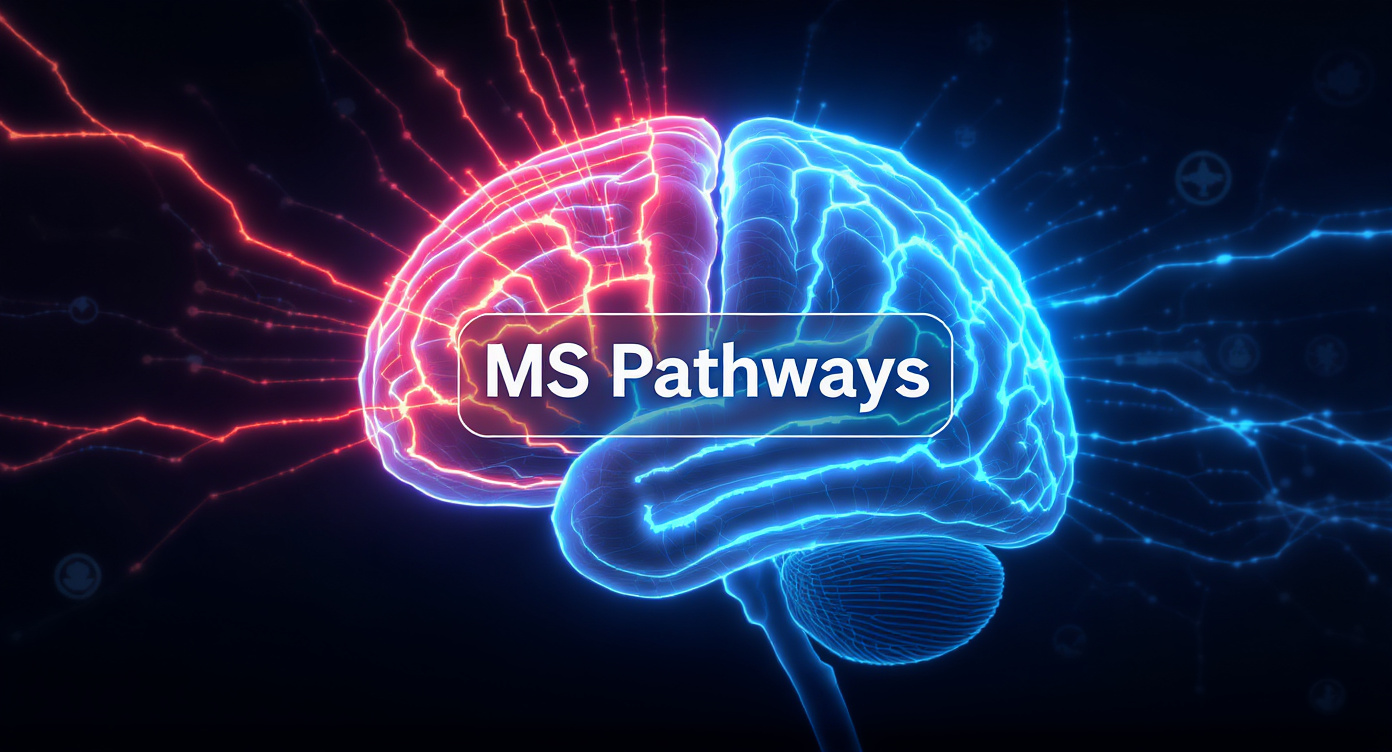
A new study has shown that multiple sclerosis can develop through two distinct biological pathways, which explains the differences in disease progression and treatment response among patients. This discovery could lead to changes in how the disease is diagnosed and treated in the future.
A large-scale genetic study has shown that many mental disorders are closely linked at the biological level and often occur together. These findings will help us better understand the nature of these conditions and select more effective treatments.
Swiss researchers have, for the first time, demonstrated that external electrical brain stimulation can significantly improve vision in patients with hemianopia following a stroke, opening up new possibilities for rehabilitation.
Scientists have grown miniature brain organoids that make it possible to more accurately detect and distinguish between schizophrenia and bipolar disorder based on the electrical activity of neurons. This technology could speed up diagnosis and help select more effective treatments for mental health disorders.
A recent meta-analysis has shown that anti-inflammatory drugs may help reduce the severity of depressive symptoms in people with chronic inflammation, opening up new possibilities for treatment. However, further research and the development of safe therapeutic methods are still needed.
A new study has shown that the risk of developing certain types of cancer depends not so much on the total amount of body fat, but rather on where it is distributed in the body. Visceral and liver fat are considered especially dangerous.
A new study has shown that hycean worlds—water-rich exoplanets with vast oceans—are much rarer than previously believed, due to water loss from chemical processes. This finding casts doubt on the existence of worlds where oceans make up a significant portion of their mass.


 Cursus