Studies have shown that dogs and humans share similar biological markers of aging, opening up new opportunities for longevity research. Habits that promote healthy aging in people are likely beneficial for dogs as well.
Scientists have uncovered the biochemical mechanisms behind the synthesis of toxic compounds in monkshood and larkspur, paving the way for the development of new medicines based on natural products. This research could lead to environmentally friendly methods for obtaining valuable medical substances.
Scientists have discovered that pythons produce a metabolite called pTOS, which helps them survive for long periods without food. When this substance was administered to obese mice, it reduced their appetite and body weight without causing side effects. This research opens up new possibilities for developing innovative treatments for obesity in humans.
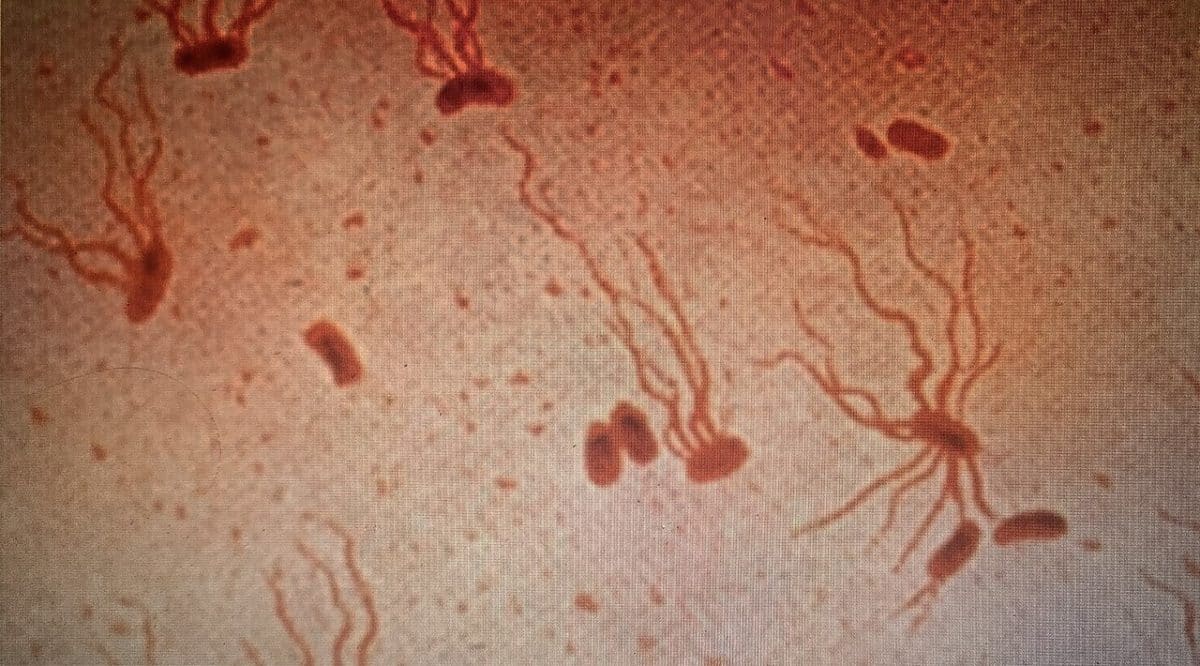
Scientists have discovered that bacteria can move across surfaces without flagella by creating an osmotic "wave" through the processing of sugars. This finding is important for combating bacterial infections.
The study found that yeast in flowers helps bumblebees locate nectar more quickly by making it easier for them to find collection openings. However, this process harms the plants by depriving them of pollination.
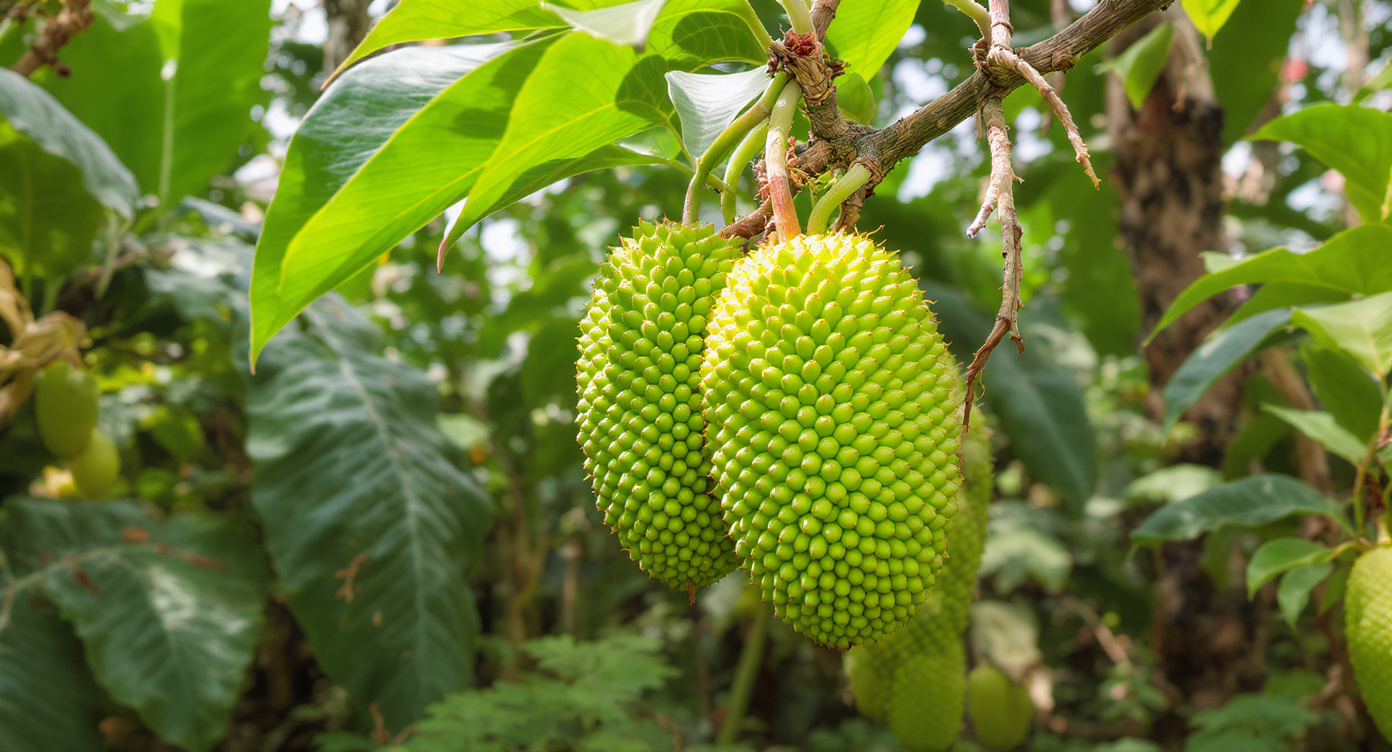
Monk fruit is not only a natural, low-calorie sweetener, but also a source of antioxidants, plant metabolites, and amino acids that can help support overall health.
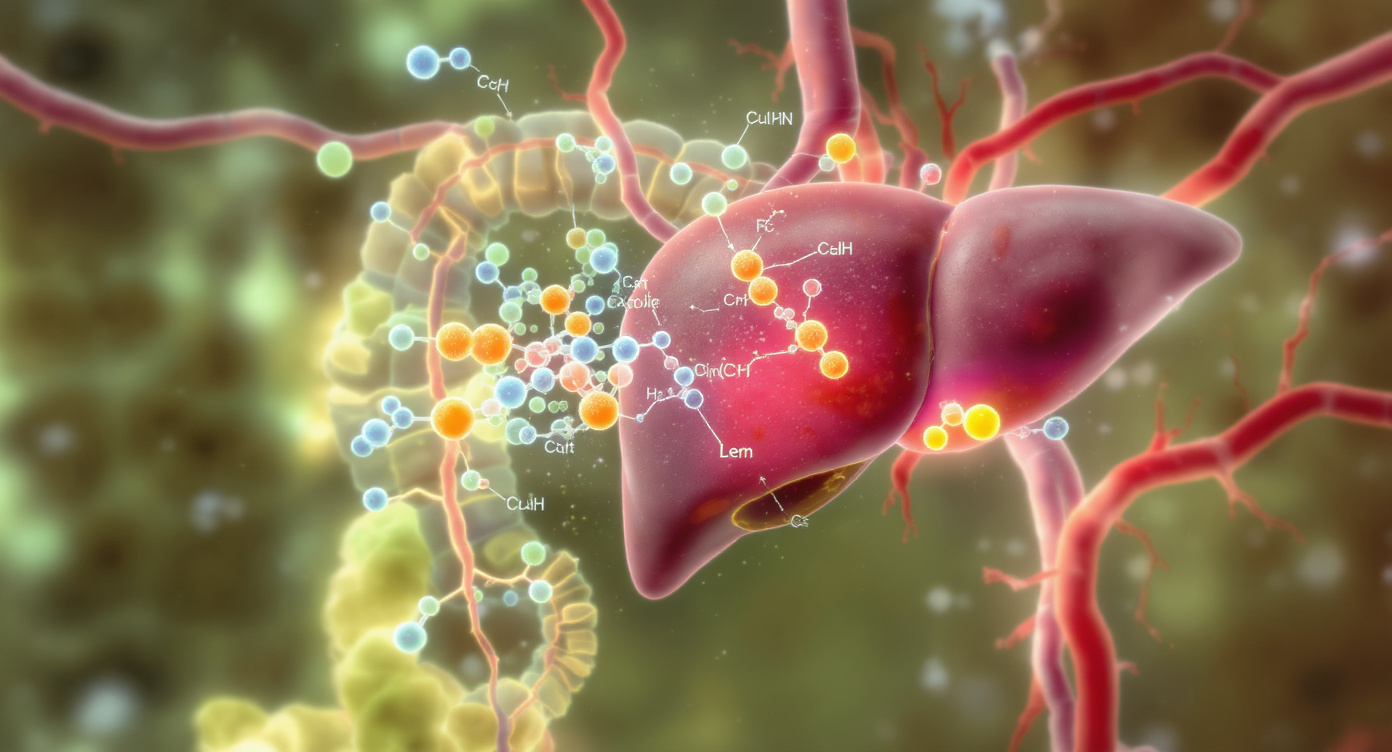
Scientists have identified molecules produced by the gut that influence metabolism and blood sugar levels through the liver. This discovery could lead to new approaches in the treatment of obesity and type 2 diabetes.
A new study has found that higher levels of theobromine—a compound found in cocoa—are associated with signs of slower biological aging. However, scientists emphasize that further research is needed before drawing definitive conclusions.
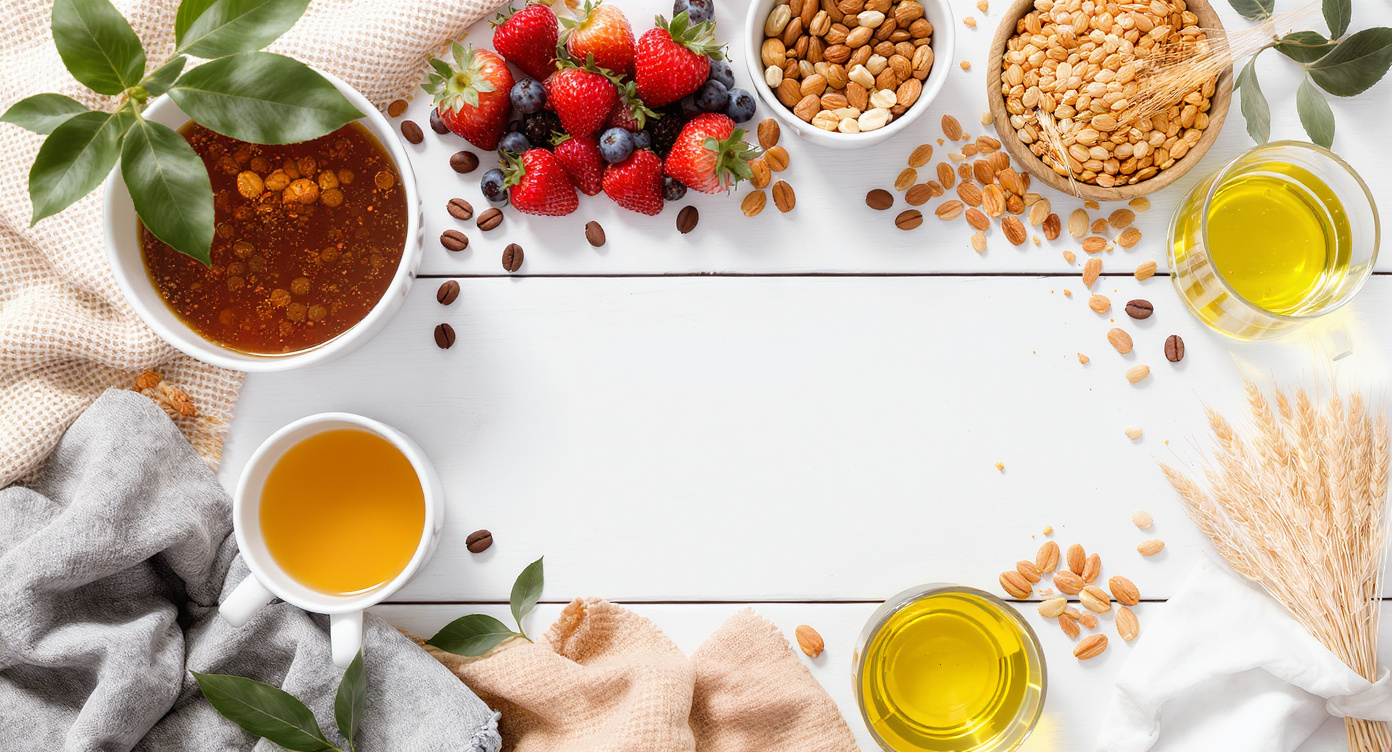
Regular consumption of foods rich in polyphenols—such as berries, tea, coffee, and nuts—has been linked to improved heart health and a slower increase in cardiovascular risk with age. New research confirms the protective properties of these plant compounds and highlights the importance of including them in your daily diet.


 Cursus