

Polyphenols in the diet slow the progression of heart disease risk
Regular consumption of foods rich in polyphenols—such as berries, tea, coffee, and nuts—has been linked to improved heart health and a slower increase in cardiovascular risk with age. New research confirms the protective properties of these plant compounds and highlights the importance of including them in your daily diet.
Salus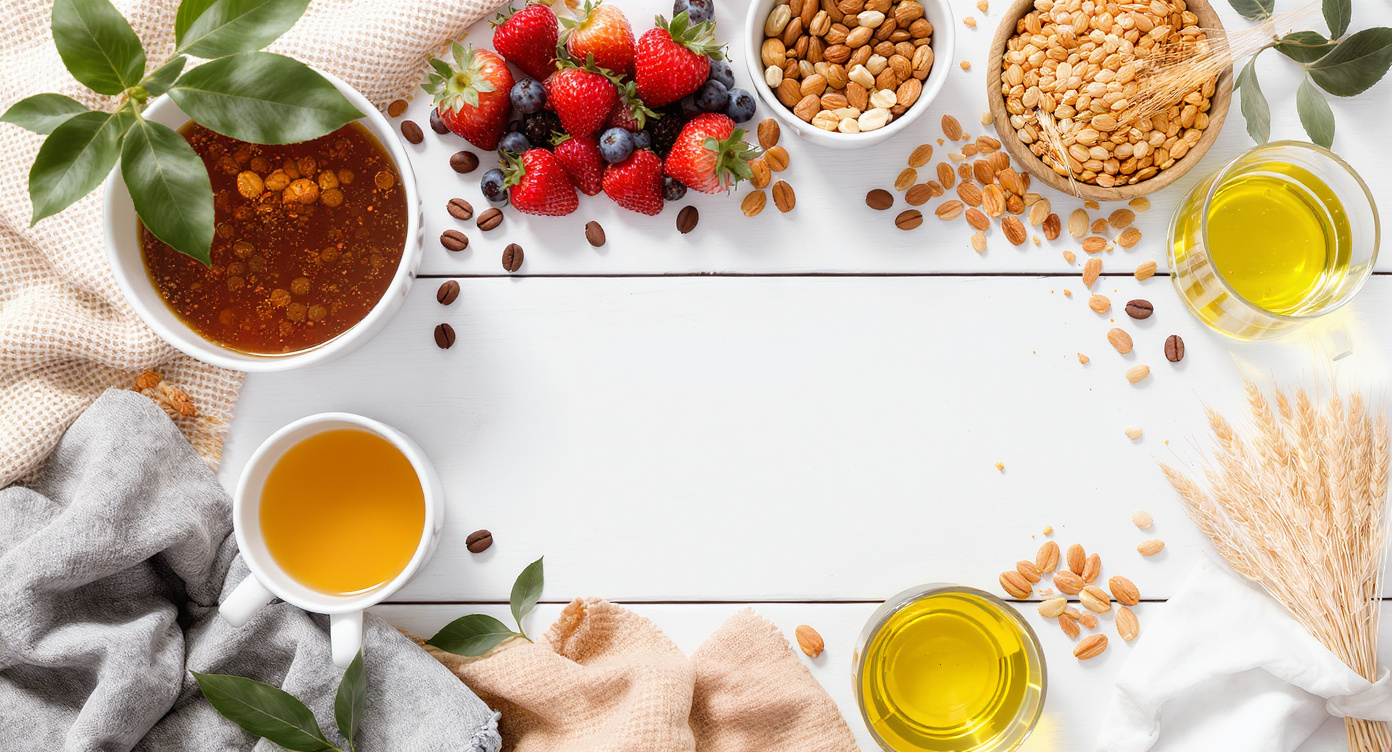
Higher consumption of foods rich in polyphenols is associated with improved cardiovascular health and a slower increase in heart disease risk as people age. Metabolite analysis has confirmed the protective properties of key plant compounds such as flavonoids and phenolic acids.
Polyphenol-Rich Foods and Heart Health
People who regularly include foods and beverages high in polyphenols—such as tea, coffee, berries, cocoa, nuts, whole grains, and olive oil—in their diet may experience better heart health over time.
Researchers from King’s College London found that individuals following a diet rich in polyphenols had a lower predicted risk of cardiovascular diseases (CVD). Polyphenols are natural plant compounds with a wide range of beneficial effects, including supporting the function of the heart, brain, and gut.
Long-Term Results from a Major UK Study
In a recently published study in BMC Medicine, more than 3,100 adults from the TwinsUK cohort were observed for over ten years. The study found that diets high in certain groups of polyphenols were linked to healthier blood pressure and cholesterol levels, which contribute to a reduced risk of CVD.
For the first time, scientists also assessed a broad spectrum of urinary metabolites produced when the body processes polyphenols. These biomarkers showed that people with higher levels of polyphenol metabolites (especially those related to flavonoids and phenolic acids) had lower cardiovascular risk and higher levels of HDL—the so-called “good” cholesterol.
A New Tool for Assessing Polyphenol Intake
To more accurately analyze dietary habits, researchers used a specially developed Polyphenol Consumption Score (PPS), which reflects the intake of 20 common polyphenol-rich foods in the UK, including tea, coffee, berries, olive oil, nuts, and whole grains. The PPS showed a stronger association with cardiovascular health than general estimates of polyphenol intake. Scientists suggest this is because the PPS reflects overall dietary patterns rather than individual compounds, highlighting the importance of analyzing the entire diet when assessing the impact of polyphenols on heart health.
Expert Opinions on Heart Benefits
Professor Ana Rodriguez-Mateos, the study’s lead author, noted: “Our results show that long-term adherence to a polyphenol-rich diet can significantly slow the increase in cardiovascular risk as we age. Even small but consistent changes toward foods like berries, tea, coffee, nuts, and whole grains can help protect the heart over time.”
Dr. Yun Li, the study’s first author, added: “This research provides compelling evidence that regularly including polyphenol-rich foods in your diet is a simple and effective way to support heart health. These plant compounds are widely available in everyday foods, making this strategy practical for most people.”
The Link Between Aging and Cardiovascular Risk
The researchers emphasized that while cardiovascular risk naturally increases with age, participants with higher polyphenol intake experienced a slower rise in risk over the 11 years of observation. They also highlighted the need for further dietary studies to confirm and expand on these findings.