A new study has shown that among elderly people with a genetic predisposition to Alzheimer's disease, a high intake of meat may be associated with a lower risk of dementia. This highlights the importance of tailoring dietary recommendations to individual genetic profiles.
An analysis of clinical studies has shown that intermittent fasting does not lead to greater weight loss in adults with excess body weight compared to traditional diets. When choosing a weight loss method, it is important to consider an individual approach.
Physical activity is beneficial for your health, but to effectively lose weight, it's important to combine exercise with proper nutrition control. The body compensates for some of the energy expended, so exercise alone is often not enough.
Regular consumption of foods rich in polyphenols—such as berries, tea, coffee, and nuts—has been linked to improved heart health and a slower increase in cardiovascular risk with age. New research confirms the protective properties of these plant compounds and highlights the importance of including them in your daily diet.
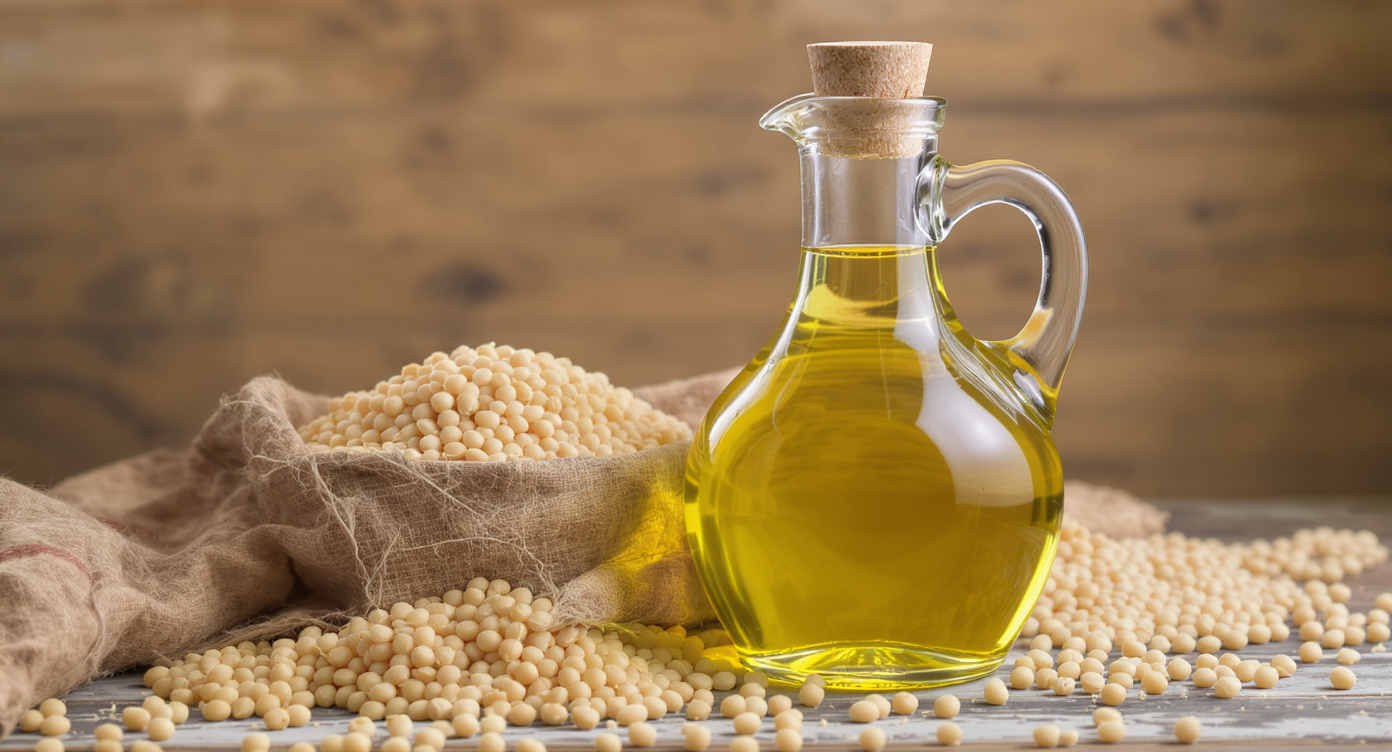
Recent studies have shown that the consumption of soybean oil may contribute to the development of obesity in mice, with genetic factors playing a key role in this process. These findings highlight the importance of a personalized approach to nutrition and the need for further research into the effects of common vegetable oils on health.
The Mediterranean and plant-based diets help reduce the risk of chronic constipation in middle-aged and older adults, regardless of the amount of fiber consumed.


 Salus
Salus