A new study has shown that high consumption of food preservatives is linked to an increased risk of hypertension and cardiovascular diseases. Experts recommend choosing unprocessed foods whenever possible.
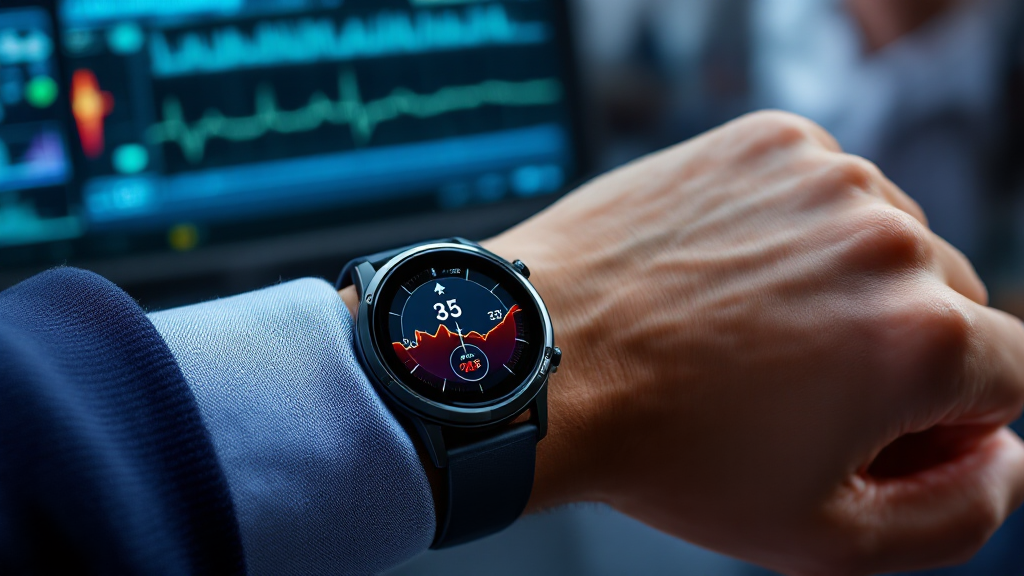
Huawei Watch D3 offers advanced vascular health monitoring by measuring arterial stiffness using ECG and optical sensors. This feature helps assess cardiovascular risk, but it does not have medical certification.
Regular consumption of whole grain products helps improve several cardiovascular risk factors, including cholesterol levels, blood pressure, and body weight. The greatest benefits are observed when consuming 4 to 6 servings per day.
Coronary calcium scanning helps to more accurately assess the risk of cardiovascular disease in people with intermediate risk, but offers only limited benefit for the general population. Routine use in patients with low or high risk is not always justified.
A new study has found a link between long-term melatonin use and an increased risk of heart failure and mortality in people with chronic insomnia. The authors emphasize that further research is needed to assess the long-term safety of this supplement.
A new study has shown that adults need three to four times more physical activity than current guidelines recommend to significantly reduce the risk of heart attack and stroke. This is especially important for people with low endurance.
A new study has shown that regularly consuming sugary drinks during childhood and adolescence is linked to a higher risk of developing hypertension in adulthood. Replacing these drinks with water, milk, or whole fruits can help reduce this risk.
Fat deposits in the abdominal area pose a greater risk to the heart and blood vessels than overall excess weight. A new study highlights the importance of measuring waist circumference for the early detection of hidden health threats.
The MOMENTUM study revealed that 27% of patients with resistant hypertension have excess cortisol levels, which is higher than previously assumed. This finding opens up new possibilities for diagnosis and alternative treatment options when standard therapy proves ineffective.
Even moderate nighttime noise from city traffic can worsen sleep quality and negatively affect vascular function in young, healthy people, increasing the risk of cardiovascular diseases.
Over the next 25 years, a significant increase in cardiovascular diseases among women is expected, largely due to rising cases of hypertension, diabetes, and obesity. These forecasts highlight the importance of prevention and the adoption of a healthy lifestyle from an early age.
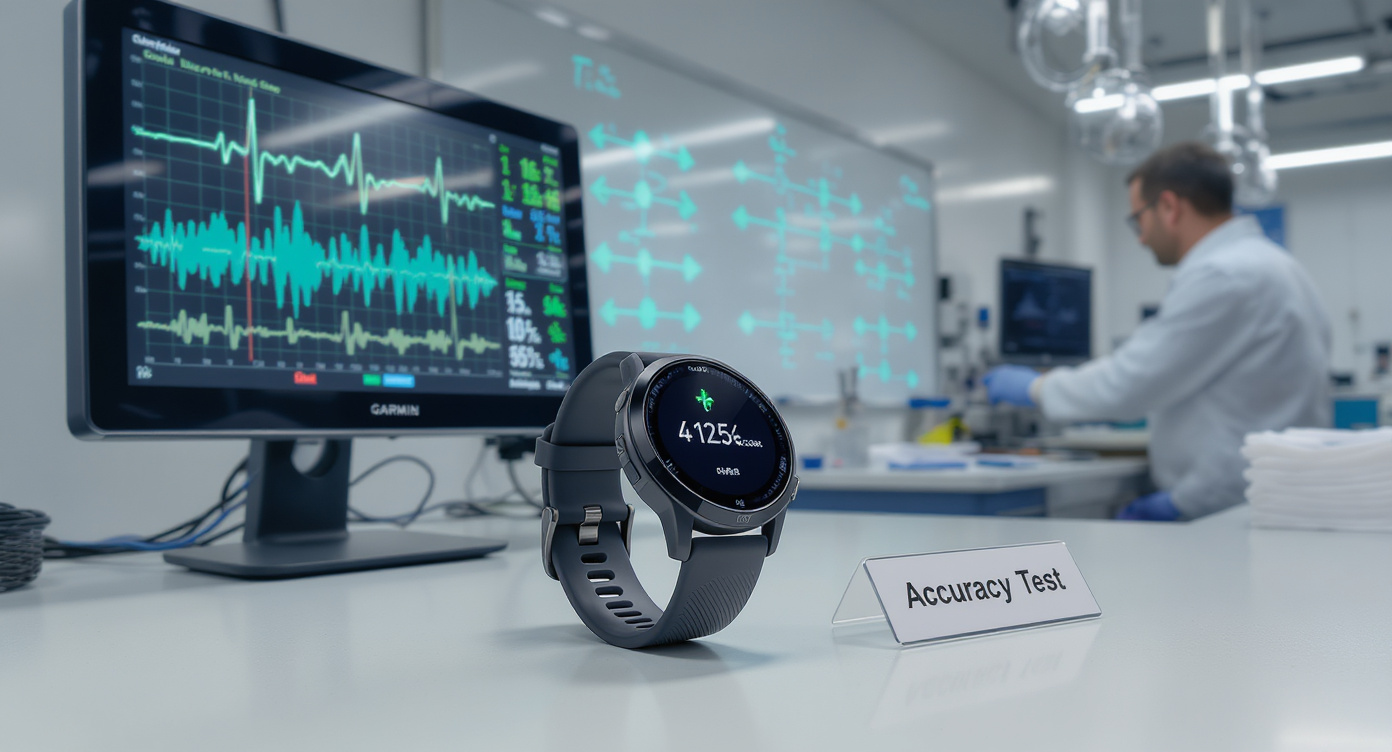
The study found that the Garmin Vivosmart 4 measures heart rate accurately, but it falls significantly short compared to medical devices when analyzing heart rate variability, especially during physical activity.
Avoiding food for at least three hours before bedtime and extending the overnight fasting period can help improve blood pressure, heart rhythm, and blood sugar control in adults at risk for cardiometabolic diseases. Research has shown that aligning meal times with natural sleep rhythms contributes to better cardiovascular health.
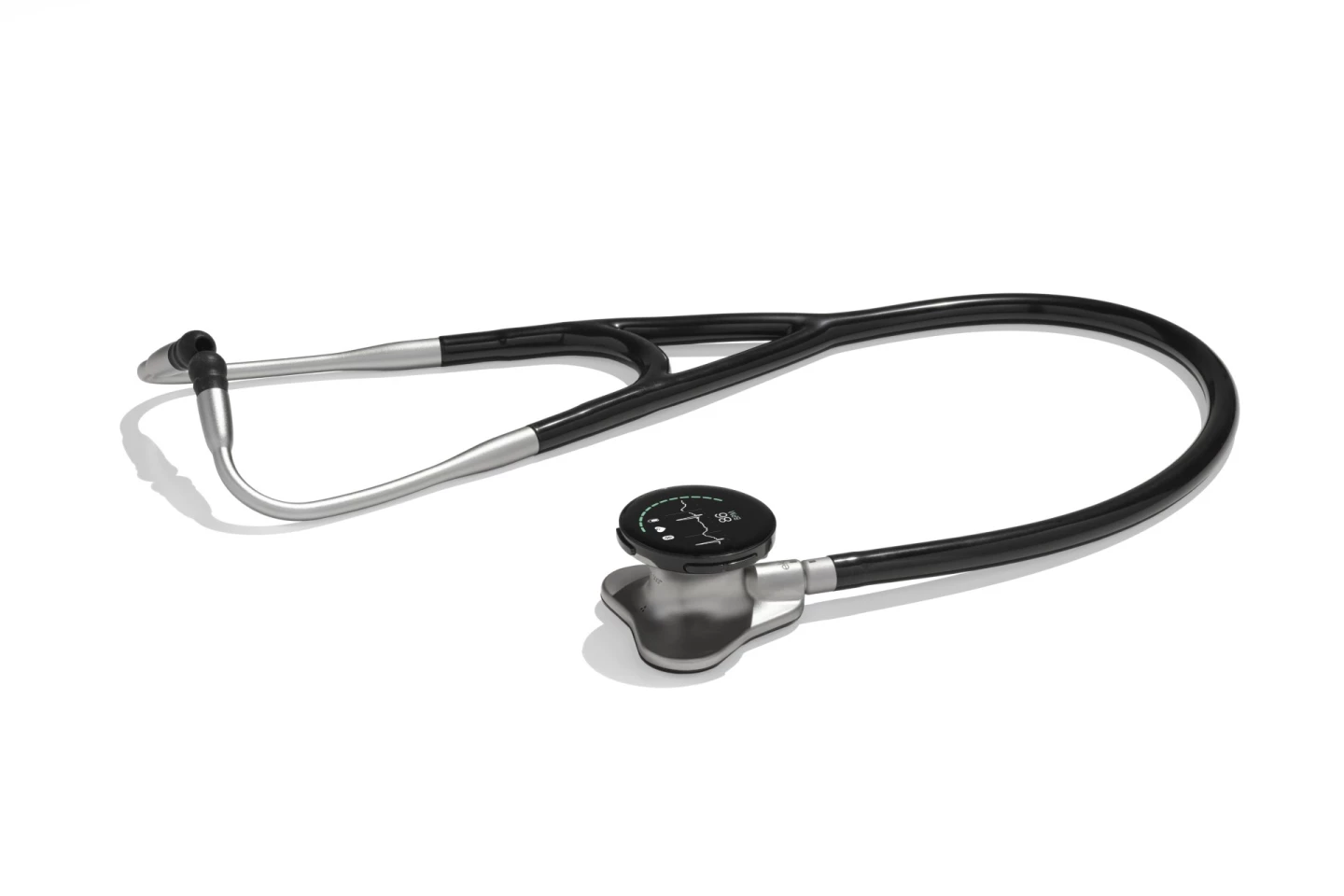
A new study has shown that an artificial intelligence-powered stethoscope can detect heart valve diseases with a sensitivity of over 92%, which is twice as high as that of a conventional device. The technology also helps increase patient engagement and requires further testing.
Reducing the salt content in staple foods can significantly lower the number of heart attacks and strokes, improving public health without requiring people to change their usual diets. Recent studies show that even small adjustments can save thousands of lives and reduce healthcare costs.


 Salus
Salus