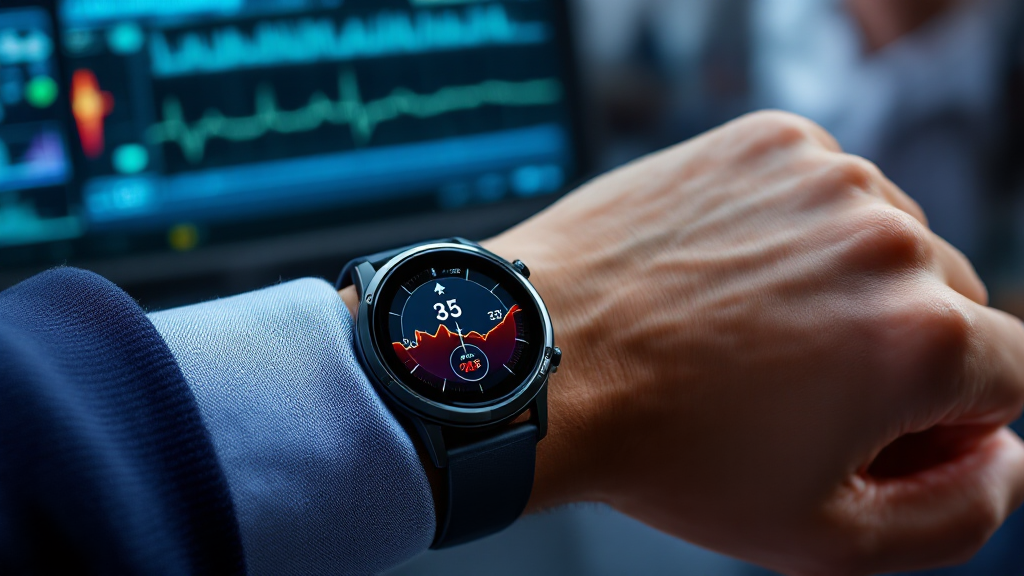
Huawei Watch D3 offers advanced vascular health monitoring by measuring arterial stiffness using ECG and optical sensors. This feature helps assess cardiovascular risk, but it does not have medical certification.
The experimental X-62A aircraft has successfully conducted autonomous air combat missions for the first time, utilizing artificial intelligence and real sensor data. During these tests, it completed 27 interceptions against a real opponent. This milestone is considered a significant achievement in the advancement of AI-powered combat systems.
Due to the crisis in the DRAM market and rising production costs, Fujifilm will increase prices on several camera models starting September 1, 2026. Similar changes may also occur with other manufacturers.
MIT researchers have developed a compact lidar chip based on silicon photonics that offers a wide field of view and low interference without any moving parts. This technology has the potential to significantly enhance sensors for autonomous vehicles and other complex applications.
Scientists have developed a method to change the magnetic polarity of materials using a focused laser without heating. This technology paves the way for the creation of adaptive electronic circuits and high-precision sensors directly on a chip.
Scientists at New York University have developed a method to control the formation of microcrystals using light, paving the way for the creation of adaptive materials with customizable properties. This new approach allows for precise regulation of crystal growth, dissolution, and structure, which holds promise for applications in photonic technologies and sensors.
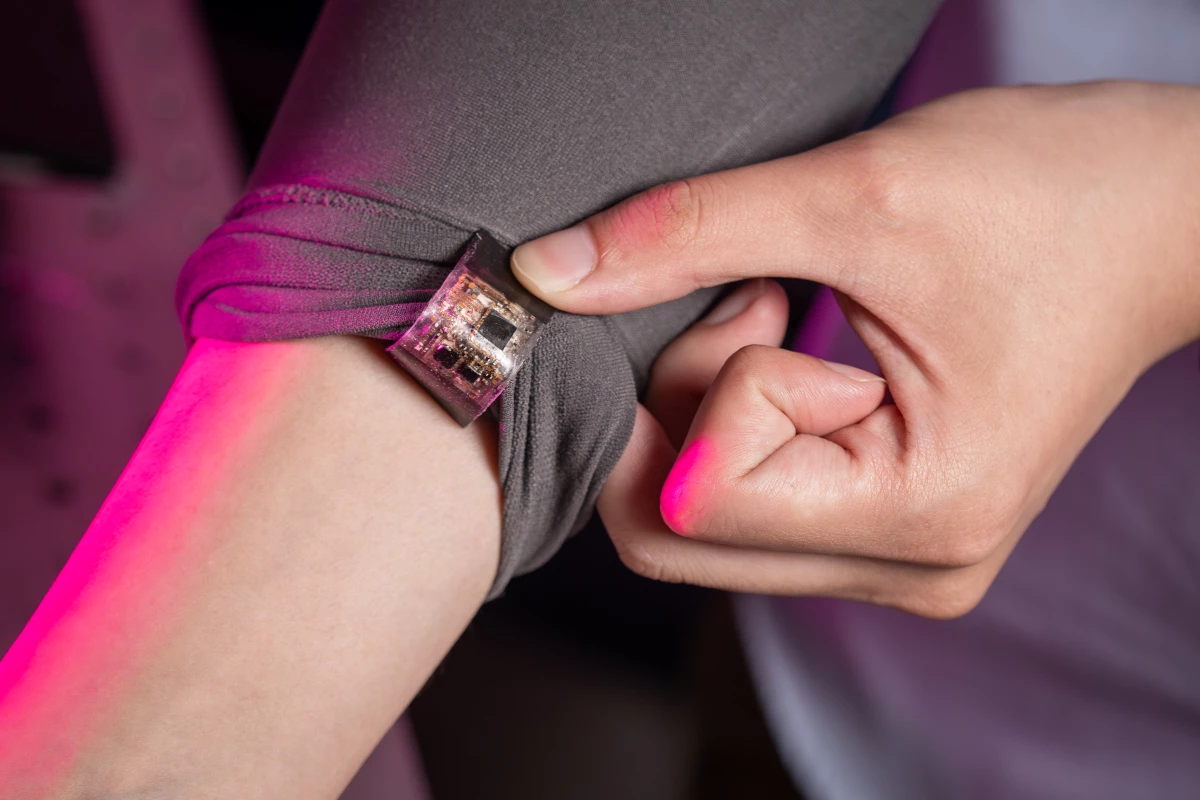
Scientists have developed an electronic skin that enables robots to instantly distinguish between a normal touch and potentially dangerous contact. This technology could improve the safety and adaptability of machines when interacting with humans.
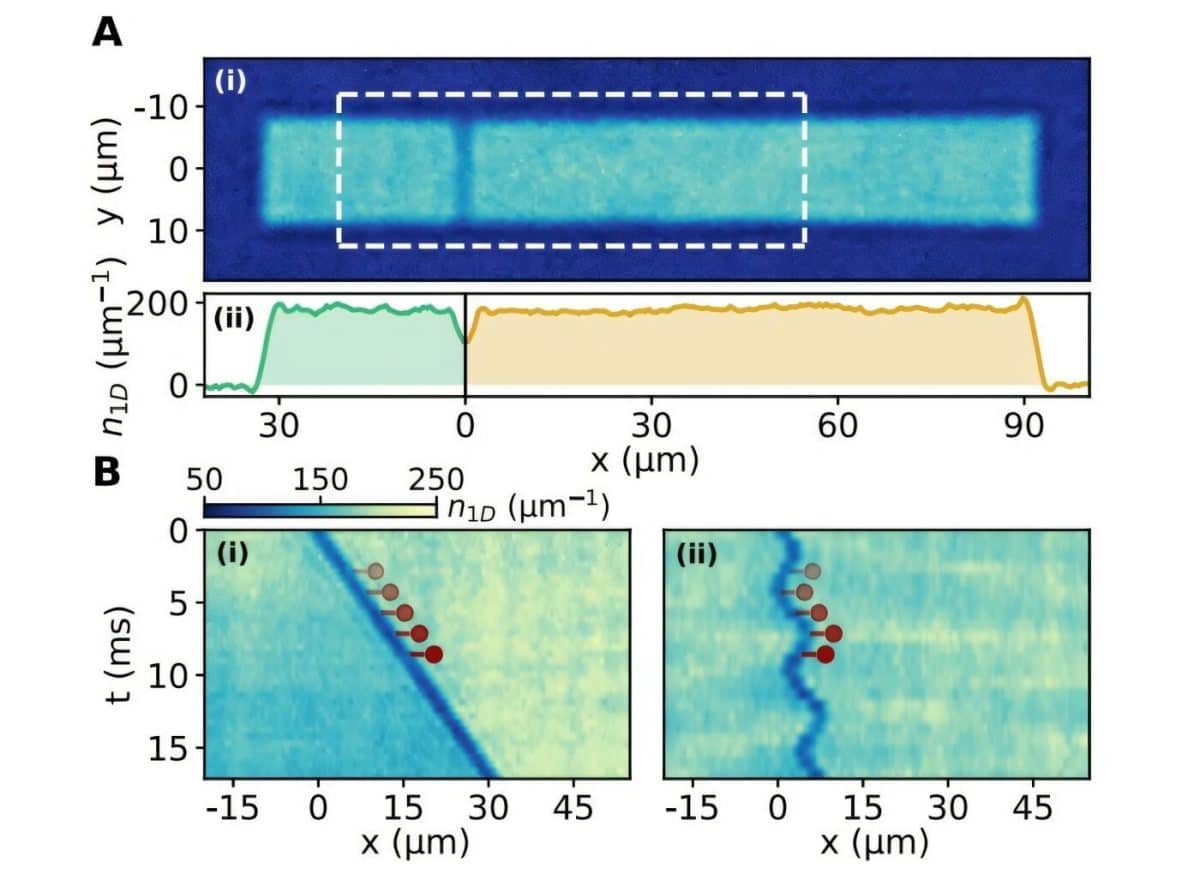
Physicists have, for the first time, observed the Shapiro step effect in a cloud of ultracold atoms—a phenomenon previously seen only in superconductors. This discovery opens up new possibilities for studying quantum phenomena and developing advanced sensors.
Researchers have developed a portable controller powered by artificial intelligence that allows users to operate robots and devices using gestures, even in environments with vibrations and interference. This technology can be applied in industry, healthcare, and everyday life, providing precise remote control without the need for manual input.
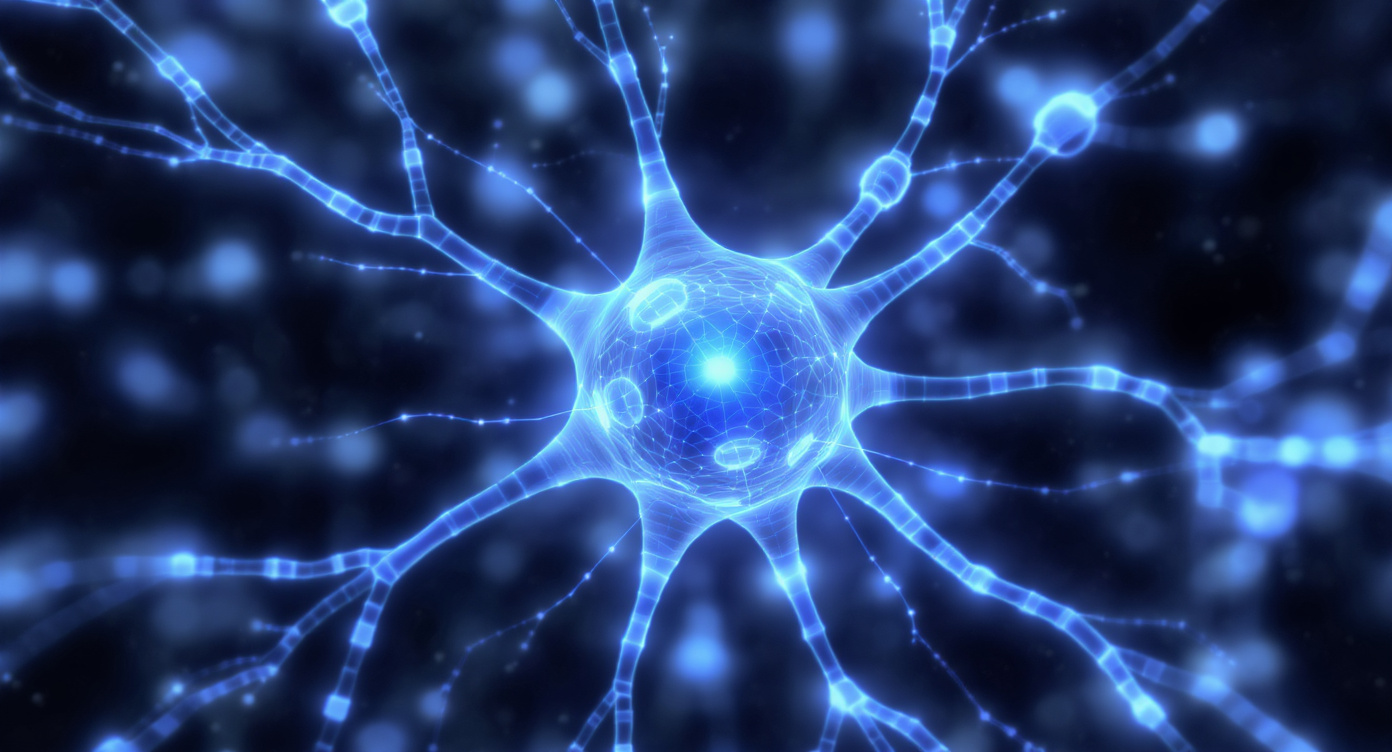
Engineers from the United States have developed an artificial neuron that operates at low voltage and closely mimics biological cells. This innovation paves the way for energy-efficient computers and new biointerfaces.

 Salus
Salus