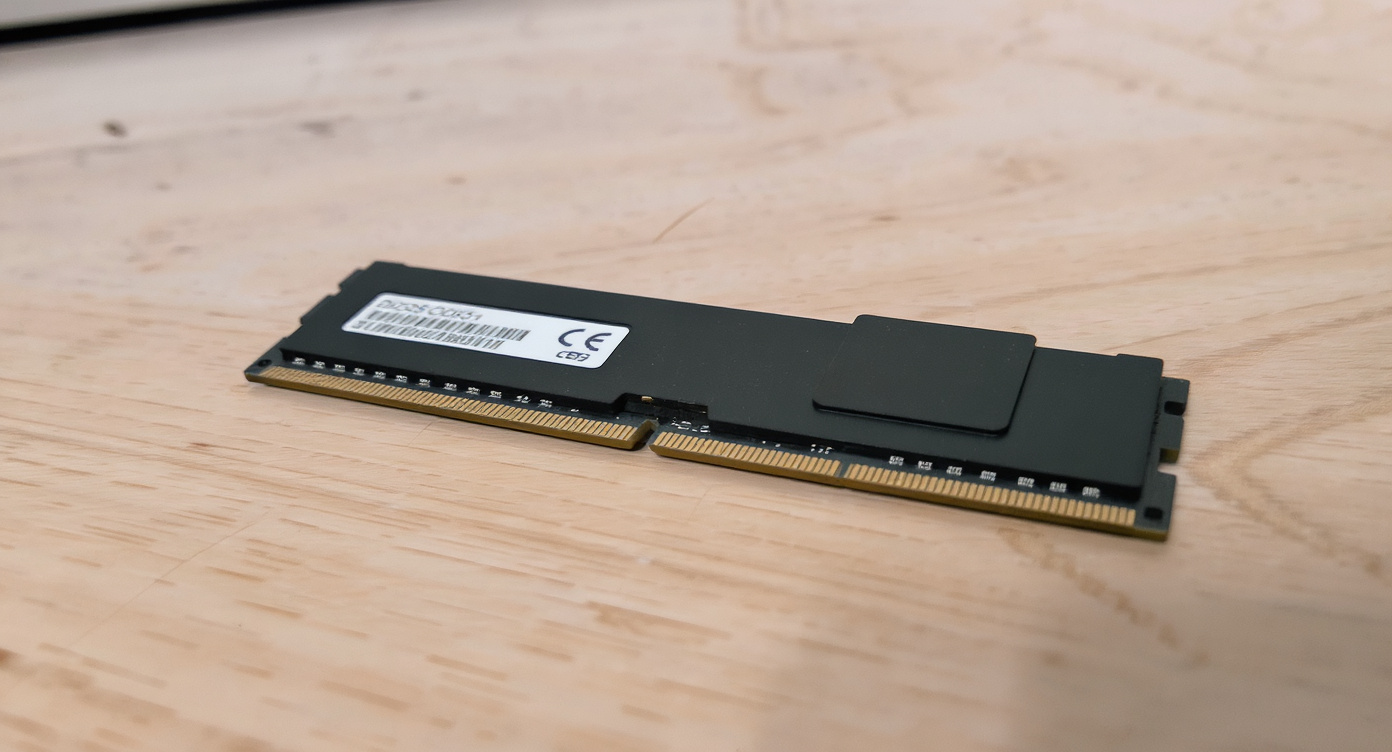
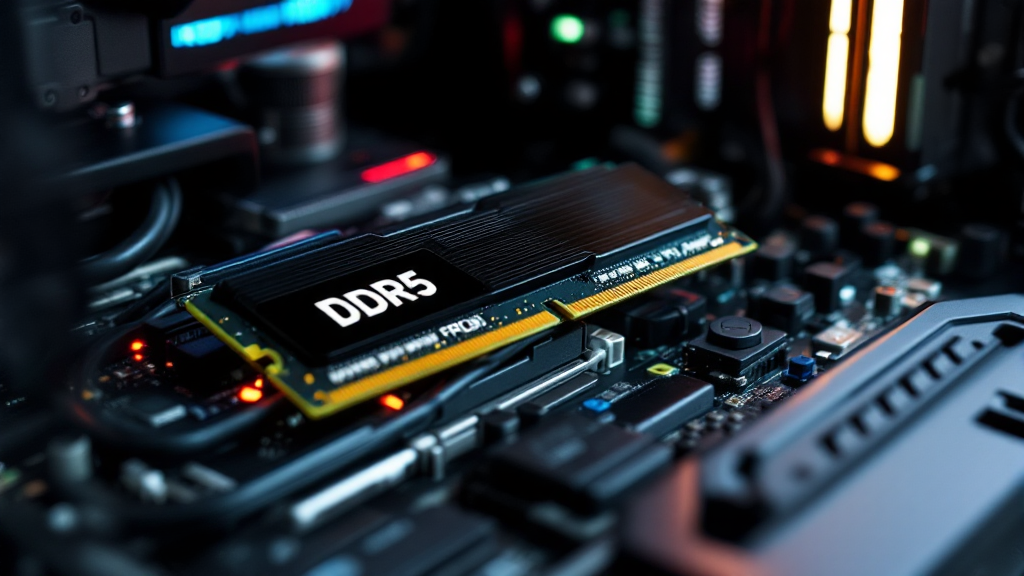
The shortage of DDR5 RAM has led to widespread use of bots that purchase memory faster than real buyers, causing prices to increase nearly fivefold over the past year. The deficit is expected to persist until 2028, impacting both the electronics market and gamers.
Due to the crisis in the DRAM market and rising production costs, Fujifilm will increase prices on several camera models starting September 1, 2026. Similar changes may also occur with other manufacturers.
The NAND flash market is gradually recovering from shortages, and by the end of 2027, it is expected to stabilize thanks to production modernization and a decline in demand for consumer electronics. DRAM prices remain volatile for now, but analysts predict they will decrease in 2028.
Despite Samsung's record profits in the memory segment, employees are demanding higher bonuses and preparing for a large-scale strike. A production halt could result in billions in losses and further worsen the global shortage of DRAM and NAND.
After a prolonged period of rising prices for RAM and storage devices, the German market has recorded the first decrease in DDR5 module prices in recent months. Experts note that it is still too early to speak of a stable downward trend, but this could be a positive sign for the industry.
In 2026, due to the crisis in the DRAM market, smartphone production may decrease by up to 15%, and device prices are expected to rise, especially for budget models. The increasing cost of memory has already driven up smartphone manufacturing expenses, and this trend is likely to continue.

 Crius
Crius