Google plans to completely move the production of its Pixel smartphones, as well as its watches and earbuds, from China to Vietnam and India by 2027 amid ongoing trade tensions between the US and China. The company expects Pixel shipments to grow by 8–10% this year, despite rising component costs.
The Xiaomi 18 series is expected to include four models, one of which will be a foldable smartphone. The focus will be on a global launch and introducing new features such as a secondary display and cameras with up to 200 MP resolution. The lineup will also adopt an updated global market strategy and improved technical specifications.
Nothing and OnePlus are reducing their presence in global markets due to rising memory prices and declining sales, especially outside of India. Nothing plans to exit several markets and cut staff, while CMF is suspending the release of new smartphones.
The 16:10 screen format is gaining popularity in the smartphone market and may soon replace the traditional elongated displays. Manufacturers are considering implementing this aspect ratio not only in foldable devices but also in classic models. However, mass production has not yet begun.
This fall, fierce competition is expected among the new flagship models from Xiaomi, Vivo, and Oppo, thanks to their innovative cameras developed in partnership with Leica, Zeiss, and Hasselblad. Special attention is being paid to the details of the Oppo Find X10 Pro Max camera and the introduction of LOFIC technology in next-generation devices.
The NAND flash market is gradually recovering from shortages, and by the end of 2027, it is expected to stabilize thanks to production modernization and a decline in demand for consumer electronics. DRAM prices remain volatile for now, but analysts predict they will decrease in 2028.
Vivo has announced major camera updates for its flagship smartphones in the X200, X300, and X Fold series, introducing new features and styles, as well as support for 4K Ultra HD Live. These innovations will become available this summer.
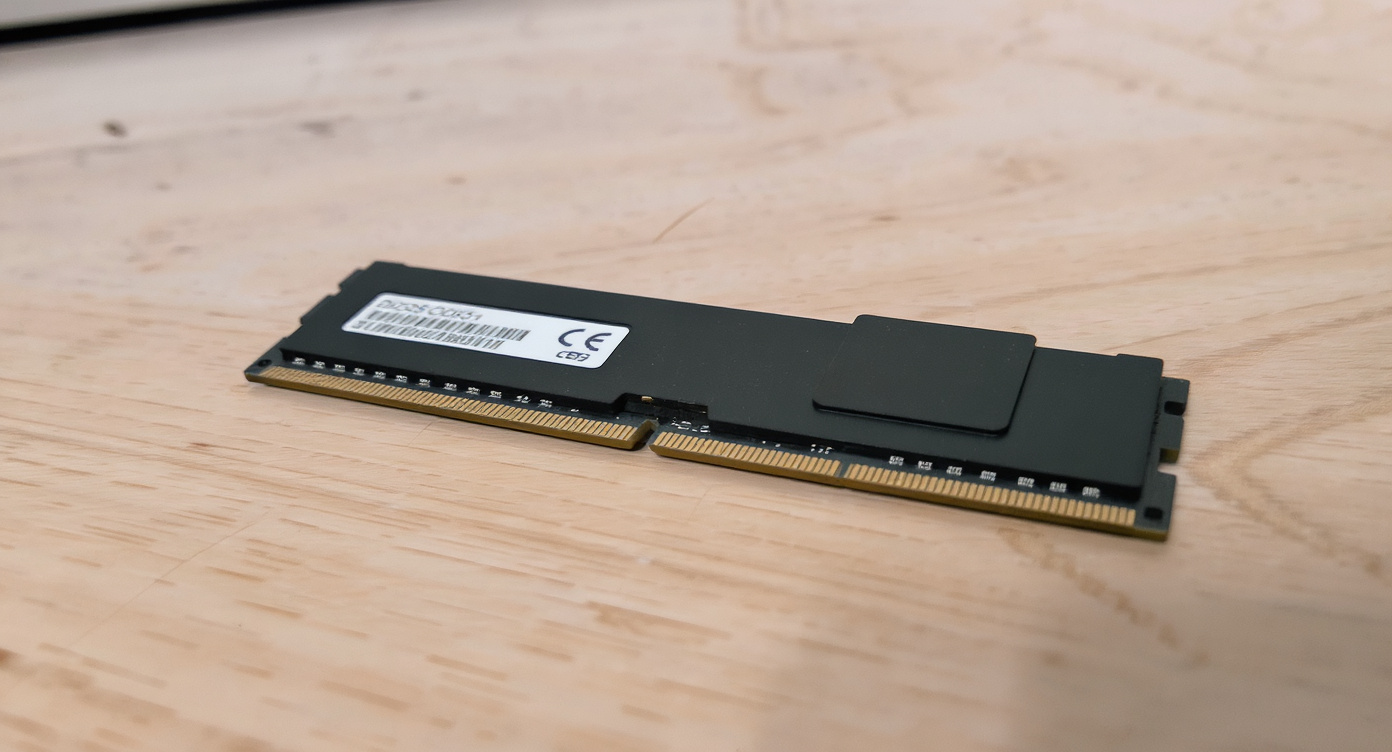
After a prolonged period of rising prices for RAM and storage devices, the German market has recorded the first decrease in DDR5 module prices in recent months. Experts note that it is still too early to speak of a stable downward trend, but this could be a positive sign for the industry.
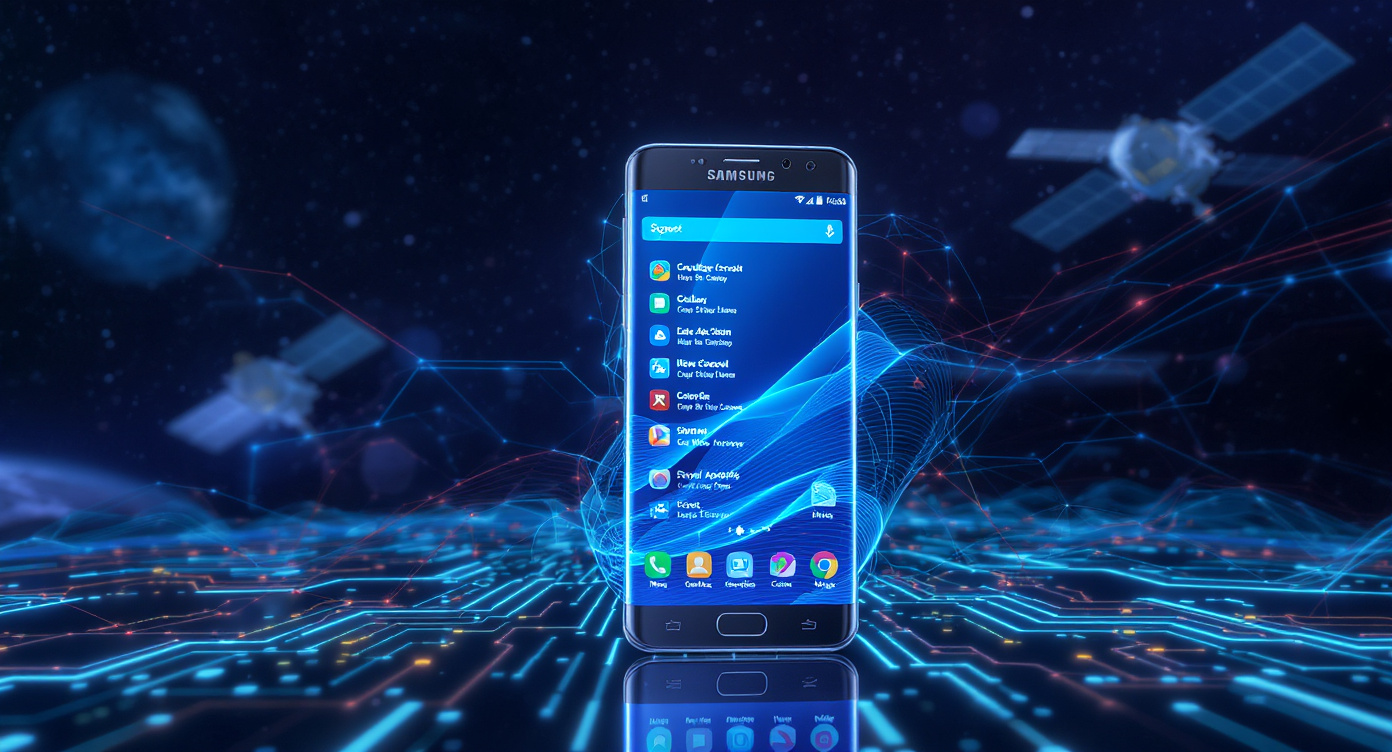
Samsung has confirmed that certain apps on supported Galaxy smartphones, including WhatsApp and X, can now operate via satellite connection even without a mobile network. The availability of this feature depends on the region, and the list of compatible apps can be found in the device settings.
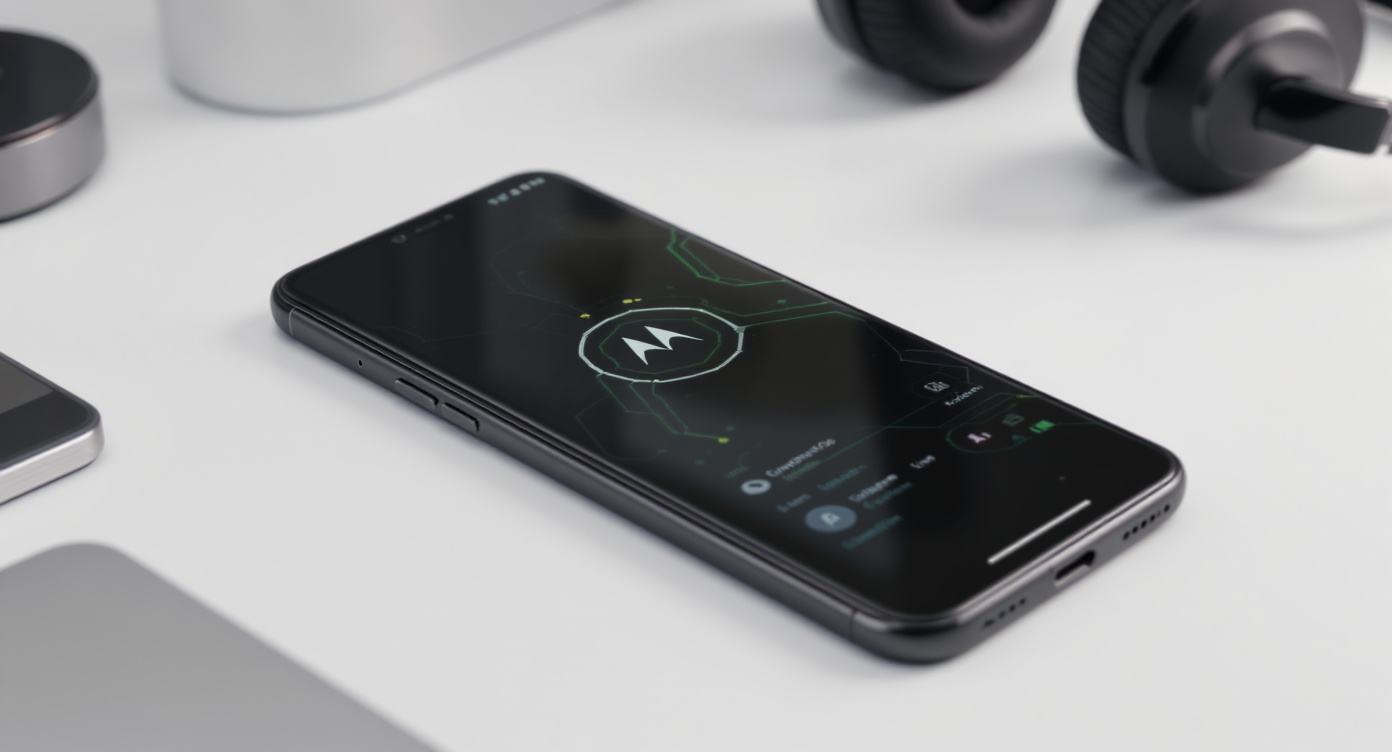
Motorola will begin offering smartphones with the GrapheneOS operating system pre-installed, which is designed with enhanced data protection and privacy in mind. This move is likely to appeal especially to users who prioritize security.
In 2026, due to the crisis in the DRAM market, smartphone production may decrease by up to 15%, and device prices are expected to rise, especially for budget models. The increasing cost of memory has already driven up smartphone manufacturing expenses, and this trend is likely to continue.
A new study has shown that synchronization of the menstrual cycle with the phases of the Moon existed in the past, but has almost disappeared since 2010, likely due to the influence of artificial lighting and modern technology.

 Opus
Opus