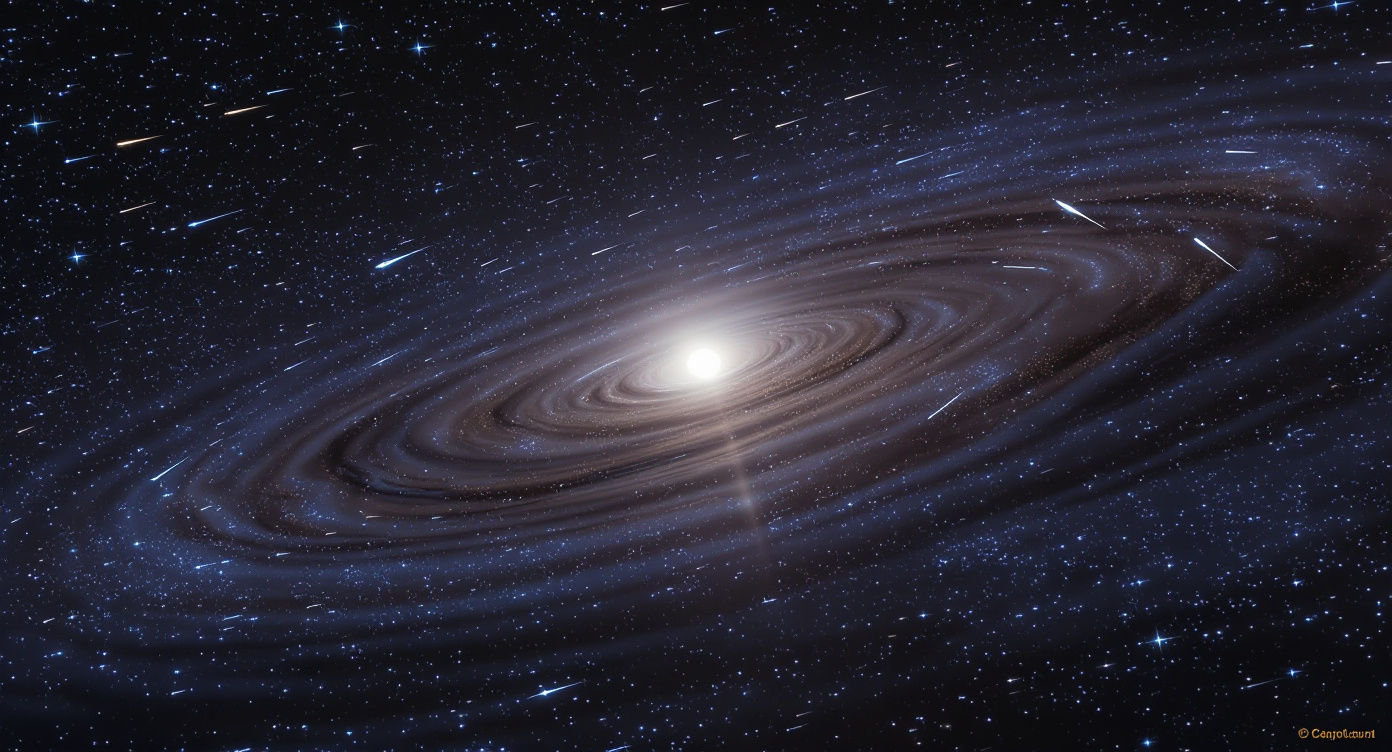
Astronomers have discovered a unique object, S301, moving along an elongated orbit around the supermassive black hole at the center of the Milky Way. Its distinctive features may help scientists measure the rotation of the black hole Sagittarius A* for the first time.
For the first time, wave interference has been observed in positronium—an atom composed of matter and antimatter—confirming its quantum nature. This discovery opens new possibilities for studying antimatter and its interactions with gravity.
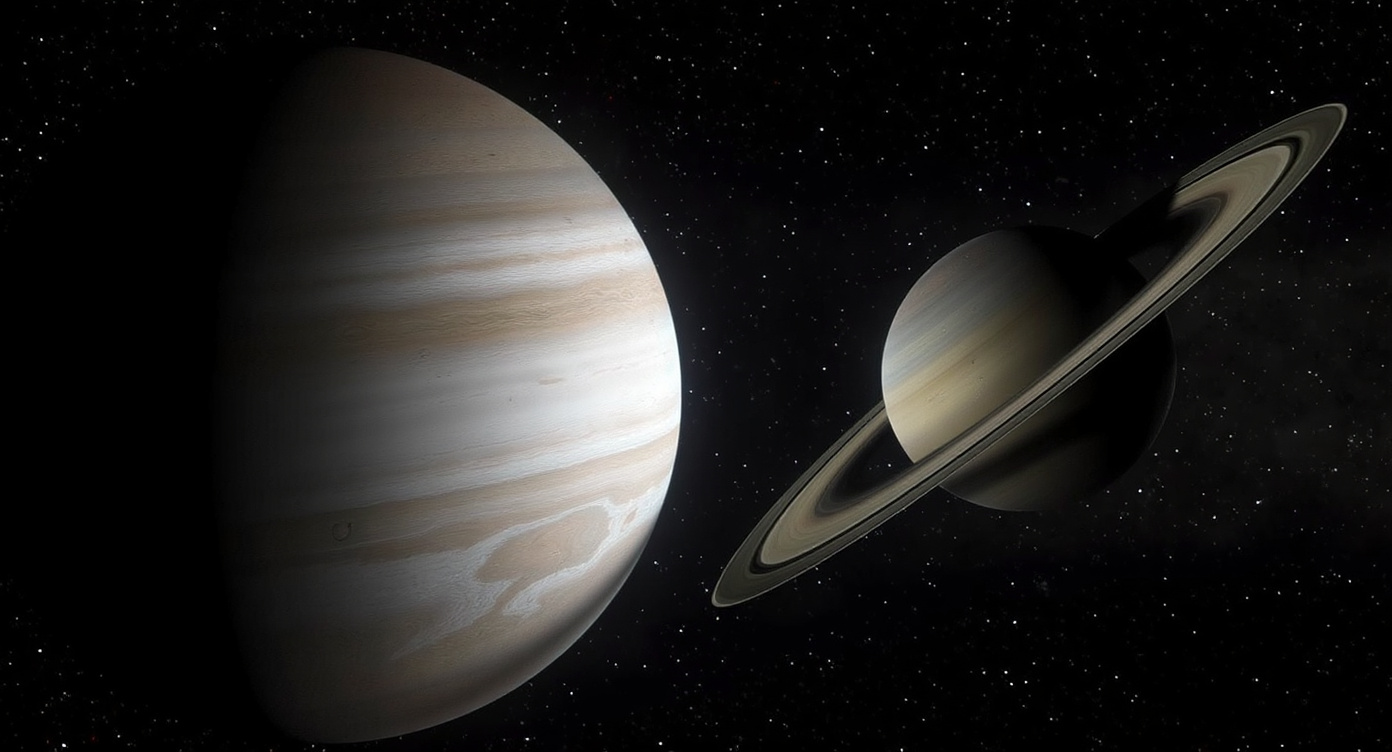
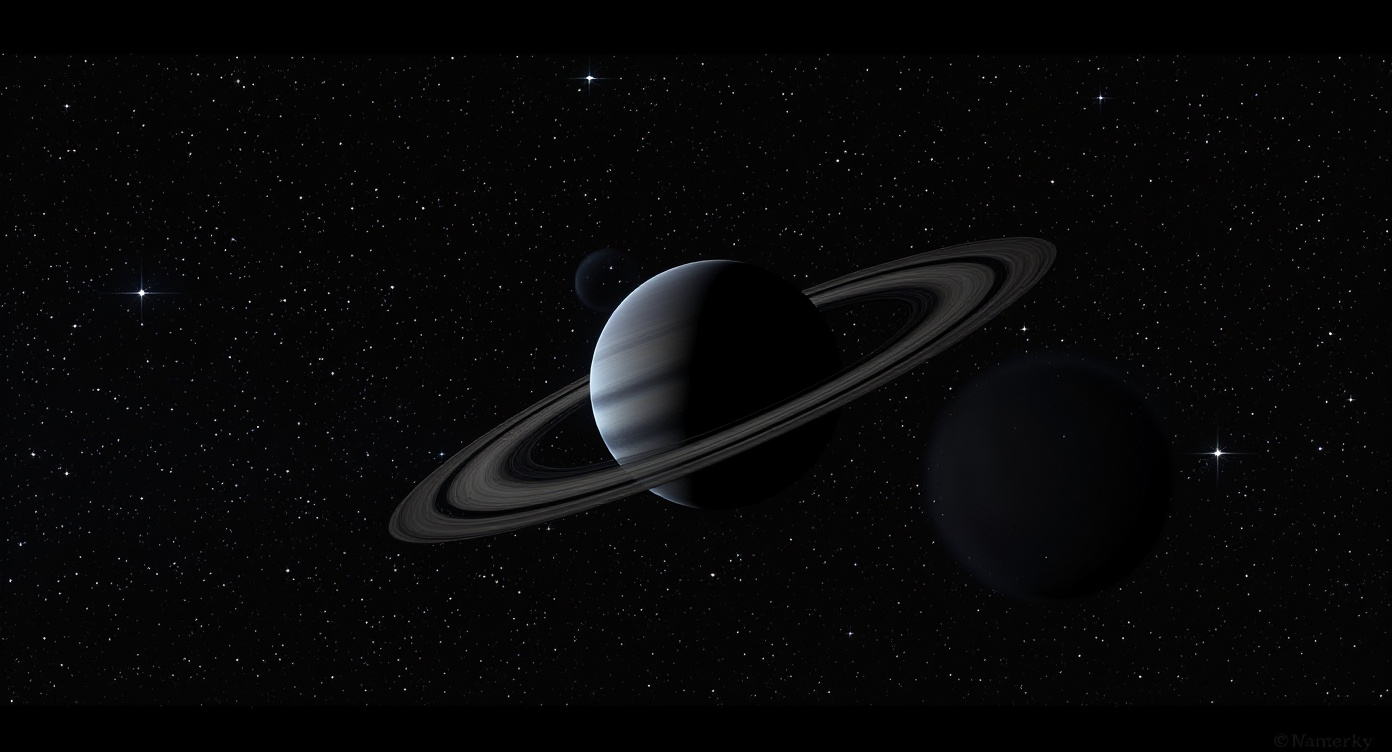
Astronomers have discovered new small moons orbiting Jupiter and Saturn using powerful telescopes. There are now 101 known moons around Jupiter and 285 around Saturn, and more discoveries are expected in the coming years.
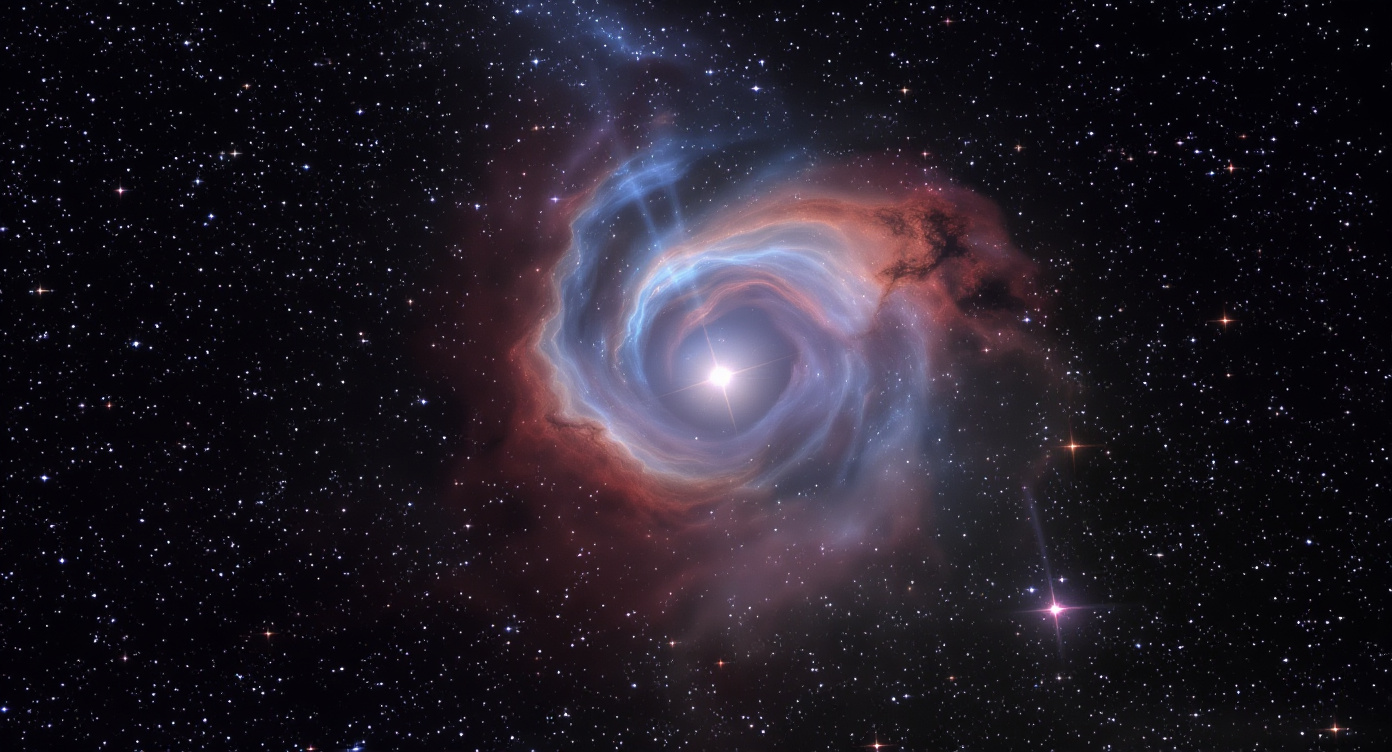
The Hubble Telescope has captured the most detailed image yet of the Egg Nebula—the closest and youngest known nebula of its kind. This photograph will help astronomers gain a deeper understanding of the processes involved in the formation of such nebulae.
A new study has revealed that Jupiter played a crucial role in the formation of planets and meteorites, protecting the inner planets from destruction and contributing to the emergence of a second generation of meteorites.
Scientists have discovered a hidden geometry that distorts the paths of electrons in quantum materials, opening up new possibilities for the development of quantum electronics and the study of superconductivity.
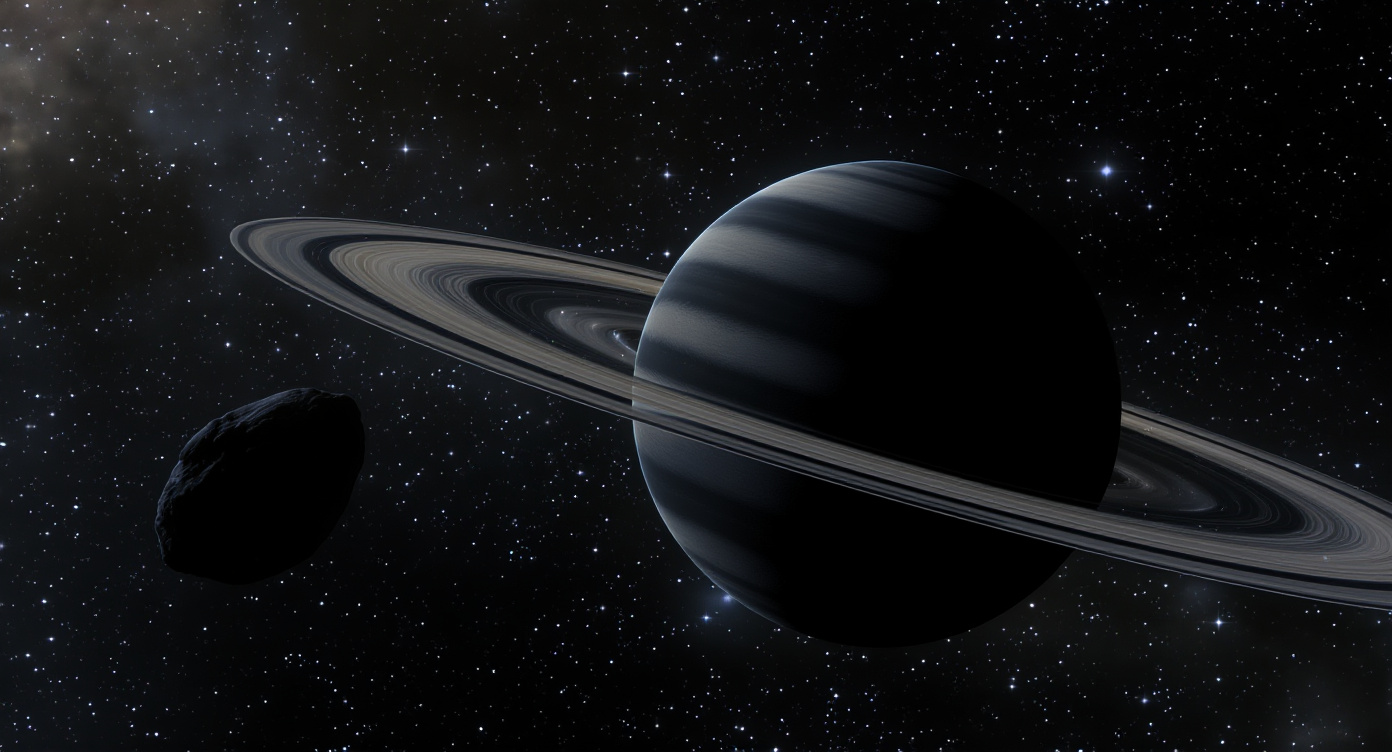
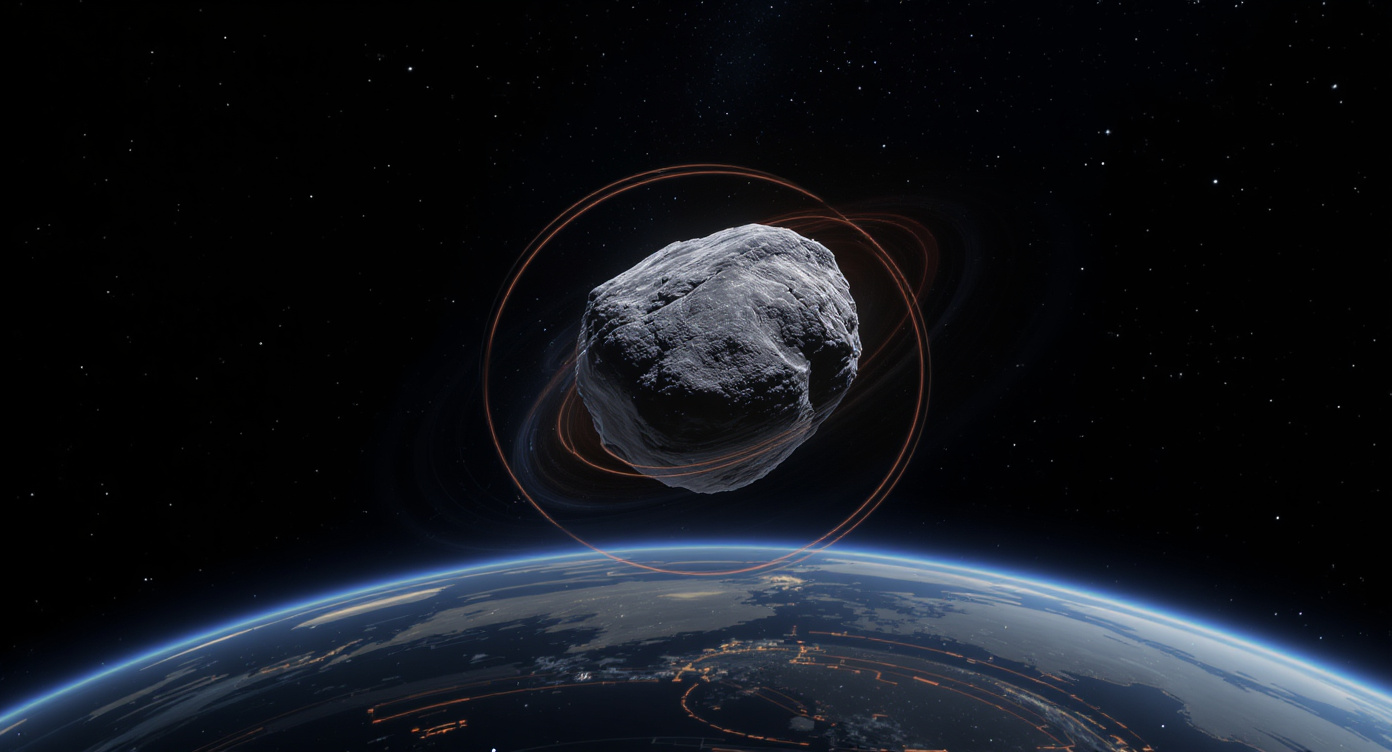
Astronomers have proposed a new hypothesis to explain the stability of rings around dwarf planets and asteroids: their unusual shapes and uneven gravitational fields help these rings persist longer than usual.
Astronomers are observing the GD 362 system, where, after the death of a star, a disk of debris from destroyed planets has formed around a white dwarf. This is a vivid example of what could one day happen to our own Solar System.
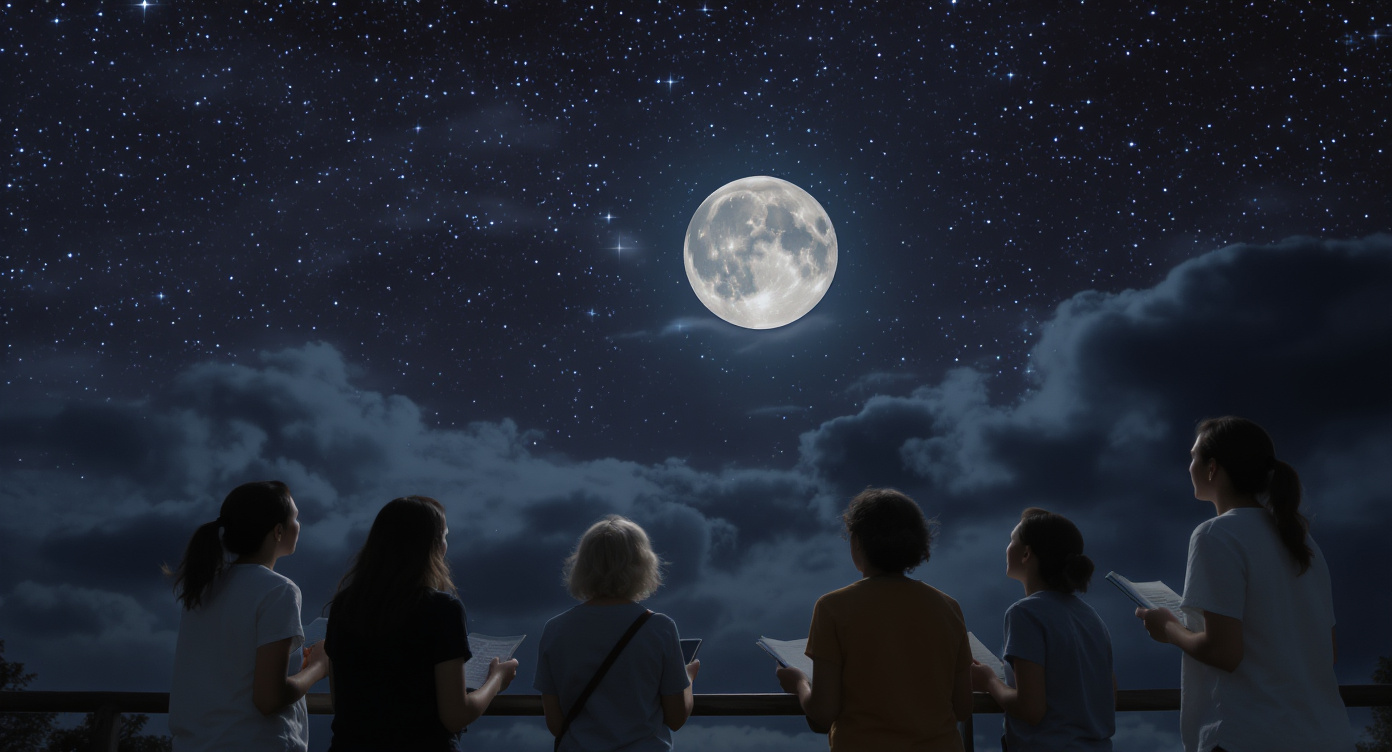
A new study has shown that synchronization of the menstrual cycle with the phases of the Moon existed in the past, but has almost disappeared since 2010, likely due to the influence of artificial lighting and modern technology.
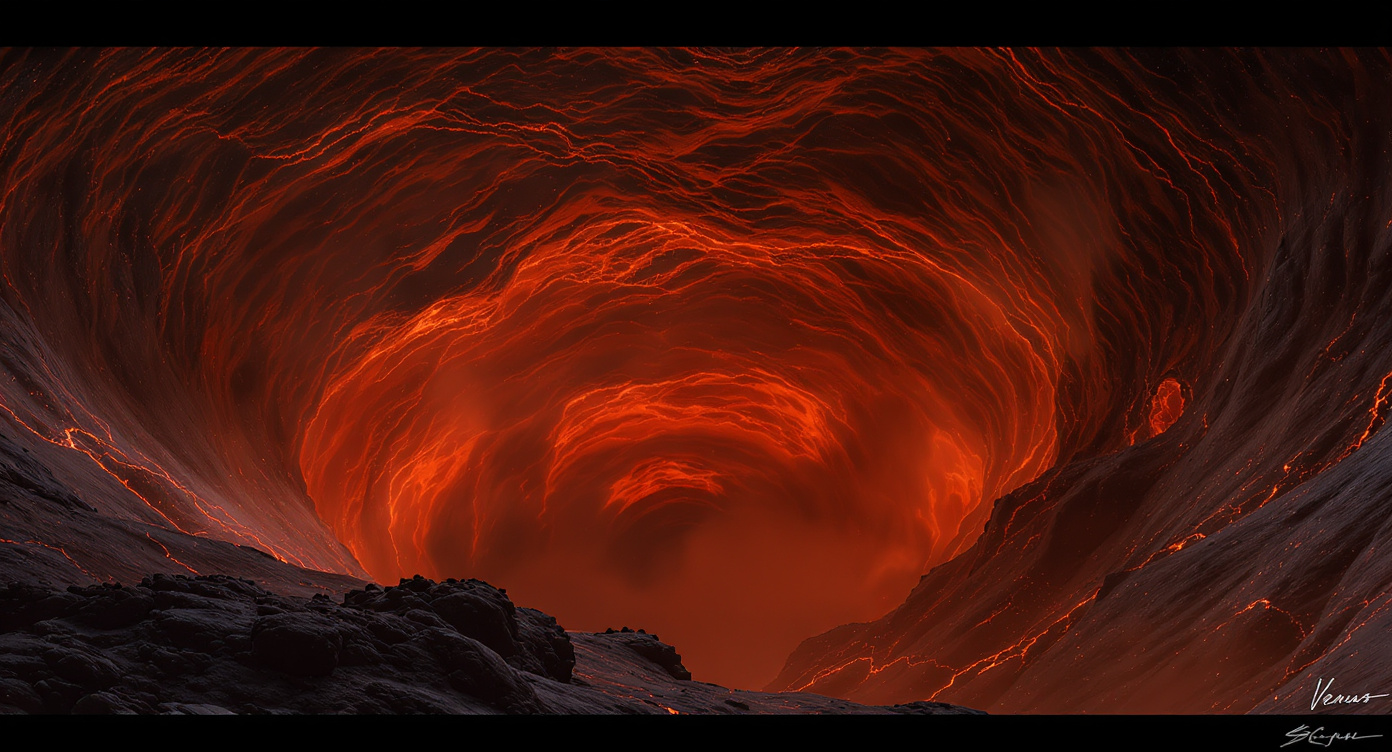
An international team of scientists has, for the first time, confirmed the existence of massive lava tunnels beneath the surface of Venus, comparable in size to those found on the Moon. This discovery reshapes our understanding of the planet's geology and is significant for future research.
Astronomers have observed an unusual eclipse involving the dwarf planet Quaoar, the cause of which remains unexplained. Possible explanations include the presence of a new moon or a dense ring, both of which have sparked significant interest among scientists.
Astronomers using the James Webb Telescope have ruled out the presence of a dense hydrogen atmosphere on the exoplanet TRAPPIST-1 e, but the question of a secondary atmosphere remains unresolved. If such an atmosphere exists, liquid water could potentially be present on the planet's surface.
A new study has shown that, to effectively deflect dangerous asteroids, it is crucial to precisely choose the impact site. This helps prevent the asteroid from returning to a hazardous orbit and ensures the long-term protection of Earth.

 Cursus