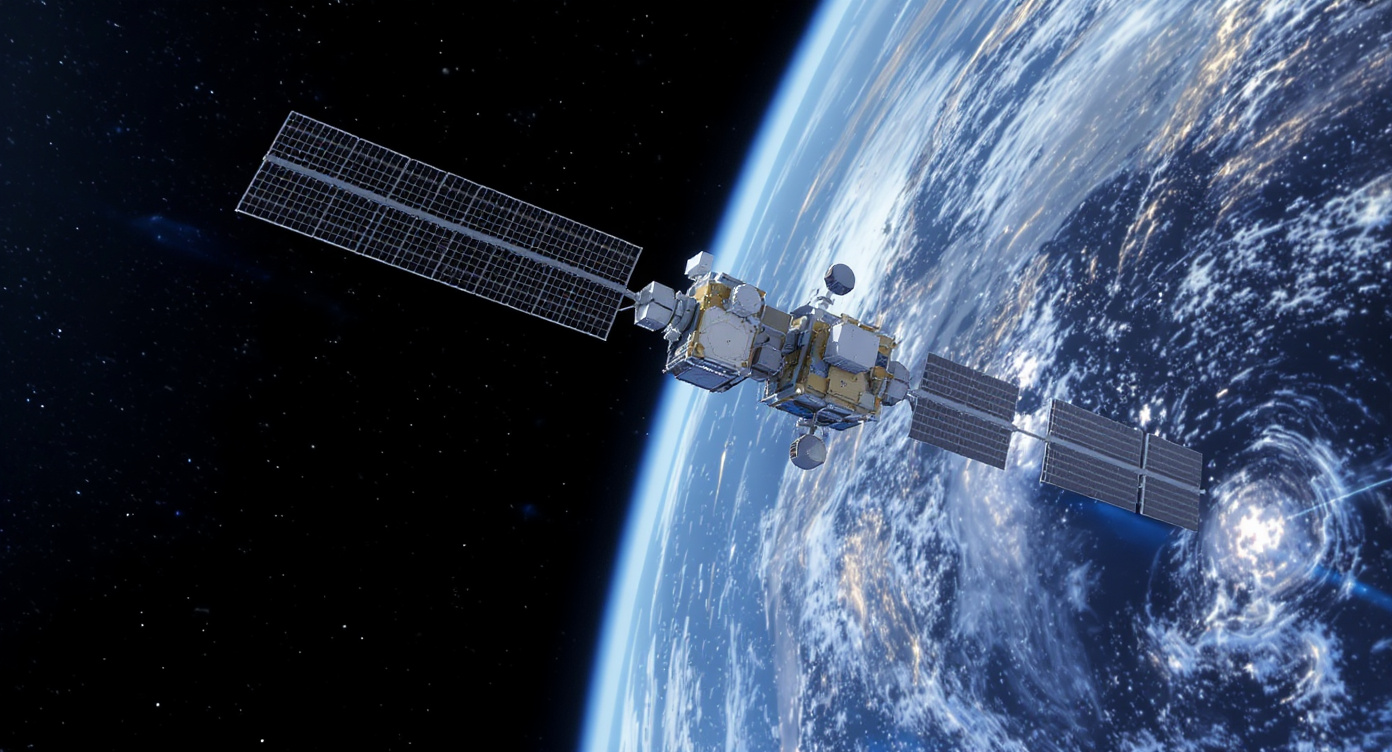
The U.S. Federal Communications Commission has updated its rules for the use of satellite spectrum to increase speeds, reduce costs, and improve the reliability of satellite internet. These changes take into account modern technologies and could boost the capacity of satellite networks by up to seven times.
A NASA satellite has captured a vivid aurora over the Danish Strait and eastern regions of Canada, triggered by a mild geomagnetic storm. The new mission will help scientists gain deeper insights into such phenomena.
Chinese researchers have doubled the data transmission speed of laser communication between a satellite and Earth to 120 Gbit/s, setting a national record without upgrading the hardware—achieving this solely through software updates.
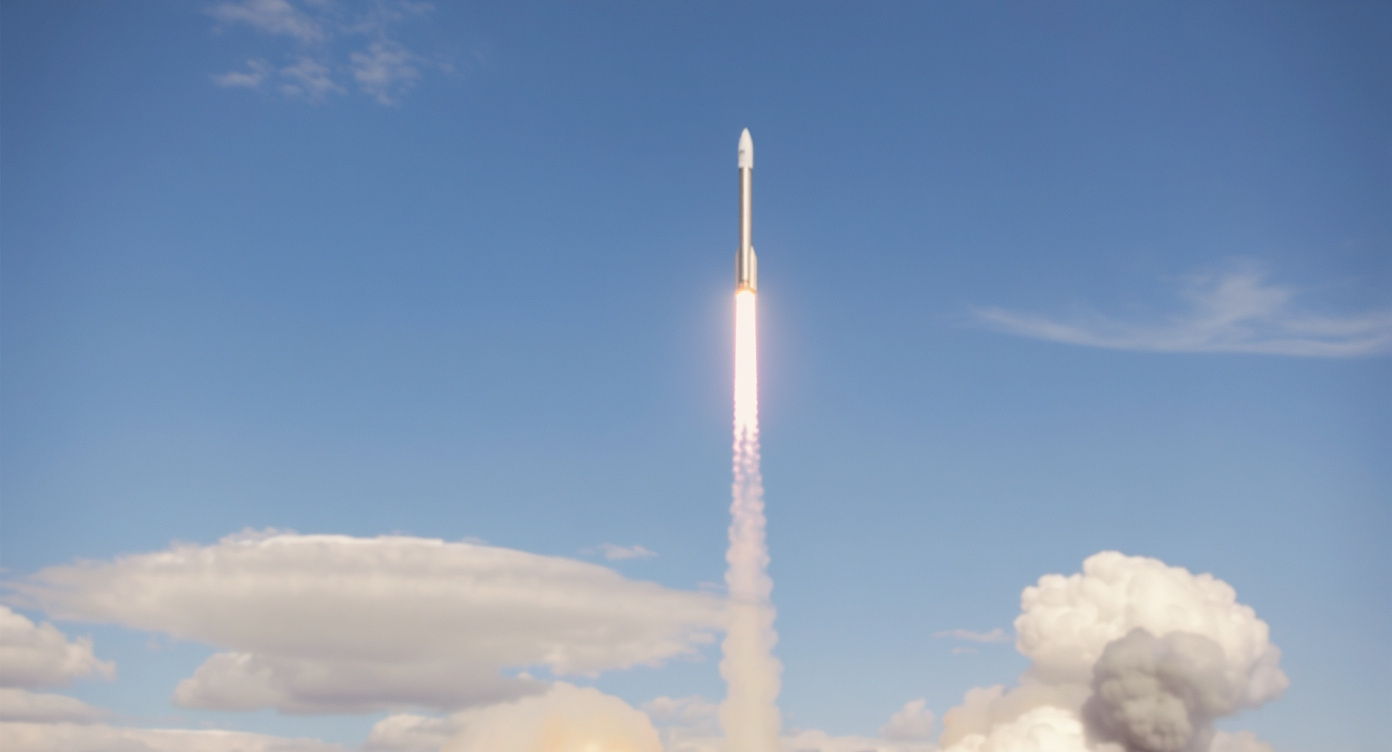
The Chinese Smart Dragon-3 rocket has successfully placed seven satellites into orbit, including Pakistan's PRSC-EO2. This achievement marks an important milestone in the development of space cooperation between the two countries. The new satellite will enhance Pakistan's capabilities in Earth observation and natural resource monitoring.
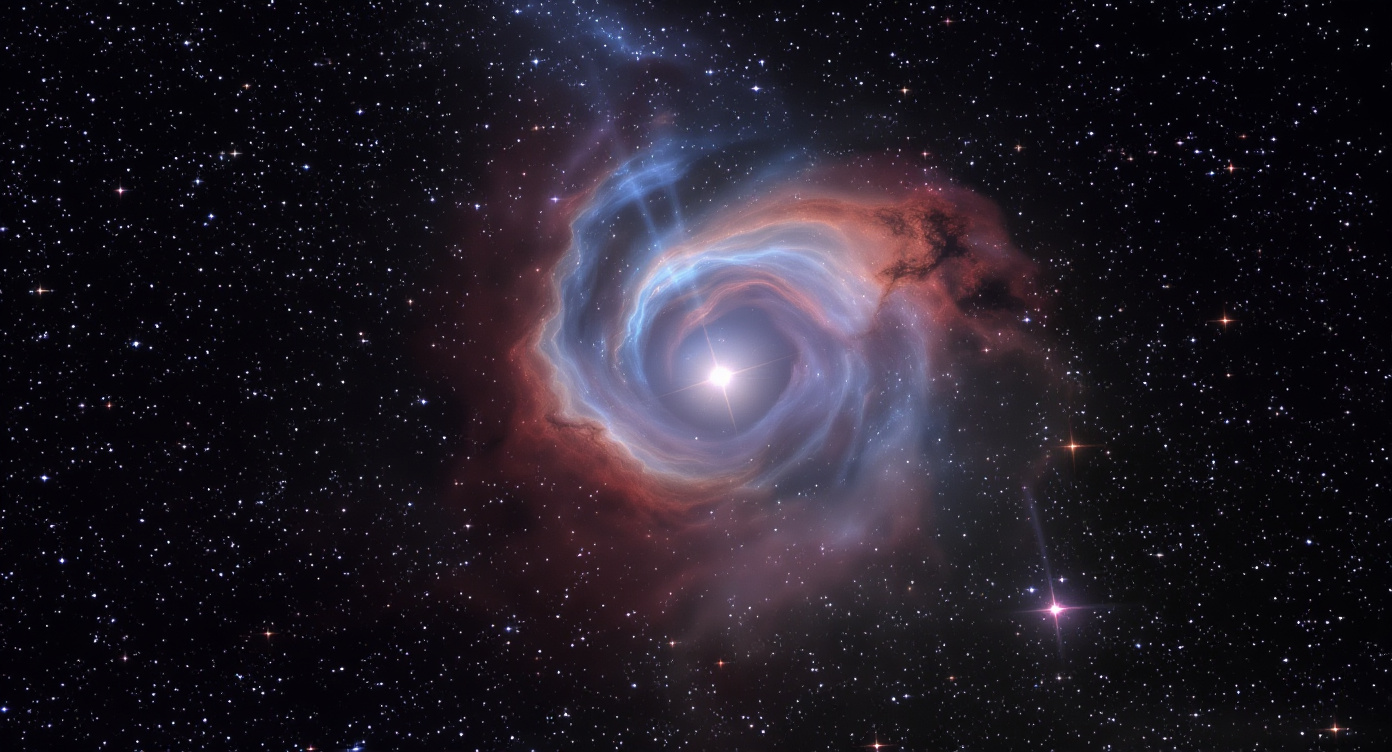
The Hubble Telescope has captured the most detailed image yet of the Egg Nebula—the closest and youngest known nebula of its kind. This photograph will help astronomers gain a deeper understanding of the processes involved in the formation of such nebulae.
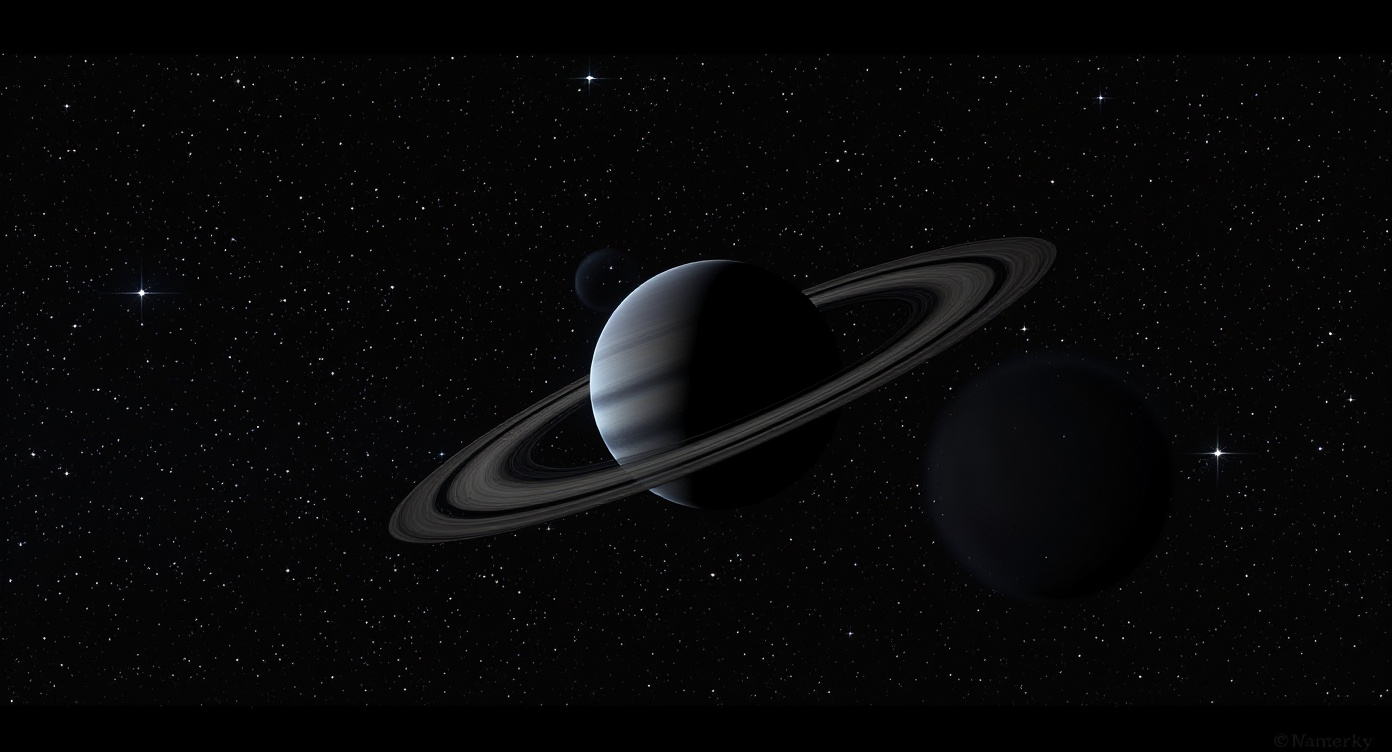
Astronomers have observed an unusual eclipse involving the dwarf planet Quaoar, the cause of which remains unexplained. Possible explanations include the presence of a new moon or a dense ring, both of which have sparked significant interest among scientists.

 Signum