

Hubble has captured the clearest photo yet of the Egg Nebula.
The Hubble Telescope has captured the most detailed image yet of the Egg Nebula—the closest and youngest known nebula of its kind. This photograph will help astronomers gain a deeper understanding of the processes involved in the formation of such nebulae.
Cursus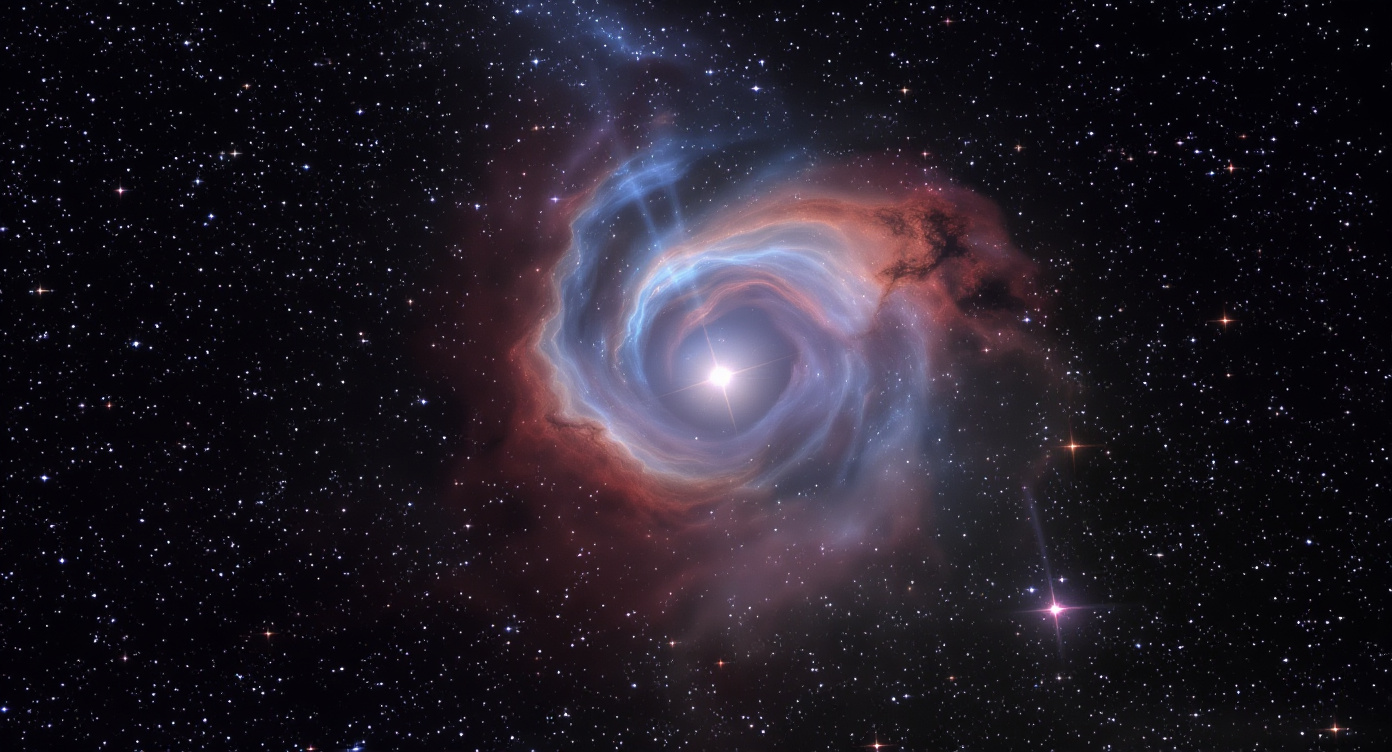
By combining several images, the Hubble telescope has produced the most detailed image to date of the Egg Nebula, located about 1,000 light-years from Earth. This achievement will help astronomers gain a deeper understanding of similar cosmic structures.
Hubble's Contribution
Since its launch in 1990, Hubble has enabled scientists to uncover many mysteries of the universe. Although the James Webb Space Telescope is considered more advanced, Hubble remains a valuable tool for research. Recently, it provided the clearest image yet of the Egg Nebula available today.
Features of the Egg Nebula
The Egg Nebula is the youngest and closest nebula to Earth ever discovered, and it is in the early stages of its development. To achieve such high-quality images, Hubble observed this nebula in 1997, 2003, and 2012. Combining the 2012 image with additional data made the current result possible.
Details of the New Image
The new image reveals twin beams of light emerging from both sides of the central star, passing through concentric arcs. According to astronomers, the shape and movement of these beams suggest gravitational interactions with unseen companion stars hidden within the nebula's structure.
The Significance of the Discovery
The Egg Nebula is in a transitional phase known as the preplanetary stage, which lasts only a few thousand years. Studying this stage will help astronomers better understand how nebulae form and unravel some of their mysteries.