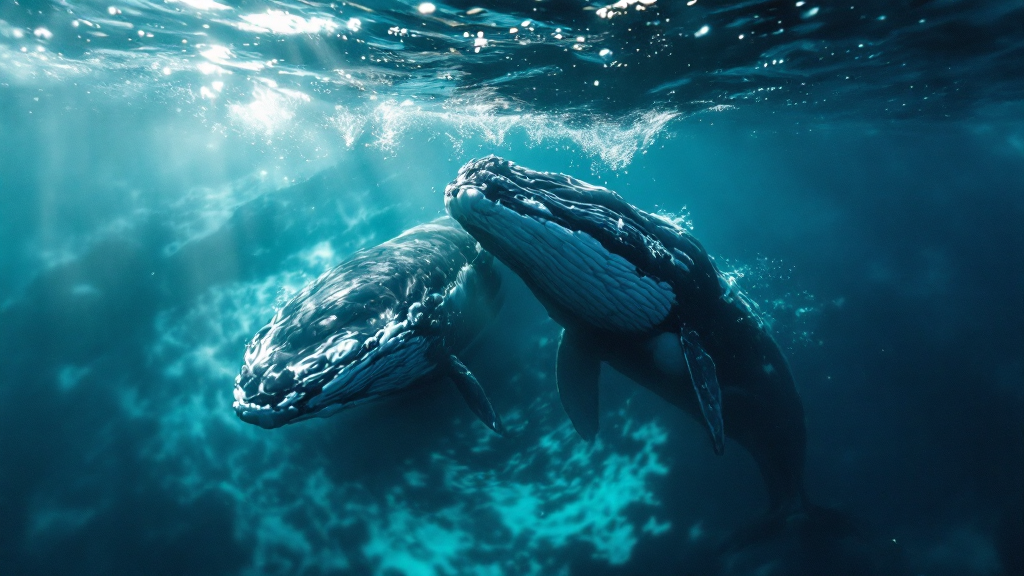
Australian biologists have, for the first time, closely documented a female humpback whale staying near her stillborn calf, repeatedly returning to it. This is the first recorded case of post-mortem attention in humpback whales.
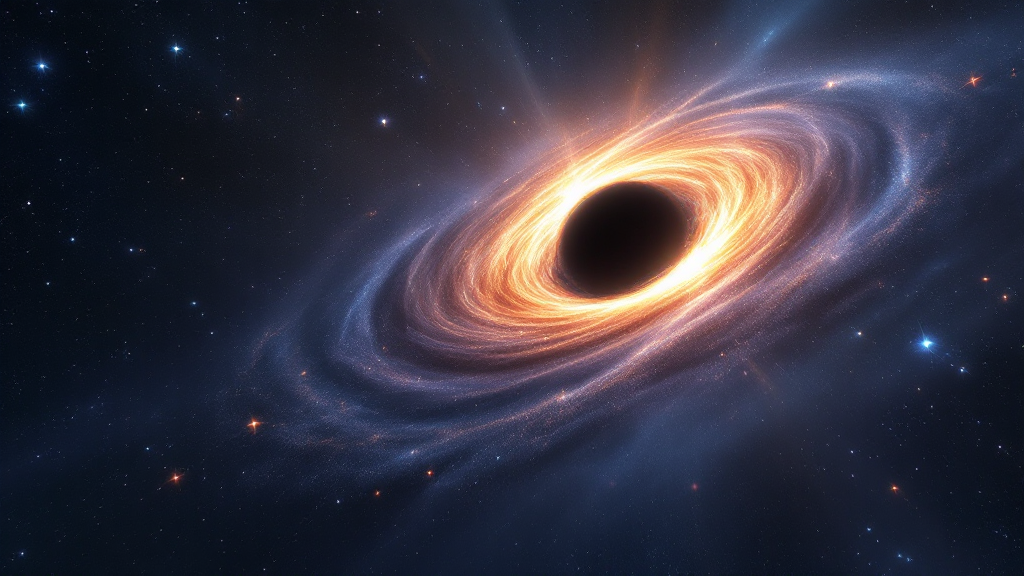
Astronomers have observed an unusually bright flare on the outskirts of a distant galaxy, triggered by a supermassive black hole destroying a star. This discovery raises new questions about the origins of such phenomena outside the centers of galaxies.
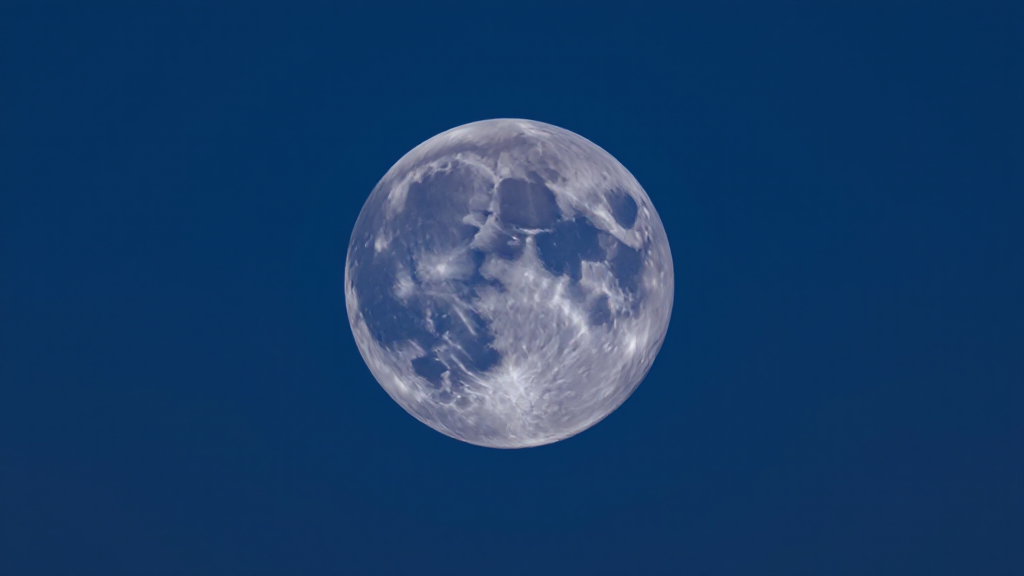
In August 2026, the upper stage of a Falcon 9 rocket will collide with the Moon, creating a crater and scattering debris. Astronomers plan to observe and document this event using telescopes and orbital spacecraft.
Long-term engagement in various forms of physical activity is associated with increased life expectancy and a reduced risk of death from different causes. The greatest benefits come not only from the amount of exercise, but also from incorporating a variety of activities.
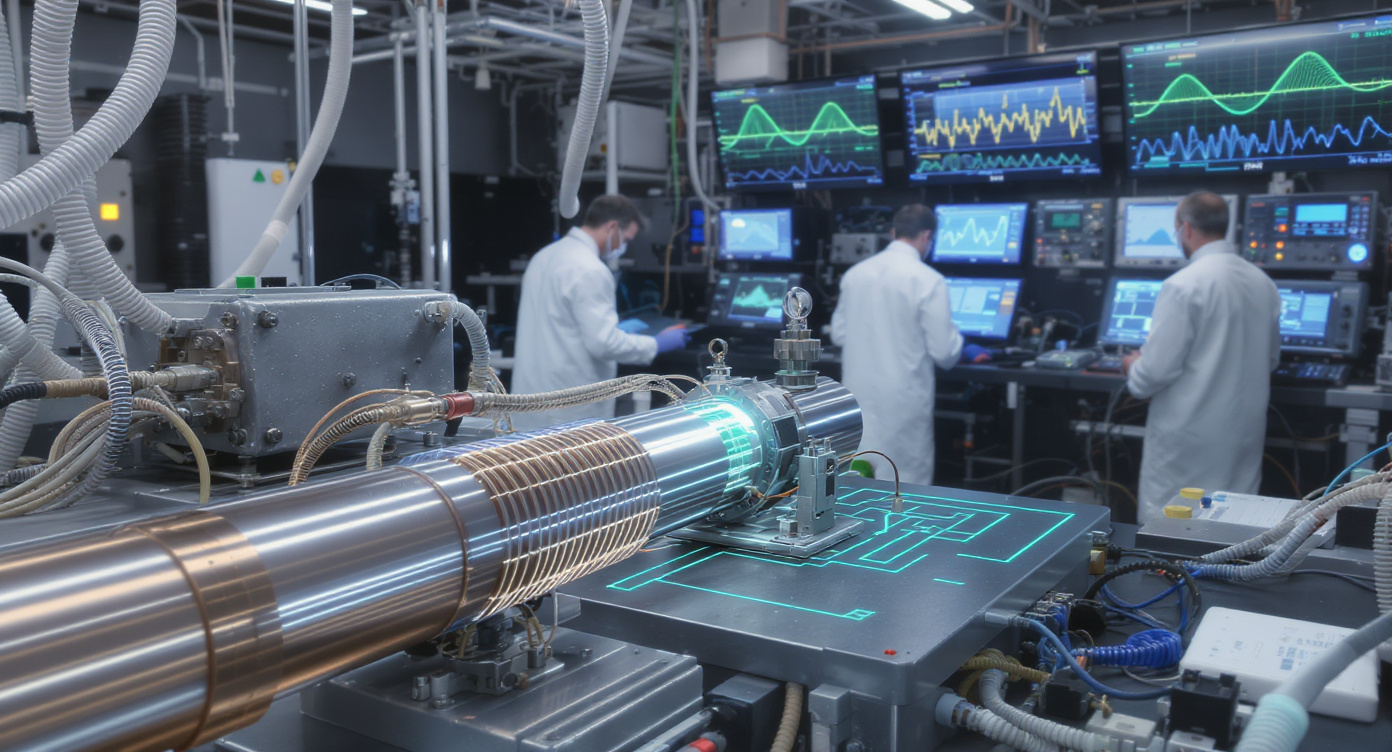
Scientists have developed a method that allows large quantum systems to be observed for more than a day without distorting their properties. This new approach opens up possibilities for non-invasive studies of materials and precise spectroscopy.
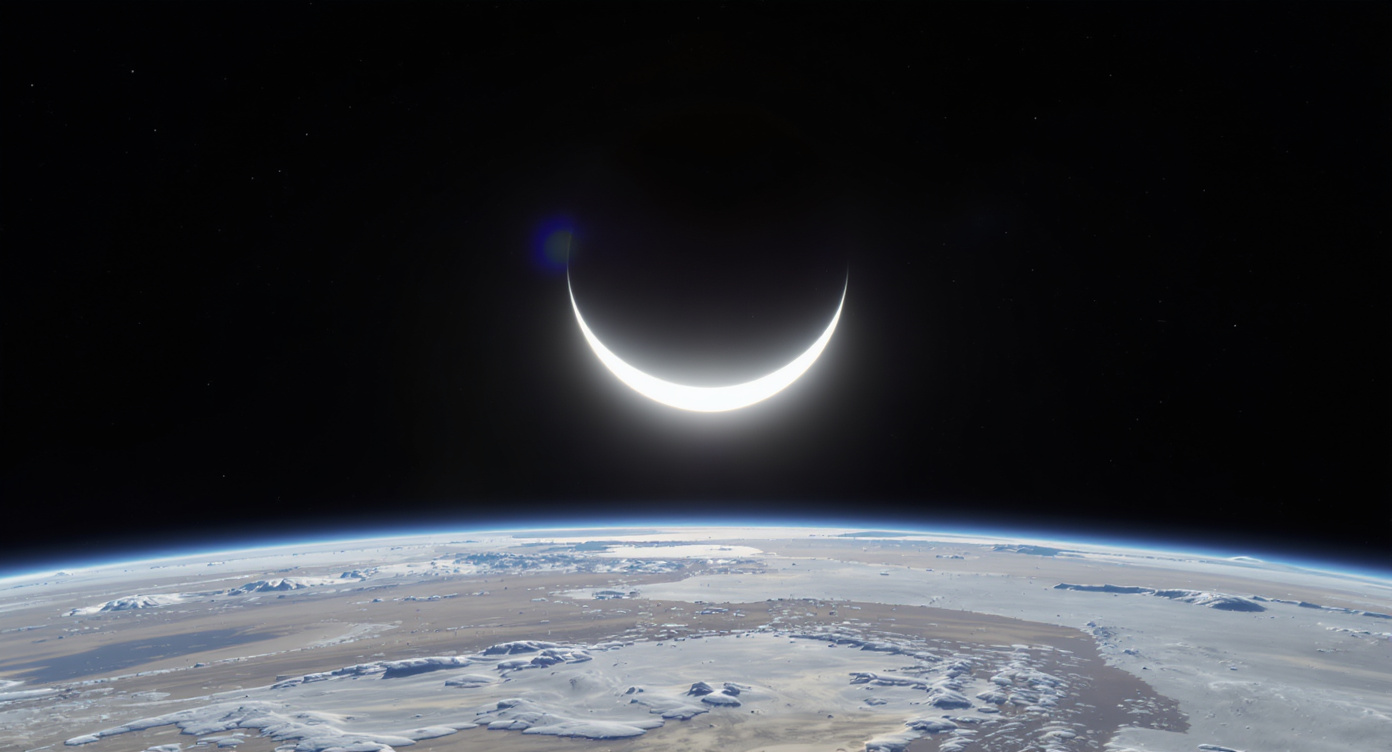
In February 2026, a solar eclipse over Antarctica was captured only by satellites, as the phenomenon was visible solely in a remote area. Later that year, more solar and lunar eclipses are expected, which will be observable by people living on different continents.
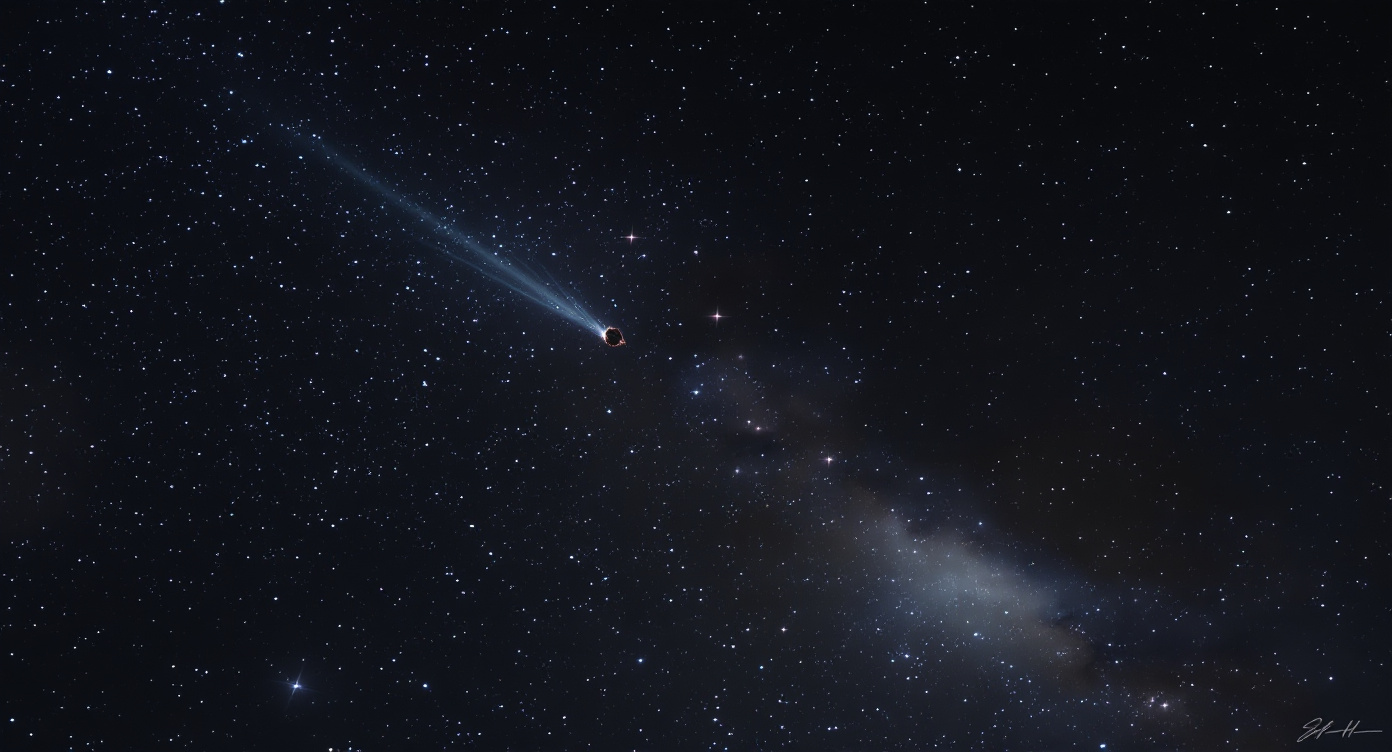
The ATLAS comet, which broke apart in 2020, left behind fragments that astronomers are still trying to locate. The fate of these remnants remains unknown, raising new questions about similar objects in our Solar System.
The Hubble Telescope has captured the most detailed image yet of the Egg Nebula—the closest and youngest known nebula of its kind. This photograph will help astronomers gain a deeper understanding of the processes involved in the formation of such nebulae.
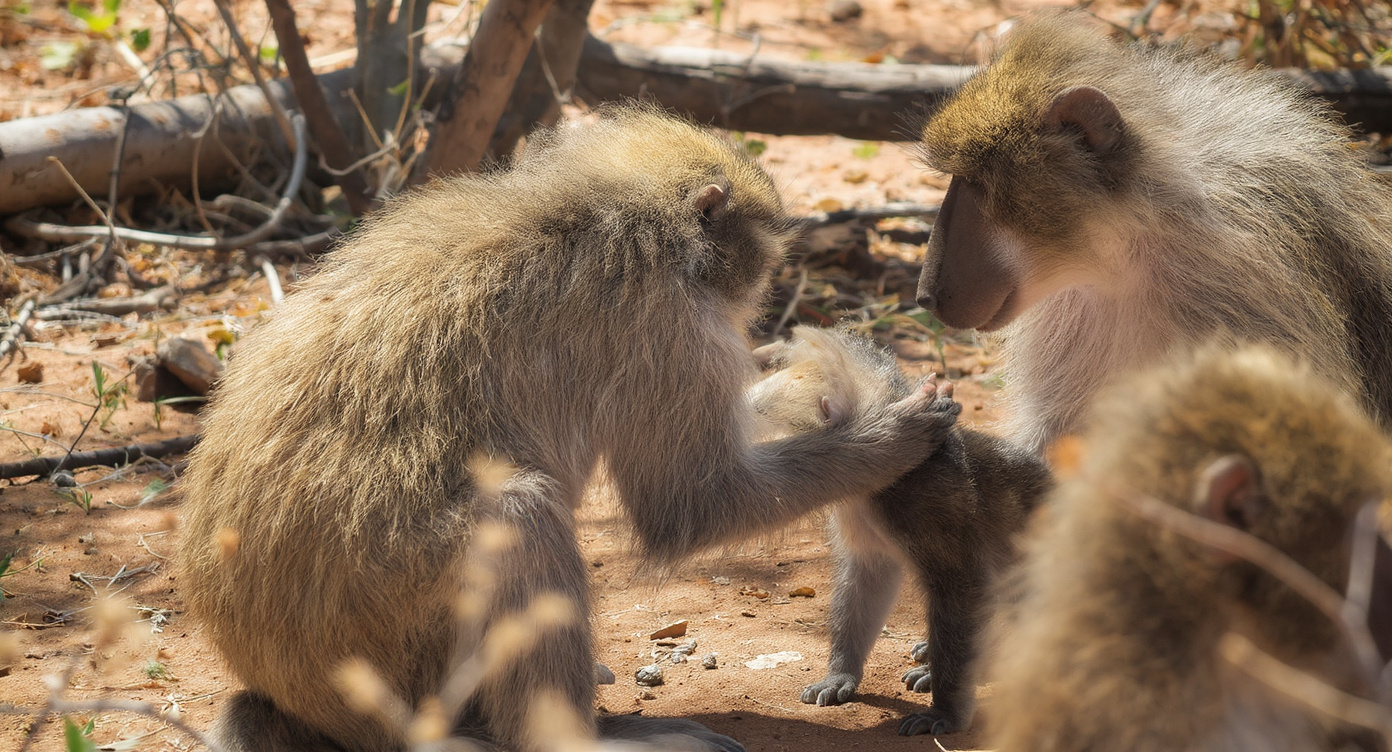
A new study has shown that baboons in the wild display jealousy similar to that of humans: older offspring often interrupt interactions between their mothers and younger siblings, not for their own benefit, but to disrupt their closeness. These findings support the idea that complex emotions emerged in primates long before humans appeared.
An Austrian cow named Veronika surprised scientists by consciously using different parts of a single tool to groom herself. Previously, such versatile use of objects had only been observed in chimpanzees.
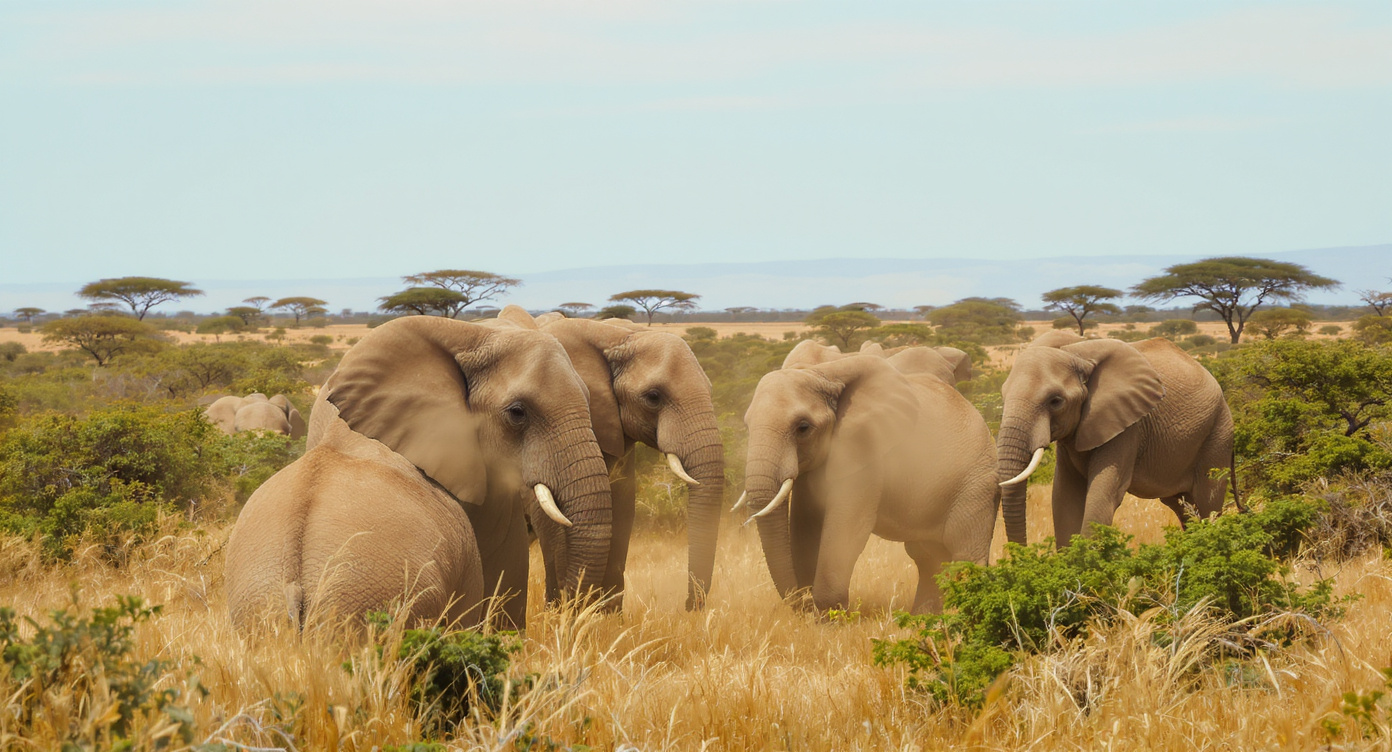
A new study has shown that drones can cause short-term stress and behavioral changes in African elephants. However, when used carefully, their impact is minimal and the animals quickly adapt.
The article explores modern explanations for the Fermi paradox—why we have not detected extraterrestrial civilizations despite the existence of billions of potentially habitable planets. Special attention is given to the hypothesis that the rapid development of artificial intelligence could drastically shorten the period during which civilizations are observable, making their detection extremely unlikely.

 Cursus