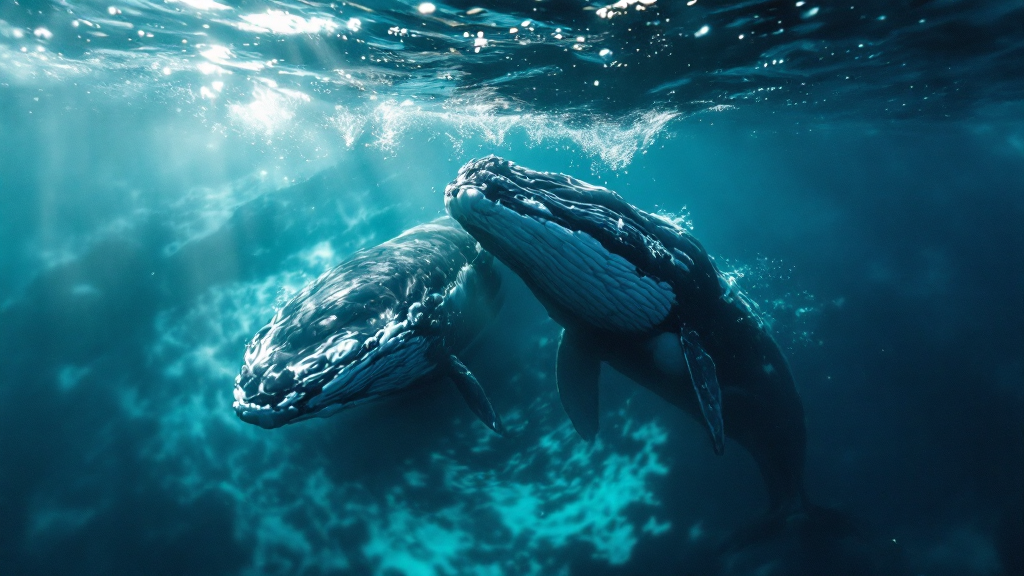
Australian biologists have, for the first time, closely documented a female humpback whale staying near her stillborn calf, repeatedly returning to it. This is the first recorded case of post-mortem attention in humpback whales.
Scientists have developed a new method for distinguishing mirror-image forms of molecules using twisted laser light, which has simplified and improved the accuracy of analyzing their chirality. This technology could be applied in chemistry, biology, and pharmaceuticals, where the properties of mirror-image molecules are critically important.
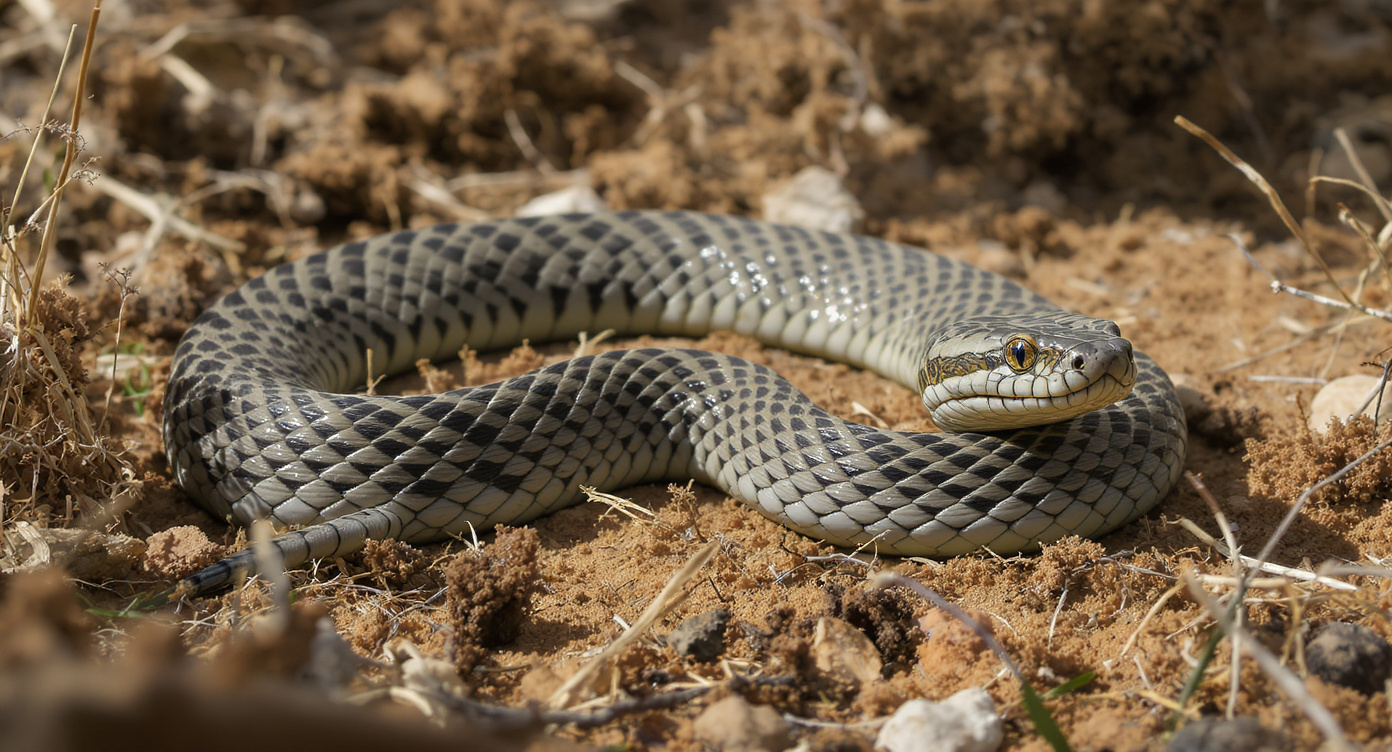
Using a robotic model of a rattlesnake, scientists have discovered that the fear of its rattle among animals living near snakes is innate. This sound serves as an effective warning signal that is hardwired at the genetic level.
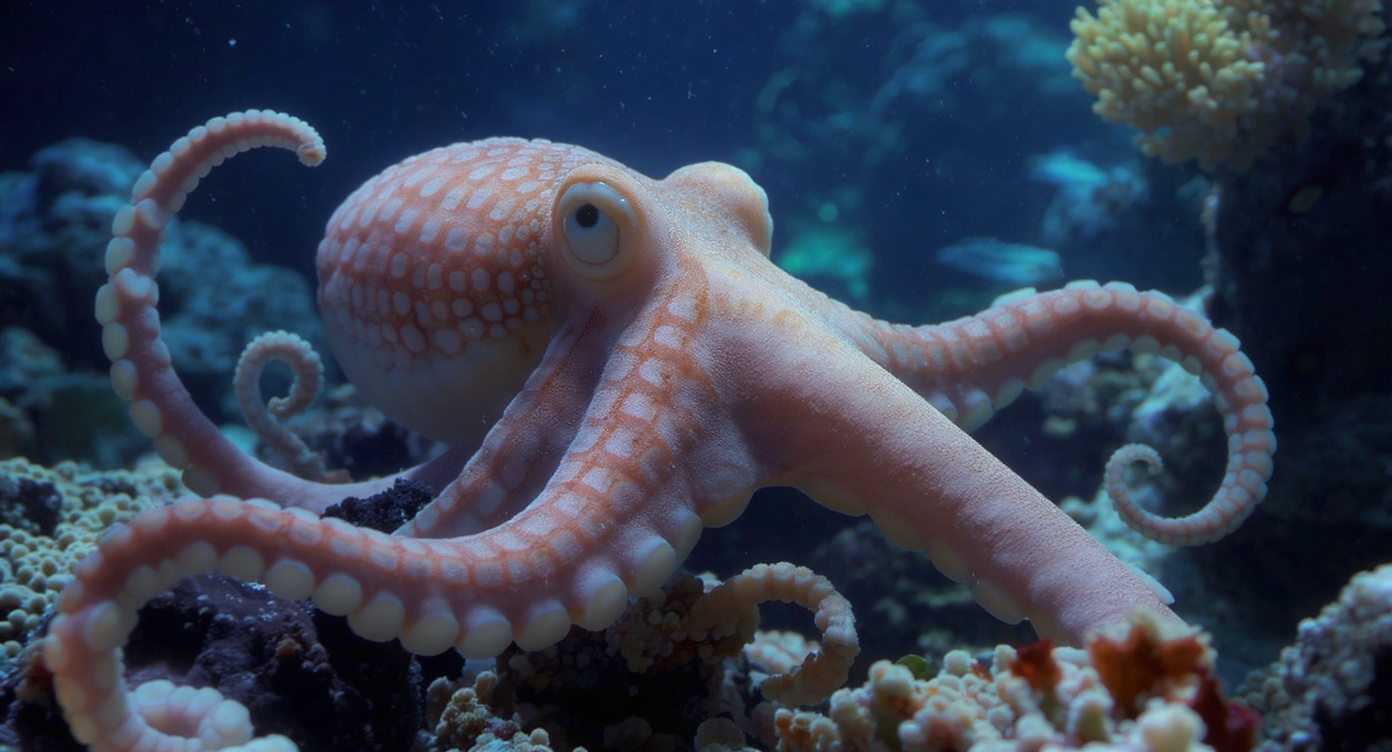
Male octopuses are especially protective of their third right arm—the hectocotylus—which is essential for reproduction. They take great care to shield it from harm, often using their other limbs to explore their surroundings instead. Studies have shown that if this arm is lost, mating becomes impossible until it has fully regenerated.
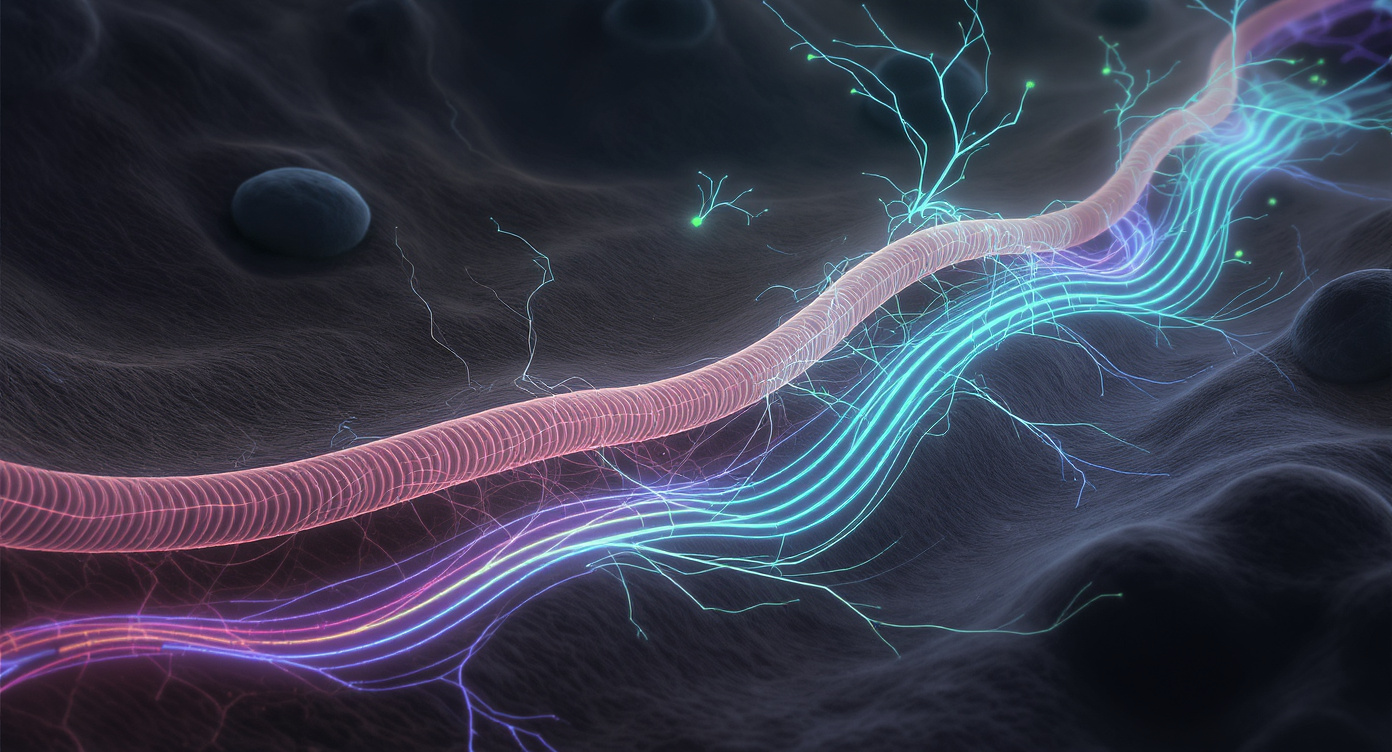
Scientists have discovered a previously unknown intracellular system that speeds up the delivery of proteins to the leading edge of the cell. This finding changes our understanding of the mechanisms behind cell movement, cancer spread, and wound healing, and could also lead to new strategies for combating tumors.
A new study has revealed that there are more than 26,000 species of wild bees on Earth—about a quarter more than previously thought. It may take several more decades to fully describe all these species.
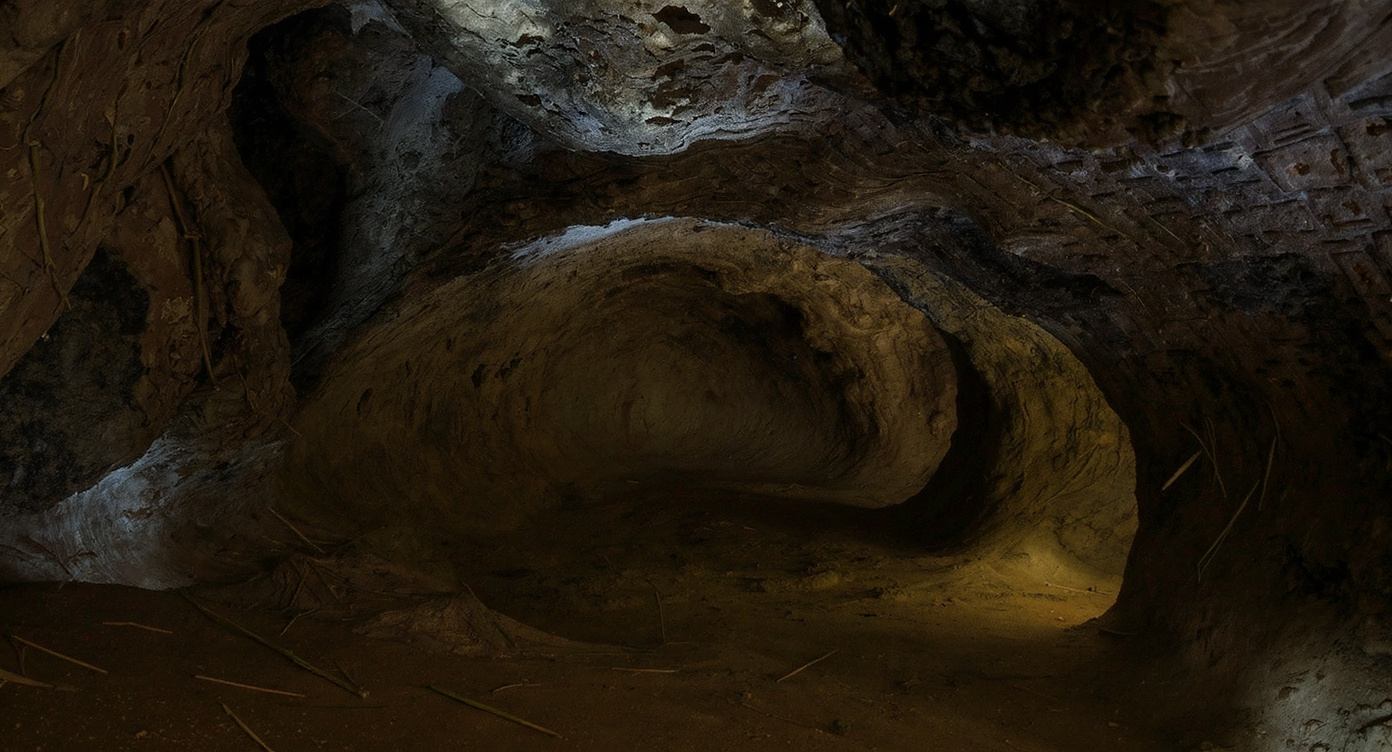
In caves in northern Saudi Arabia, uniquely well-preserved cheetah mummies have been discovered, allowing scientists to learn more about their extinct populations and the history of the region. Genetic analysis revealed that thousands of years ago, various subspecies of these predators lived here.

 Cursus