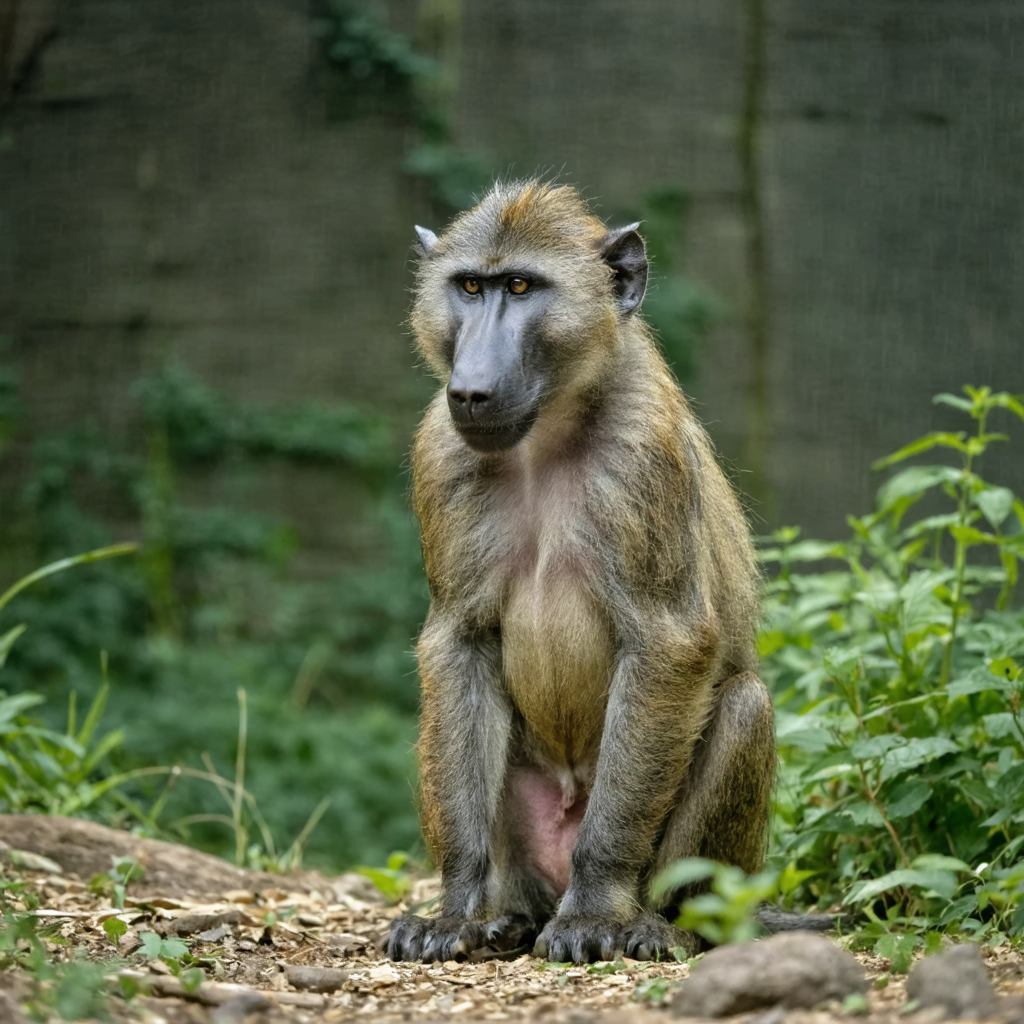
A new study has shown that female anubis baboons are able to select sperm from genetically most suitable males, ensuring diversity and survival of their offspring at the molecular level.
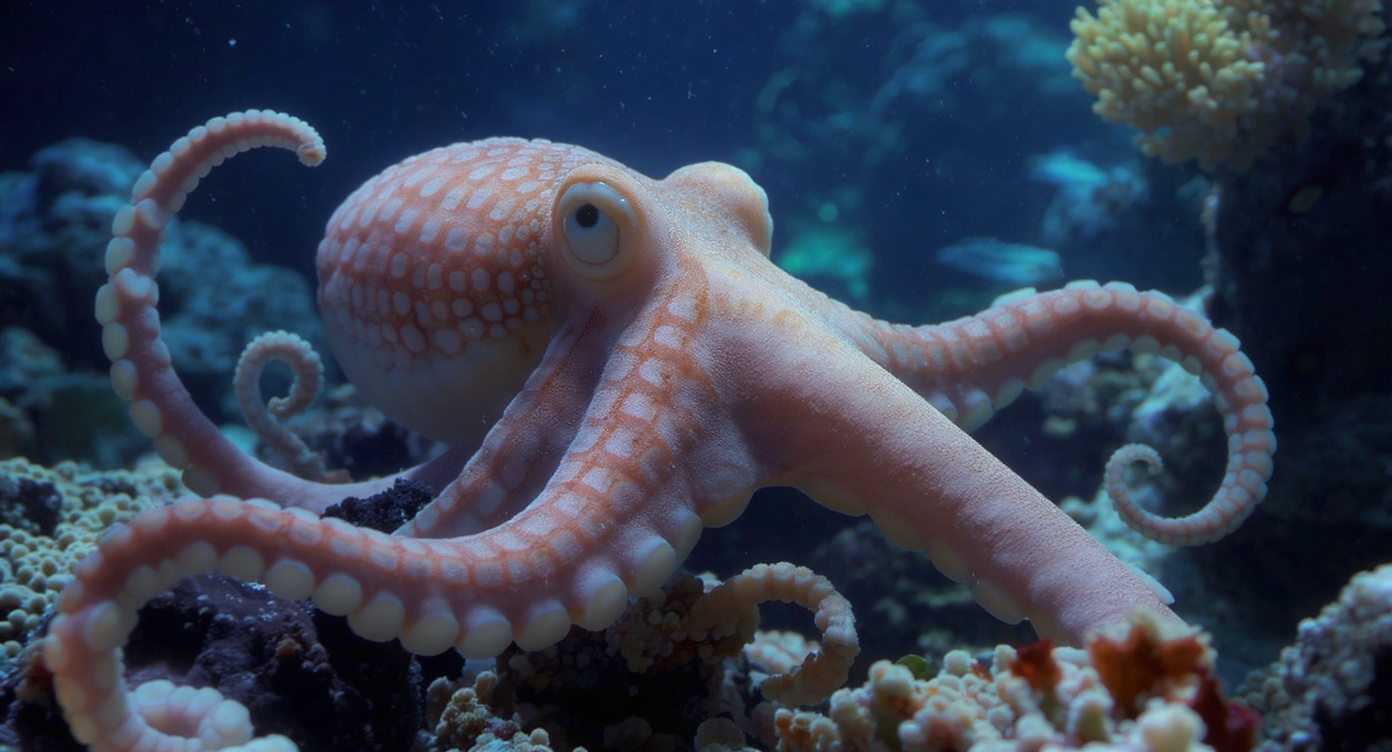
Male octopuses are especially protective of their third right arm—the hectocotylus—which is essential for reproduction. They take great care to shield it from harm, often using their other limbs to explore their surroundings instead. Studies have shown that if this arm is lost, mating becomes impossible until it has fully regenerated.
American geneticists have discovered that the absence of Neanderthal genes on the X chromosome in modern humans is not due to biological incompatibility, but rather to the mating preferences of ancient people. The study showed that Neanderthal men more often formed unions with Homo sapiens women, while hybrid men rarely left descendants, which influenced the genetic makeup of future generations.
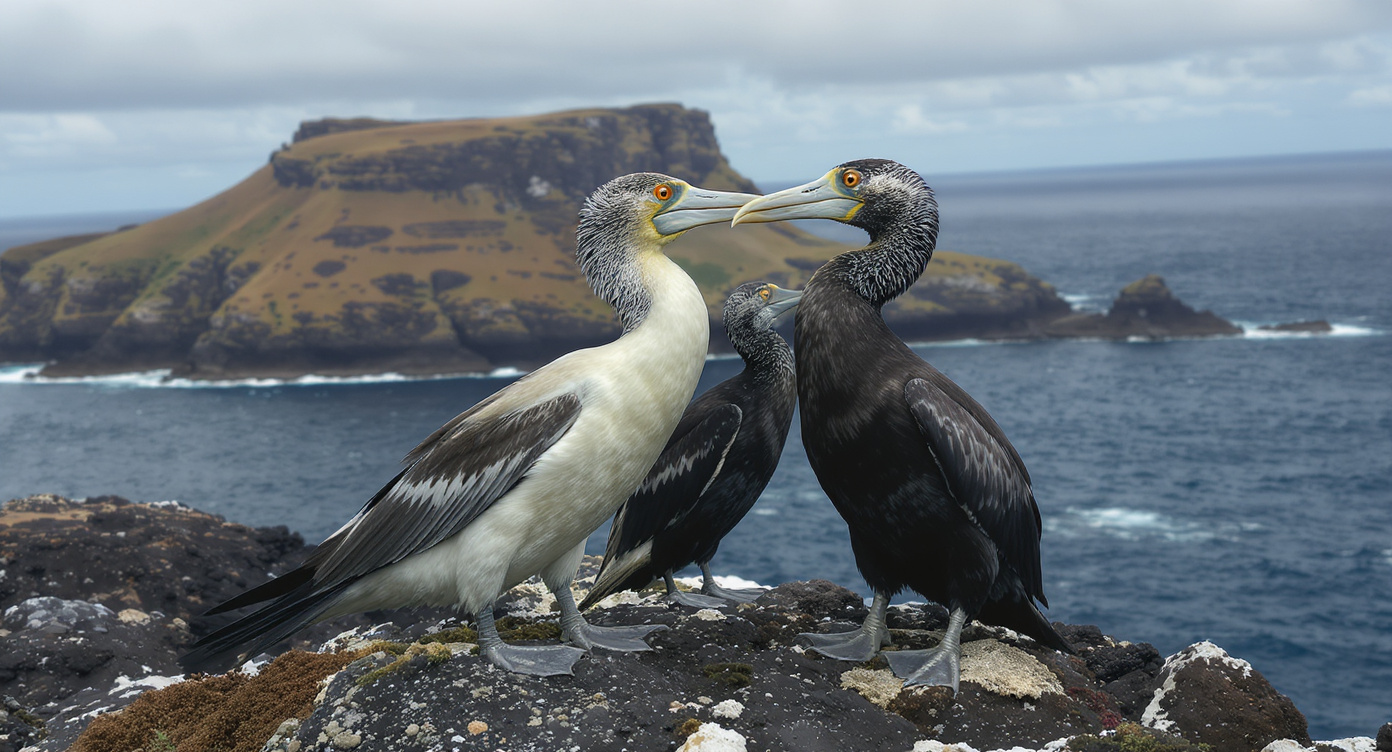
A study has shown that female Nazca boobies enjoy sexual freedom and openly mate with different males, but they only produce offspring with their regular partners, carefully controlling paternity through a strict meeting schedule. This strategy allows them to select the best mates for future breeding seasons.
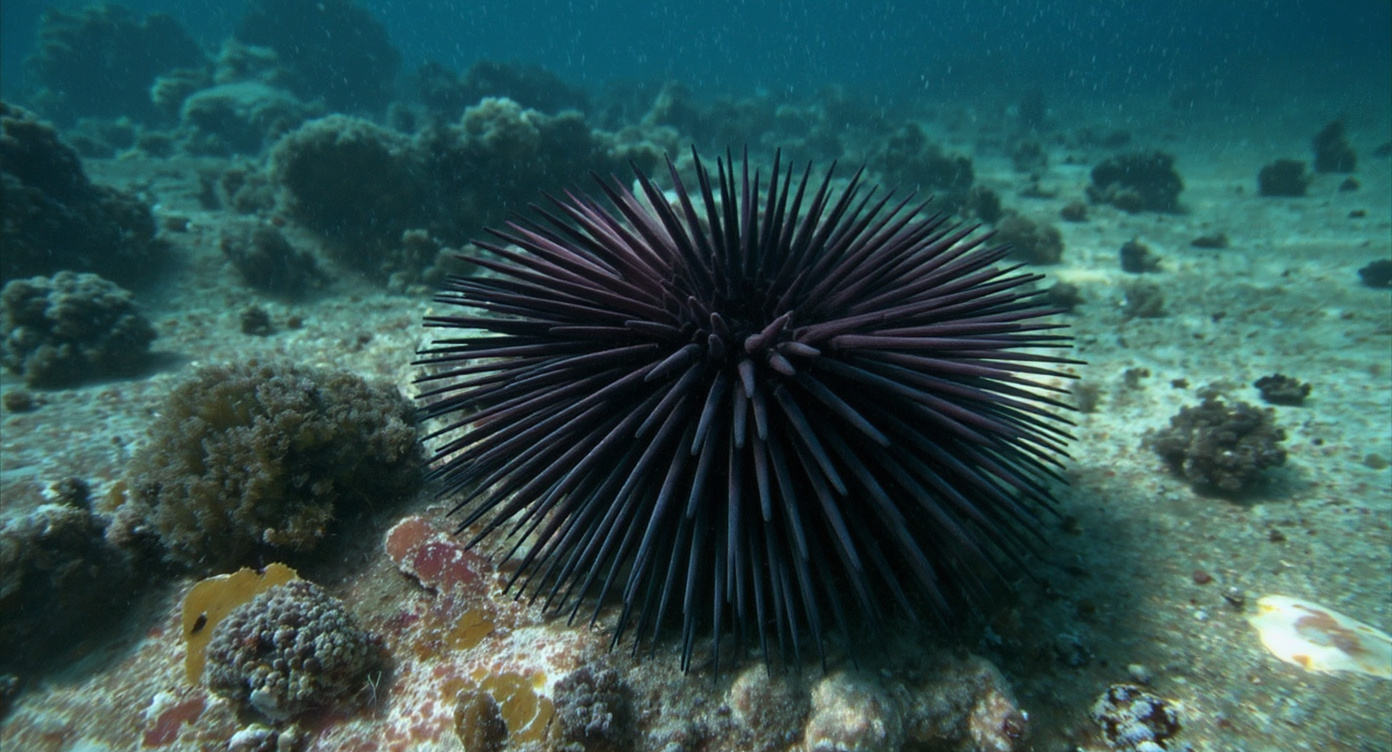
In 2022–2023, a mass die-off of sea urchins in the Canary Islands led to the near-total disappearance of their population and disrupted their life cycle. Research links this catastrophe to a global pathogen pandemic, posing a serious threat to the species' recovery.
The modern environment places demands on humans for which evolution has not prepared our bodies. This leads to chronic stress, reduced fertility, and an increase in inflammatory diseases. Researchers believe that to maintain health, it is essential to strengthen our connection with nature and adapt cities to better meet the biological needs of people.
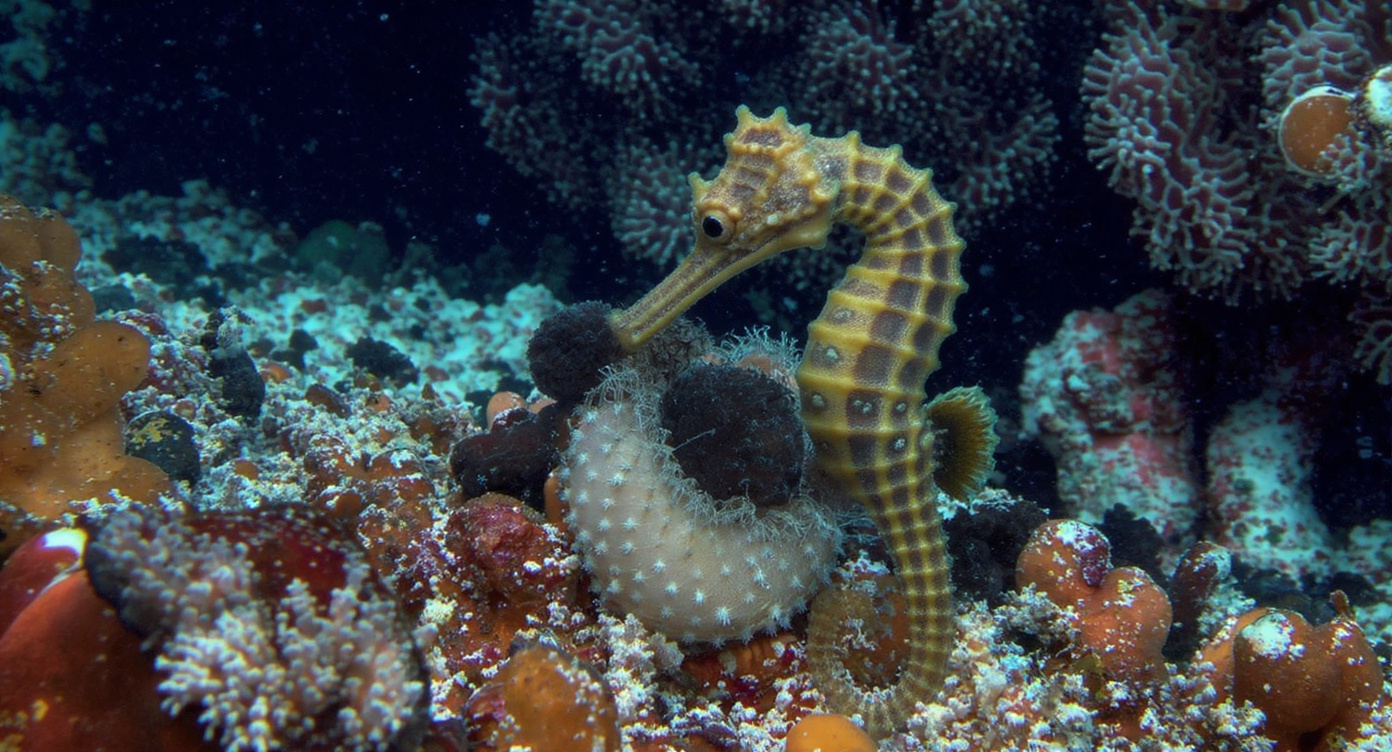
Seahorses are unique in that it is the males who carry and give birth to the offspring. A new study reveals the genetic and hormonal mechanisms behind this phenomenon, as well as its evolutionary significance.

 Cursus