A new study has found that in most songbird species, males tend to live longer than females, especially among migratory species. Researchers link these differences to physical exertion and social dominance.
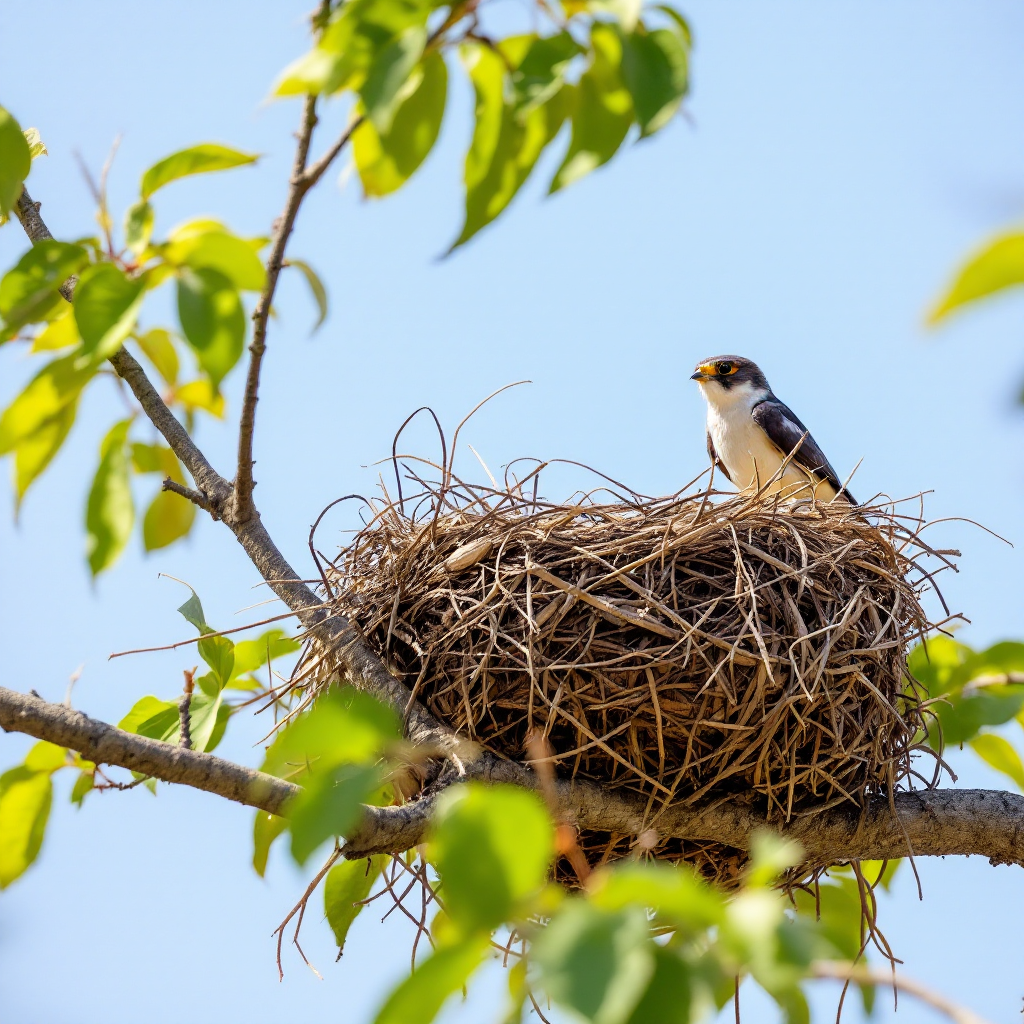
For the first time, researchers have used GPS trackers to study the behavior of the African pygmy falcon—the smallest diurnal predator in Africa. The study revealed that, to feed its chicks, this bird requires a territory almost 14 times smaller than that of its closest relatives.
The study found that the large, leaf-like wings of Viadana brunneri katydids both amplify the males' mating calls and help them blend into the surrounding vegetation, aiding their survival and reproductive success.
The study revealed that the life cycle of red-necked nightjars is closely linked to the phases of the Moon: these birds are most active during the full moon, while during the new moon they enter a state of torpor to conserve energy. Lunar cycles also influence the migration and breeding patterns of these nocturnal birds.
The rare capture of a young great white shark off the eastern coast of the peninsula has confirmed that this species still inhabits the Mediterranean Sea. Research highlights the importance of monitoring and protecting these predators for the health of the region's ecosystems.
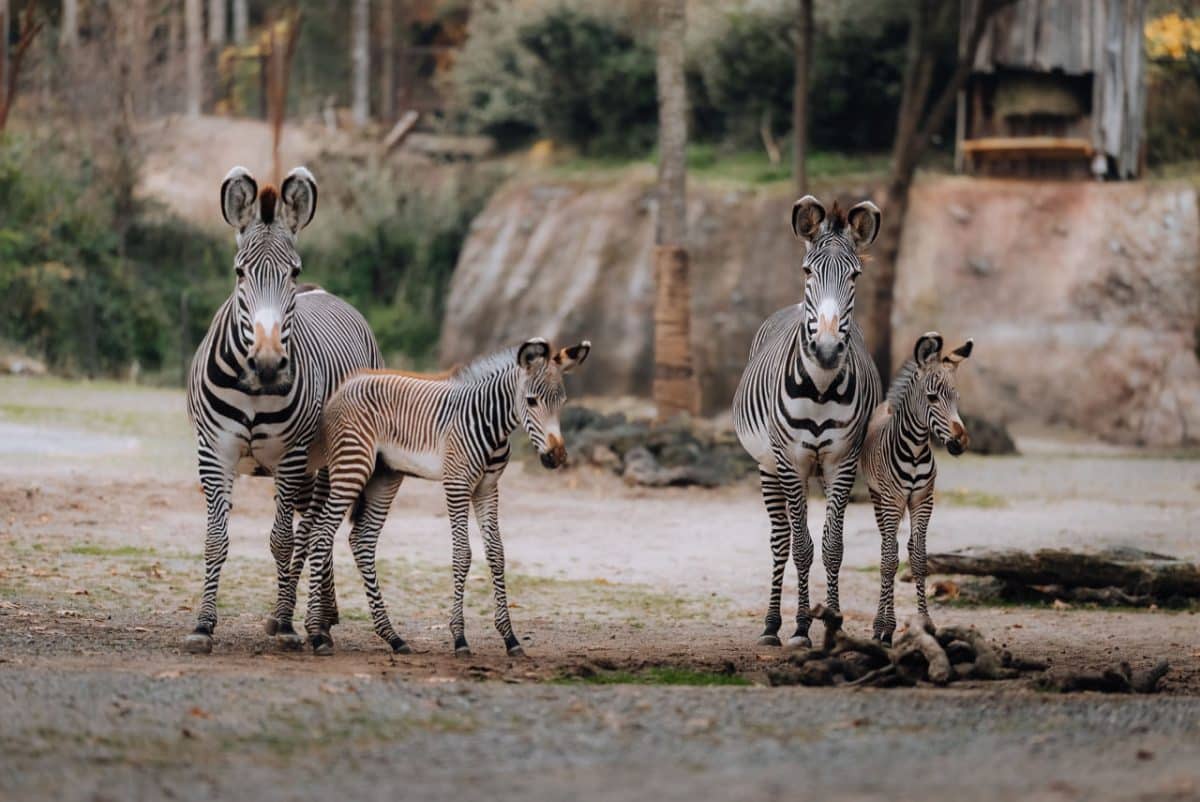
A study has shown that mammal populations in European and North American zoos are aging, which reduces the number of individuals capable of breeding and poses a threat to the conservation of rare species.
American scientists have discovered that partner switching among beluga whales helps small populations maintain genetic diversity and reduces the risks of inbreeding, thereby supporting the long-term survival of the species.
A new study has shown that native tree species, such as oaks, are especially important for the successful breeding of urban birds, as they provide a rich food source. Planting native trees helps support biodiversity and maintain the health of urban ecosystems.
The small pufferfish creates intricate geometric circles on the sea floor to attract a mate and provide a safe environment for its eggs. These remarkable structures are built within a week and disappear after spawning. This fascinating phenomenon occurs not only off the coast of Japan but also in Australia.
Male bonobos are able to identify periods of peak fertility in females by observing the age of their offspring and changes in external features, even when the signals are ambiguous. This ability allows them to choose the optimal time for mating.
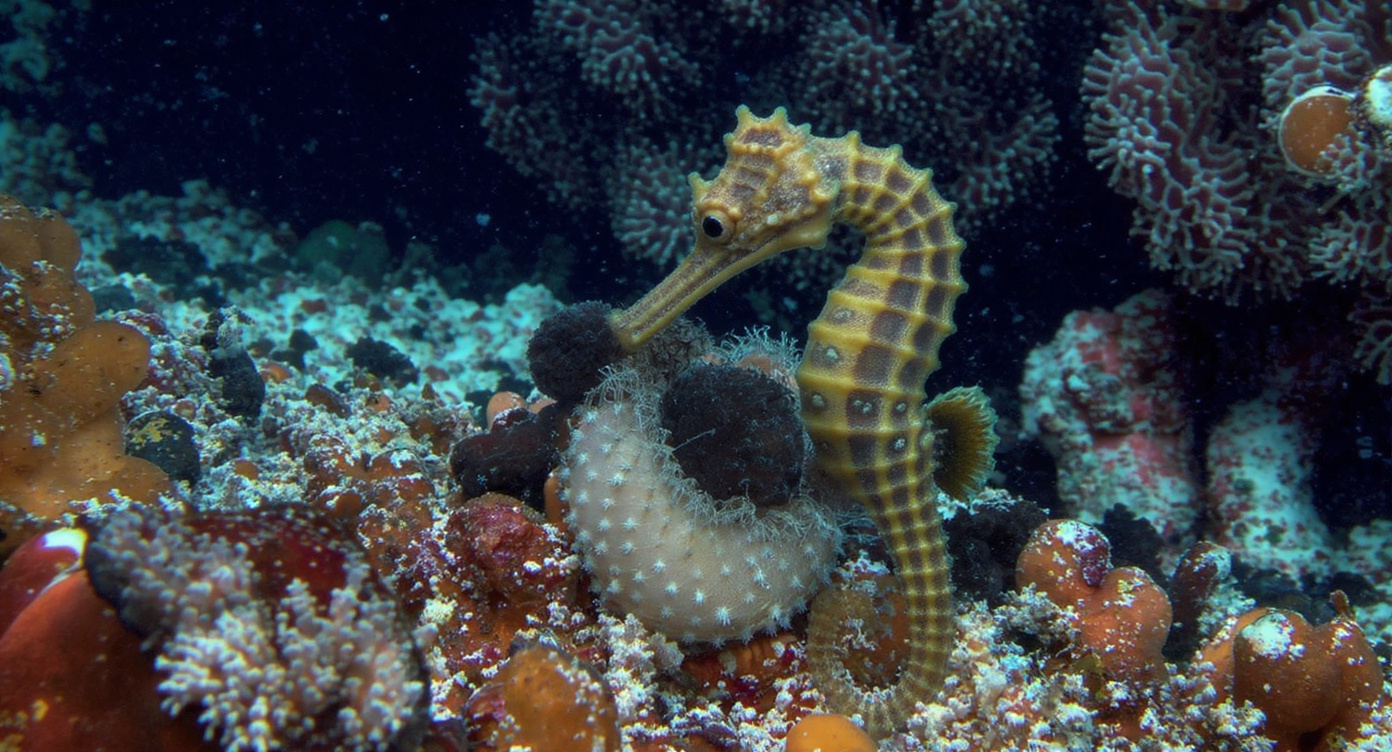
Seahorses are unique in that it is the males who carry and give birth to the offspring. A new study reveals the genetic and hormonal mechanisms behind this phenomenon, as well as its evolutionary significance.
Iberian harvester ants have been found to possess a unique method of reproduction: queens are able to produce clones of males from another species, ensuring the survival of their colony. This unusual symbiosis reveals new aspects of insect evolution.

 Cursus