A new study has found that in most songbird species, males tend to live longer than females, especially among migratory species. Researchers link these differences to physical exertion and social dominance.
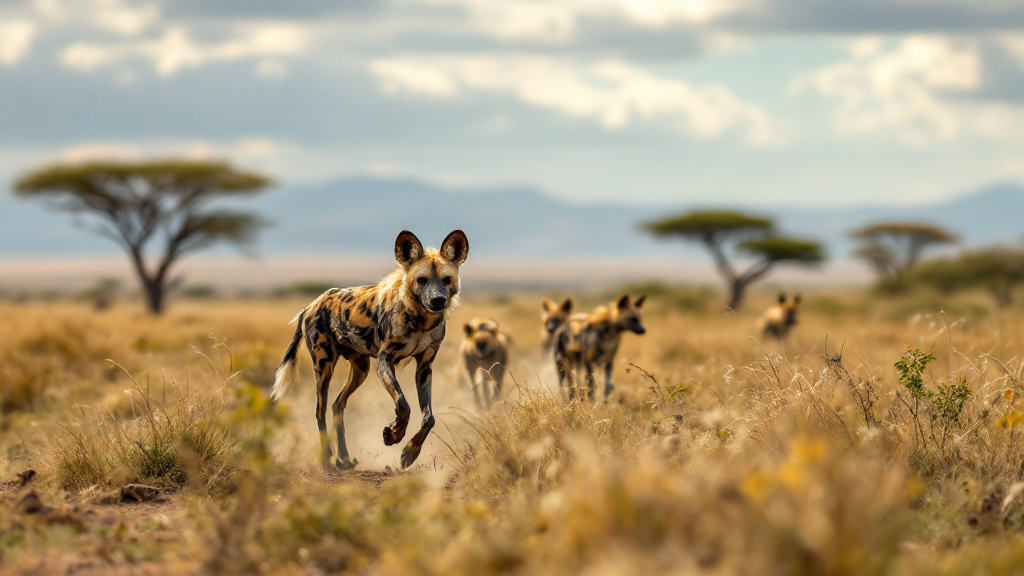
Young male African wild dogs traveled over 4,000 kilometers in nine months, setting a new record among African mammals. This discovery is important for understanding migration patterns and for the conservation of this rare species.
A study in Germany found that streetlights with warm light attract nearly half as many nocturnal insects compared to cold lamps, reducing insect deaths caused by artificial lighting. This approach could help preserve insect populations and support ecosystems.
Over the past ten years, the population of Amur leopards in Russia has nearly tripled thanks to enhanced protection efforts. To further restore their numbers, plans are underway to expand their habitat and strengthen international cooperation.
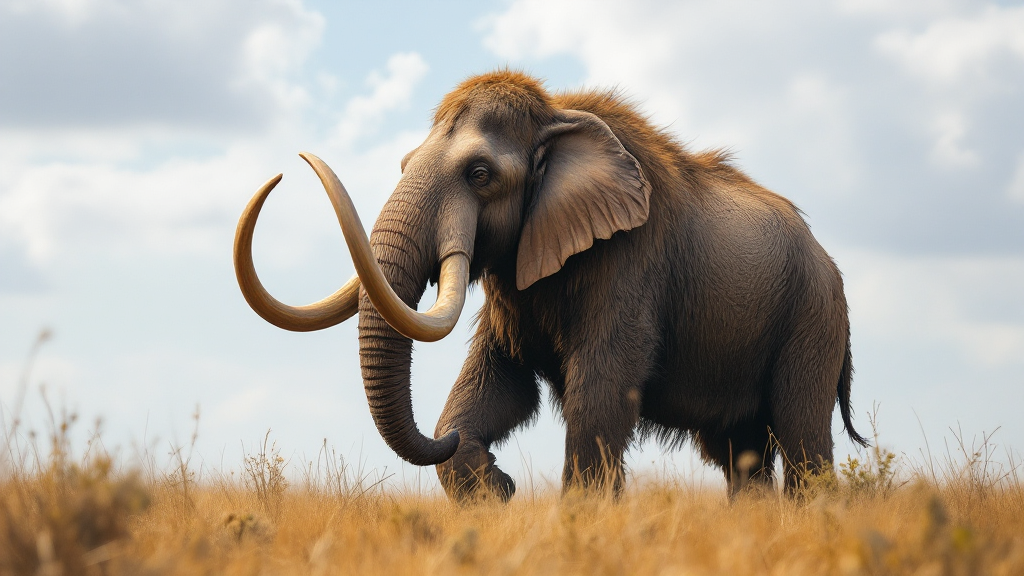
A new DNA study of mammoth remains has revealed that ancient humans primarily hunted females rather than males. This selective hunting may have affected the population size of the species and accelerated their extinction.
A new study shows that the risk of malaria infection significantly influenced the settlement patterns of ancient humans in Africa, alongside climate factors. Malaria shaped the demographic structure of populations, dividing groups and determining their choice of habitats.
Genetic analysis of the Neanderthal from Denisova Cave revealed that Siberian populations lived in small, isolated groups, which accelerated the accumulation of mutations. The study also found evidence of gene exchange with Denisovans and significant differences between eastern and western Neanderthals.
The rare capture of a young great white shark off the eastern coast of the peninsula has confirmed that this species still inhabits the Mediterranean Sea. Research highlights the importance of monitoring and protecting these predators for the health of the region's ecosystems.
A study found that an adult short-finned pilot whale eats an average of 142 squid per day, totaling up to 73,000 individuals per year. Despite such large quantities, there is still enough food in the waters around Hawaii to sustain these marine mammals.
A new study reveals that Homo sapiens and Neanderthals regularly interacted and interbred across vast areas of Eurasia for thousands of years, not just in a single region. These prolonged interactions have left a significant mark on the genome of modern humans.
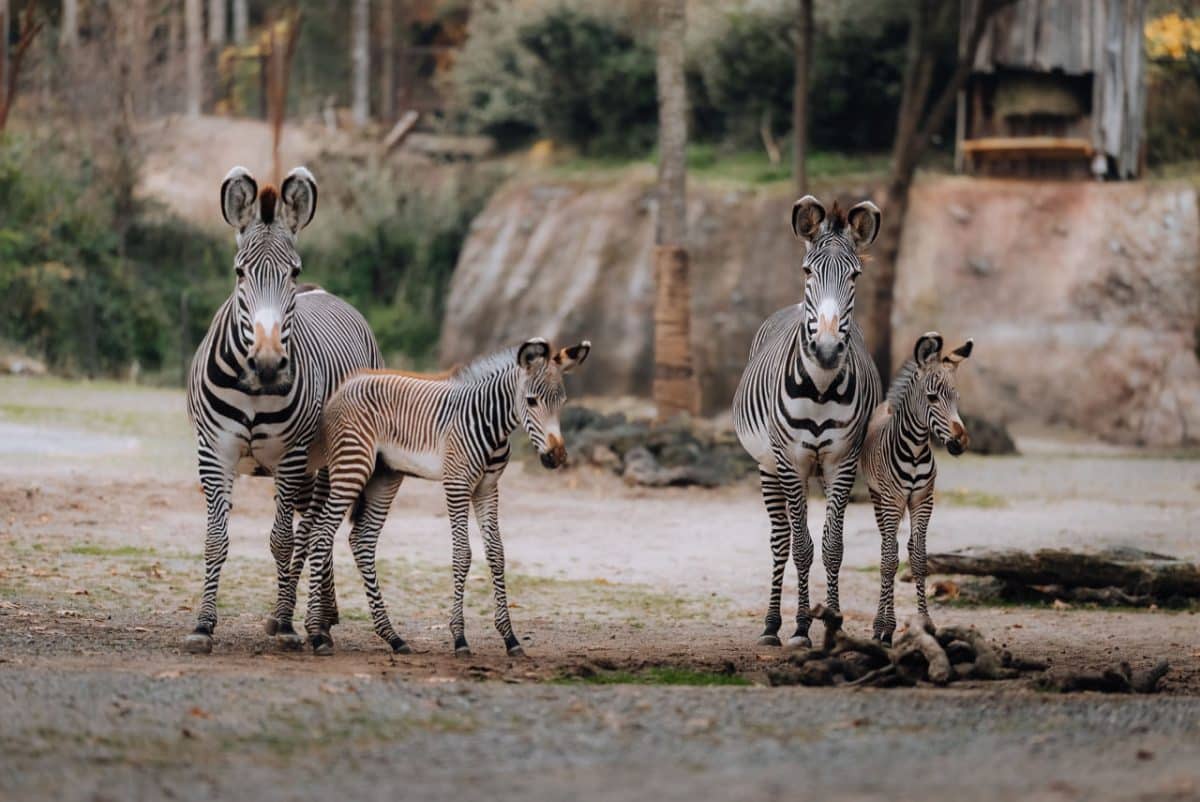
A study has shown that mammal populations in European and North American zoos are aging, which reduces the number of individuals capable of breeding and poses a threat to the conservation of rare species.
American scientists have discovered that partner switching among beluga whales helps small populations maintain genetic diversity and reduces the risks of inbreeding, thereby supporting the long-term survival of the species.
A new study has found that young bald eagles from Arizona migrate north rather than south, and sometimes settle in other regions. These unusual migration routes highlight the importance of studying bird movements for their effective conservation.
A new study suggests that the disappearance of Neanderthals may have been the result of gradual assimilation with Homo sapiens, rather than wars or catastrophes. Even infrequent but regular contact led to the near-complete absorption of Neanderthals into the population of modern humans.
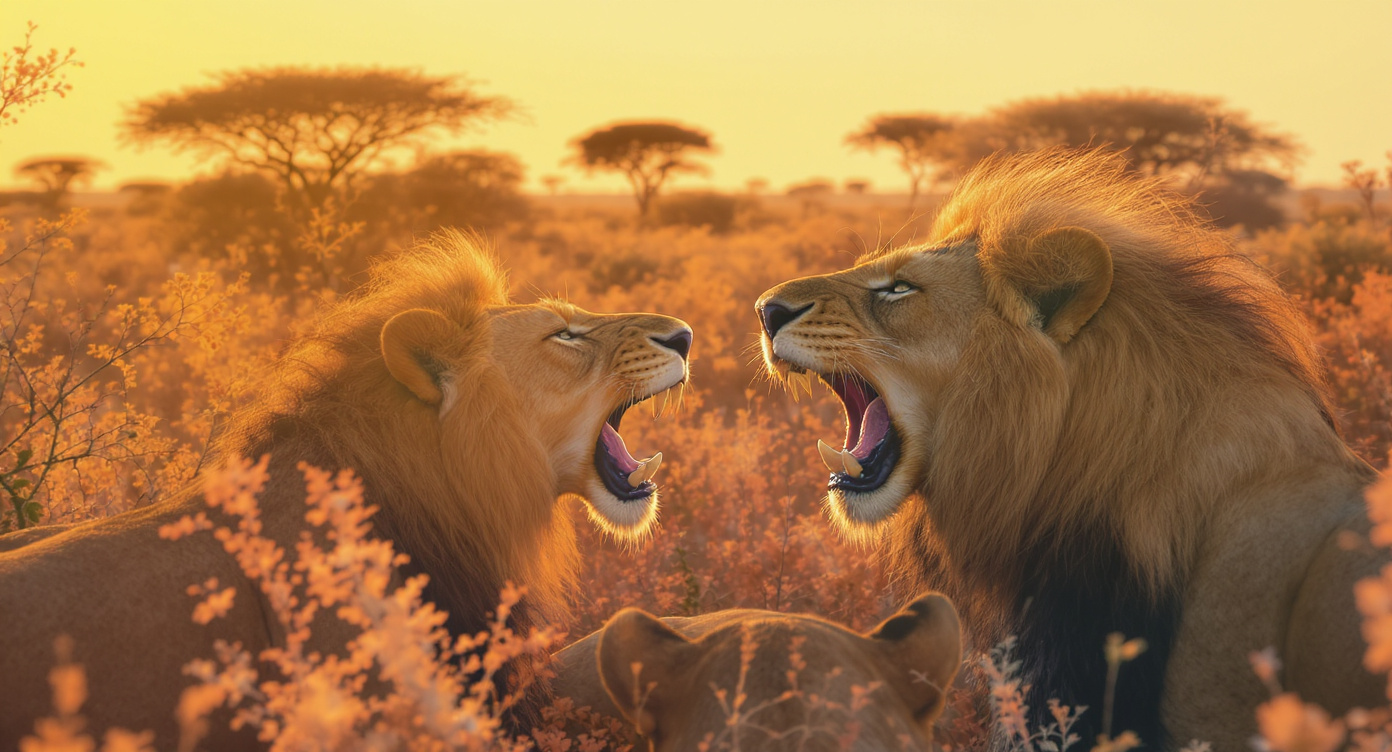
Researchers have developed a machine learning method for the automatic classification of lion roars, which has improved the accuracy of identifying individual animals and revealed regional differences in vocalizations. This new approach makes it easier to monitor populations and could become an effective tool for wildlife conservation.

 Cursus