A new study has, for the first time, described the composition of microRNA in dolphin milk and revealed similarities between these molecules and the microRNA found in terrestrial mammals. This discovery will help deepen our understanding of the role milk plays in the development of offspring across different species.
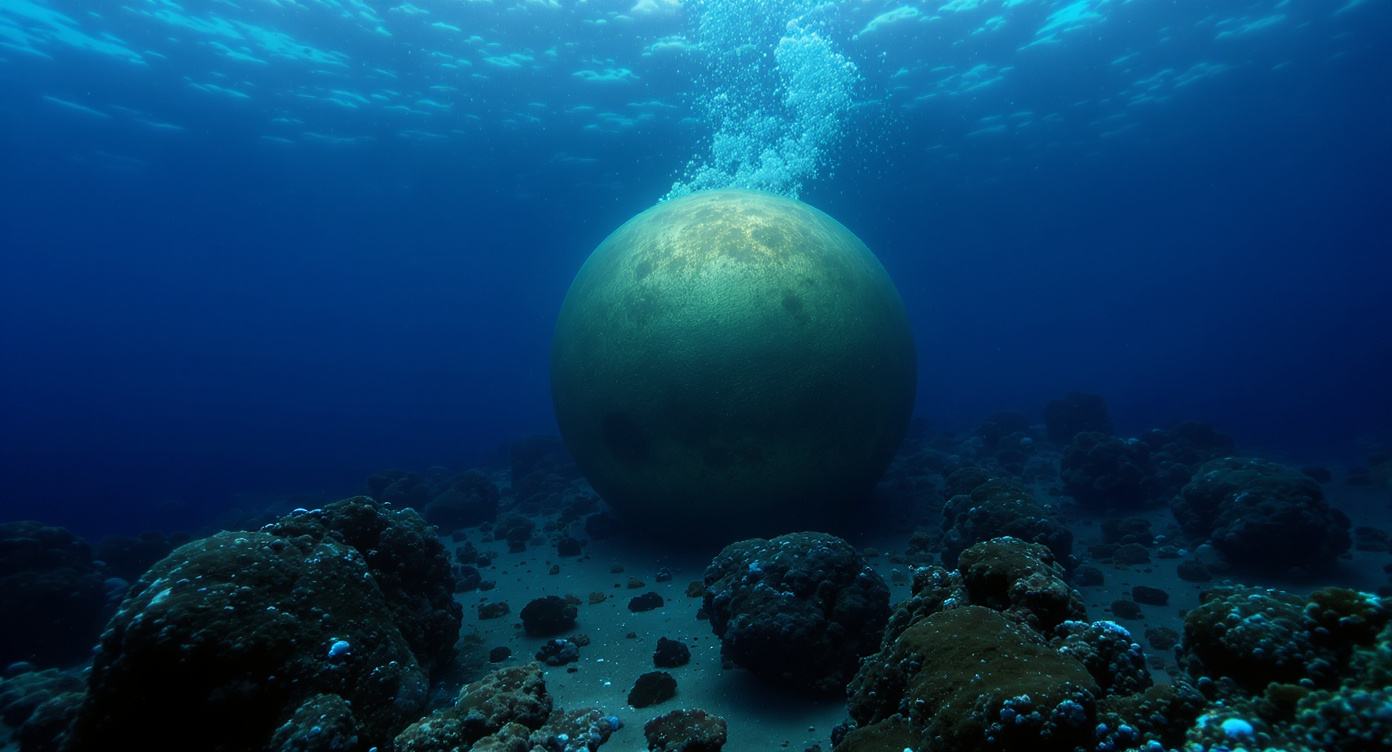
A mysterious object discovered at a depth of 3,250 meters in the Gulf of Alaska turned out to be the remains of the deep-sea anemone Relicanthus daphneae. This finding highlights that the depths of the ocean are still full of secrets.
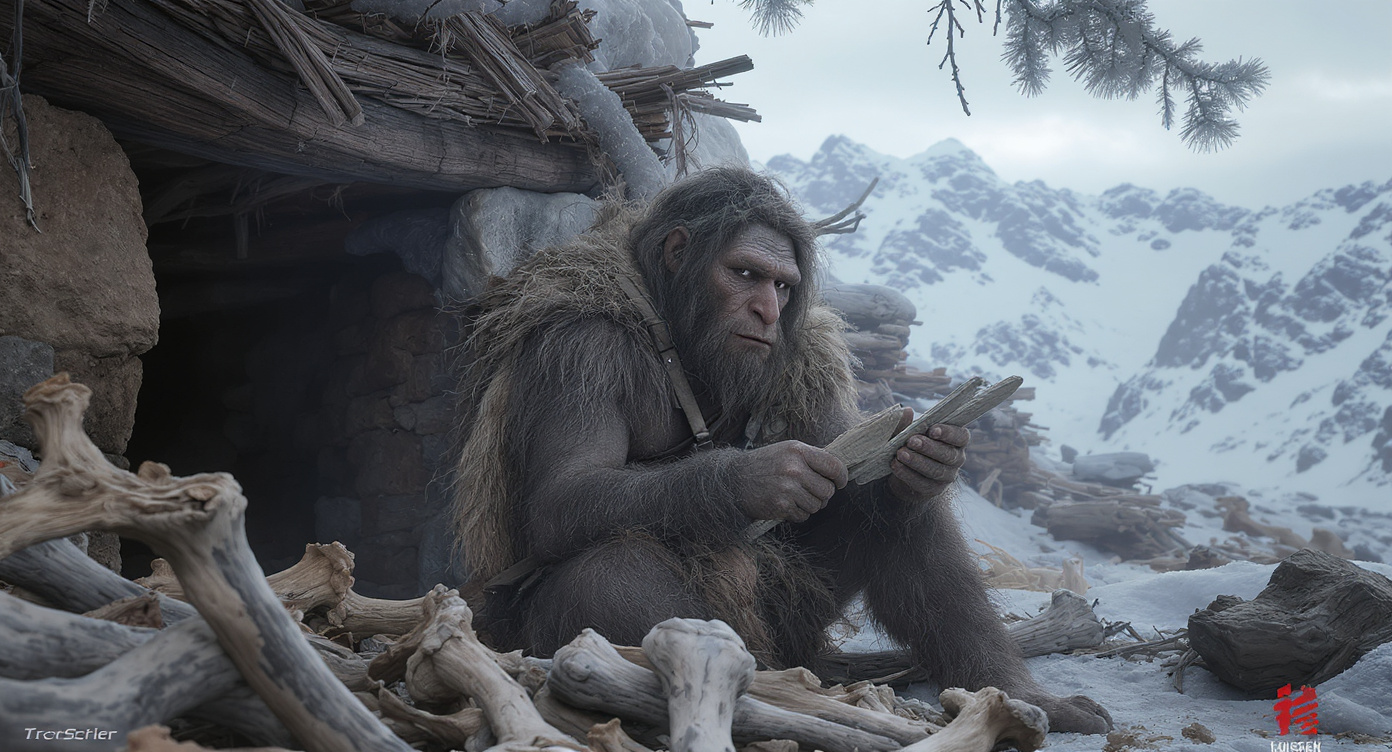
Genetic analysis of the Neanderthal from Denisova Cave revealed that Siberian populations lived in small, isolated groups, which accelerated the accumulation of mutations. The study also found evidence of gene exchange with Denisovans and significant differences between eastern and western Neanderthals.
Scientists have decoded the genome of a bacterium found in an ice cave that is 5,000 years old and discovered that it is resistant to eight classes of modern antibiotics. This finding confirms that mechanisms of drug resistance were developing in nature long before the advent of medicine.
In Bangladesh, five patients who consumed raw date palm sap were found to be infected with the Pteropine orthoreovirus, a virus carried by bats. This discovery highlights the importance of monitoring emerging zoonotic infections.


 Cursus