

The Neanderthal genome reveals isolation and mutations
Genetic analysis of the Neanderthal from Denisova Cave revealed that Siberian populations lived in small, isolated groups, which accelerated the accumulation of mutations. The study also found evidence of gene exchange with Denisovans and significant differences between eastern and western Neanderthals.
Cursus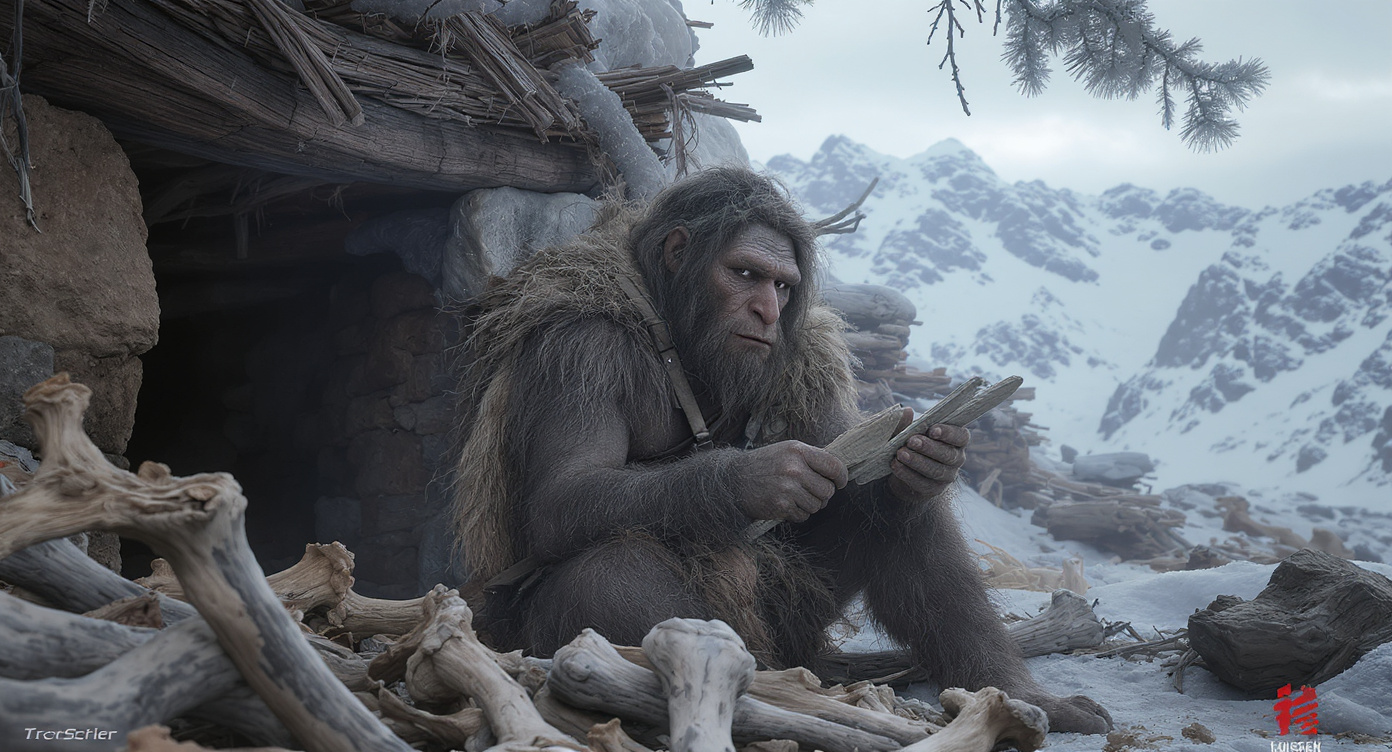
Specialists have decoded the genome of a Neanderthal who lived about 110,000 years ago and whose remains were found in the Denisova Cave in the Altai Mountains. Genetic analysis revealed that local Neanderthals were divided into small, isolated groups. Geographic isolation and a decrease in population size led to a faster accumulation of mutations compared to the ancestors of modern humans.
Features of Obtaining Genetic Data
Paleontologists rarely obtain high-quality genetic information from extinct hominids due to the degradation of organic molecules in their remains. Most known pure Neanderthal genomes belong to individuals who lived shortly before the species disappeared, around 40,000 years ago. The lack of biological material makes it difficult to study the early stages of population formation.
New Research
In the new study, organic material was extracted from a fragment of ancient bone found in Denisova Cave. Researchers compared the genetic traits of the Altai Neanderthal with other known genomes. Scientists traced the timeline of group separations and calculated the rate at which mutations appeared. The results were published in the journal Proceedings of the National Academy of Sciences.
Analysis Methodology
Nucleic acids were isolated from 14 milligrams of bone tissue, followed by high-coverage sequencing. Each section of the genome was read an average of 37 times to minimize errors. About 73% of the long segments matched the control samples exactly. The obtained data were compared with Neanderthal genomes from Europe and the Altai region.
Genetic Characteristics
Biologists counted the number of shared mutations and assessed the proportion of homozygous regions—long identical sequences inherited from both parents. In the Siberian Neanderthal, this figure reached 24%, whereas in early ancestors of modern humans it was only a few percent. Modeling confirmed prolonged inbreeding among Altai hominids. Neanderthals lived in small, isolated settlements within a limited territory. The size of the local community in the Altai region was estimated at about 50 individuals.
Interaction with Denisovans
Biologists recorded direct gene transfer from Denisovans to eastern Neanderthals. The chromosomes of the Altai Neanderthal retained segments characteristic only of the neighboring species. Such traces were not found in later European Neanderthals. Genetic differences between Altai and western Neanderthals turned out to be significantly greater than those between indigenous populations of Central Africa and the islands of New Guinea.
Research Conclusions
The analysis of the remains confirmed fundamental differences in the evolutionary paths of separate Neanderthal branches. Inbreeding and centuries-long geographic isolation led to rapid changes in the eastern branch. Spatial separation fixed the accumulated mutations in Siberian communities.