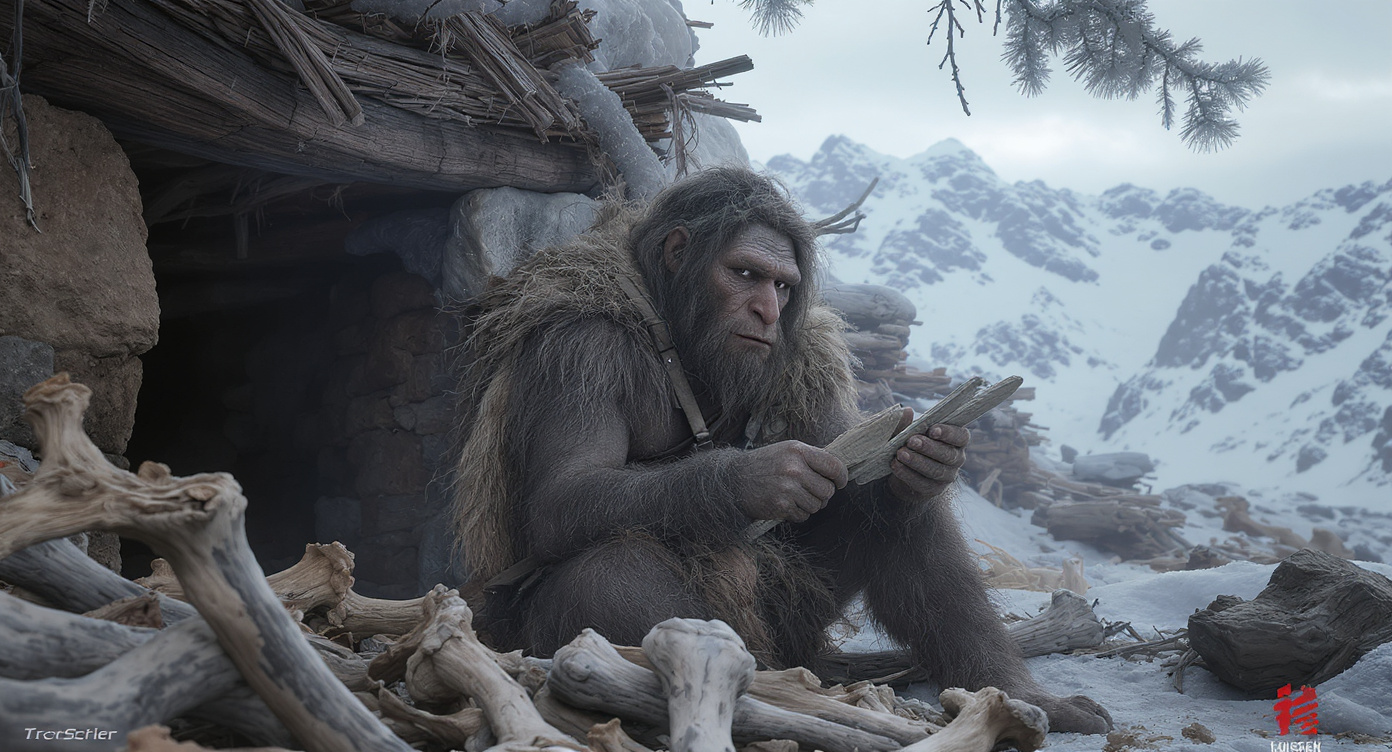
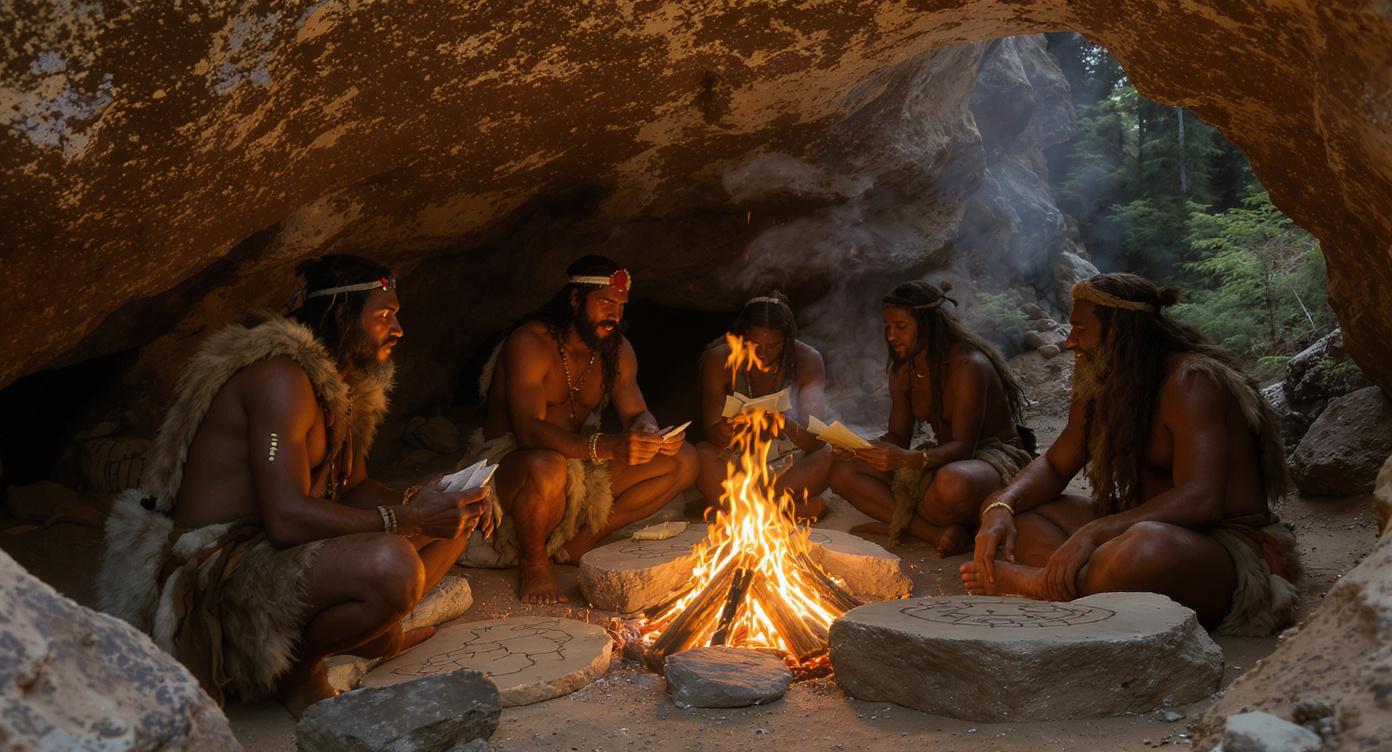
A new study shows that the disappearance of Neanderthals and the success of Homo sapiens in Europe were influenced not only by climate or competition, but by a complex combination of factors, including social connections. Interconnected populations and well-developed networks of interaction helped people share resources and overcome crises, which played a crucial role in their survival.
Genetic analysis of the Neanderthal from Denisova Cave revealed that Siberian populations lived in small, isolated groups, which accelerated the accumulation of mutations. The study also found evidence of gene exchange with Denisovans and significant differences between eastern and western Neanderthals.
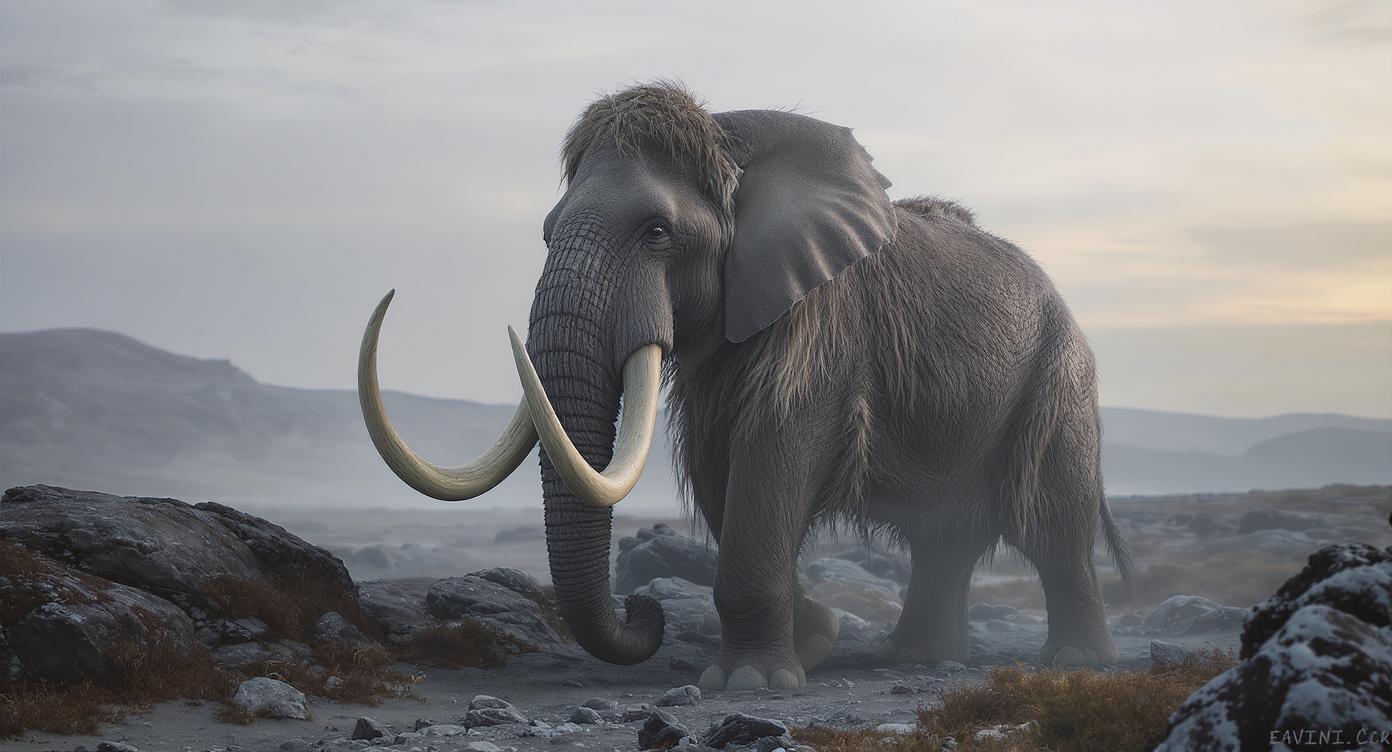
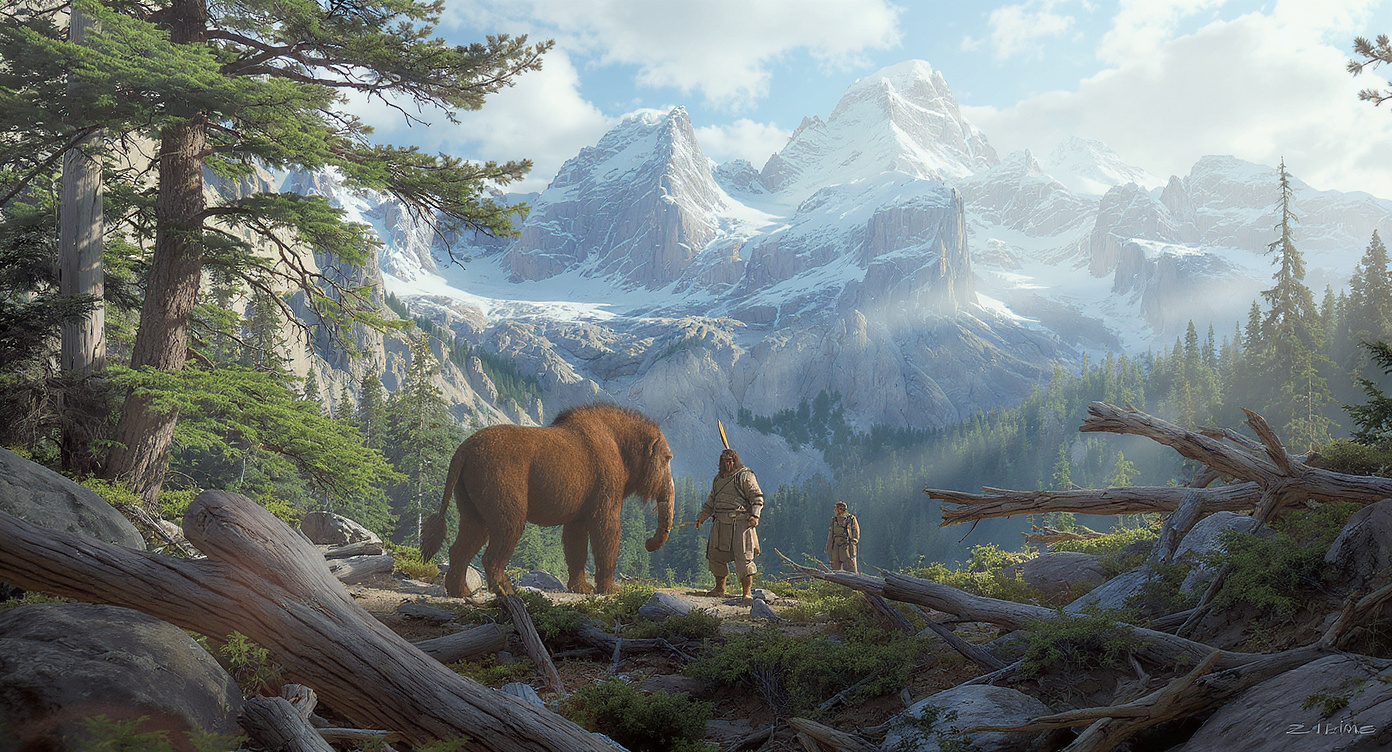
A new study has shown that Neanderthals primarily hunted adult male ancient elephants, as their solitary lifestyle made them more vulnerable compared to family groups.
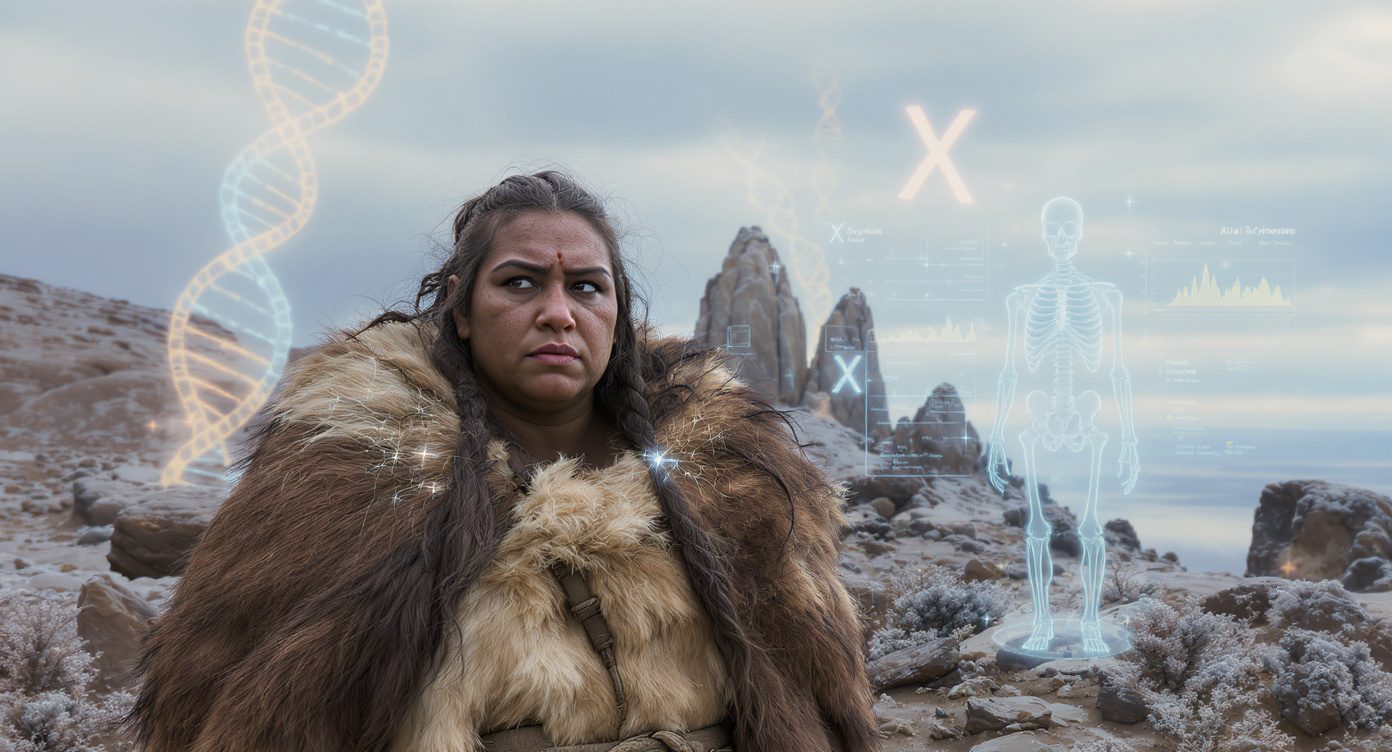
American geneticists have discovered that the absence of Neanderthal genes on the X chromosome in modern humans is not due to biological incompatibility, but rather to the mating preferences of ancient people. The study showed that Neanderthal men more often formed unions with Homo sapiens women, while hybrid men rarely left descendants, which influenced the genetic makeup of future generations.
A new study has shown that Neanderthals and ancient hunter-gatherers significantly influenced European ecosystems long before the advent of agriculture, altering vegetation through the use of fire and hunting.
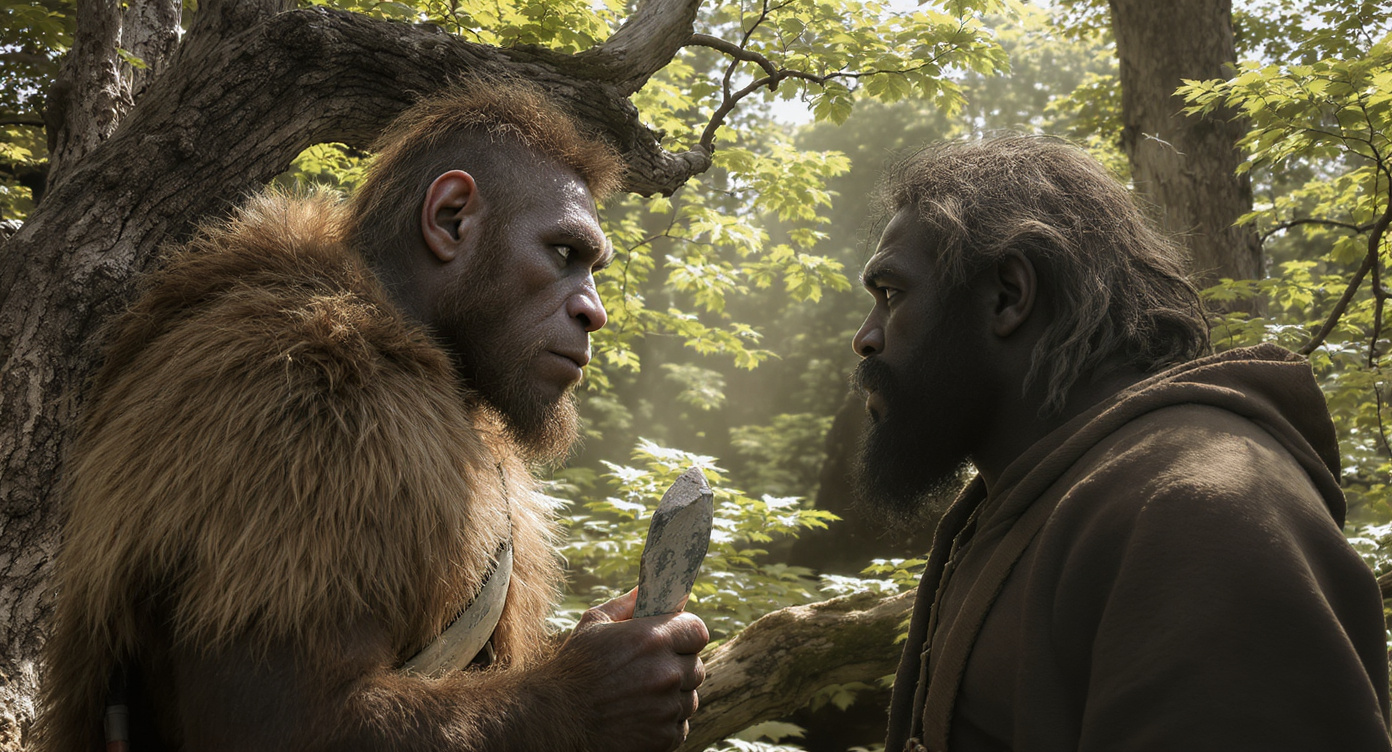
A new study reveals that Homo sapiens and Neanderthals regularly interacted and interbred across vast areas of Eurasia for thousands of years, not just in a single region. These prolonged interactions have left a significant mark on the genome of modern humans.
A new study suggests that the disappearance of Neanderthals may have been the result of gradual assimilation with Homo sapiens, rather than wars or catastrophes. Even infrequent but regular contact led to the near-complete absorption of Neanderthals into the population of modern humans.

 Cursus