

How Neanderthals Hunted Ancient Elephants
A new study has shown that Neanderthals primarily hunted adult male ancient elephants, as their solitary lifestyle made them more vulnerable compared to family groups.
Cursus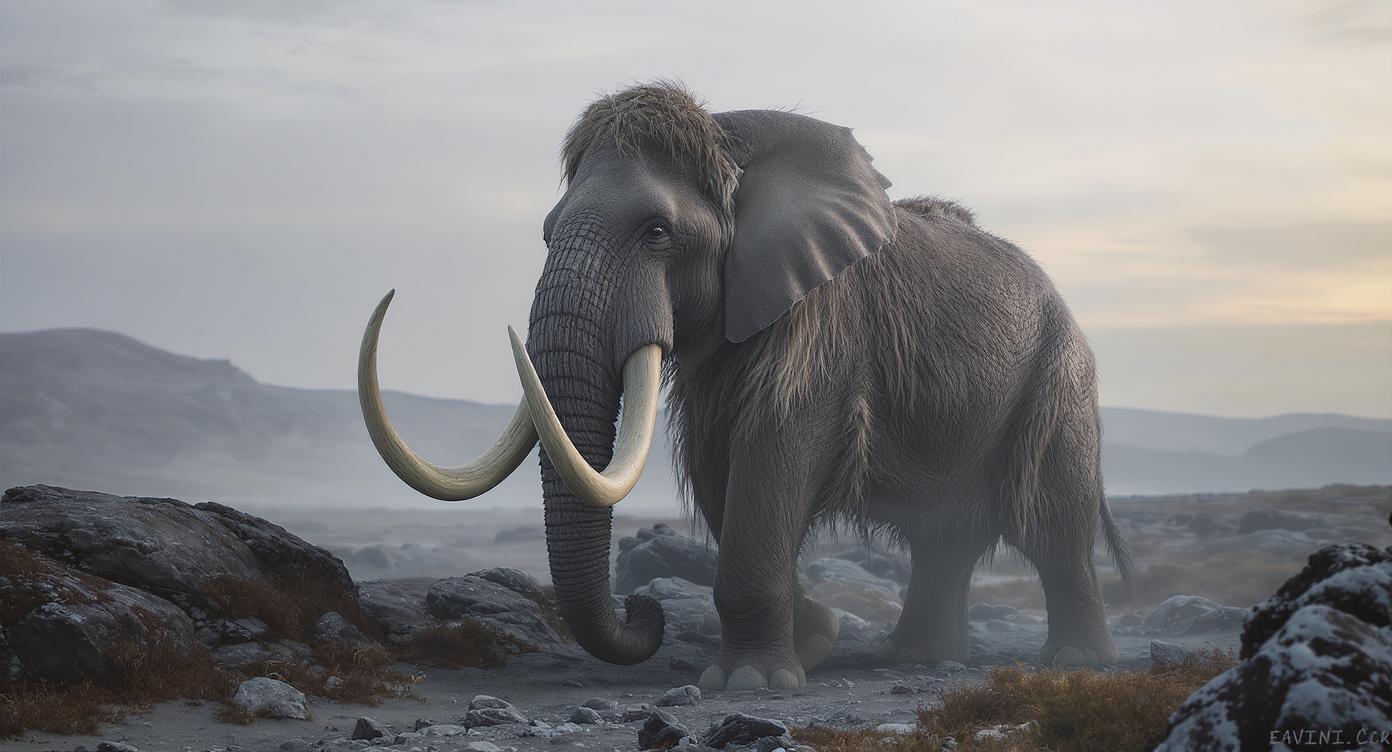
The question of how elephants became targets of Neanderthal hunting remains not fully understood. Research conducted in Germany has revealed that the lifestyle of straight-tusked elephants made them particularly suitable prey for ancient humans.
Characteristics of the Straight-Tusked Forest Elephant
The straight-tusked forest elephant (Palaeoloxodon antiquus) was the largest land mammal in Pleistocene Europe. Some individuals reached up to four meters at the shoulder and weighed as much as 13 tons, surpassing the size of modern African savanna elephants. During warm interglacial periods, these animals lived alongside Neanderthals. Archaeological findings indicate that ancient people used elephant bones to make tools and likely consumed their meat as food.
Questions of Hunting and Behavior
For a long time, it was unclear whether Neanderthals actively hunted these animals or simply scavenged their carcasses. There was also limited information about the behavioral ecology of the elephants themselves, including their migration routes, seasonal activity, and differences in lifestyle between males and females.
Research Methods
German scientists analyzed elephant tusks from ancient lake deposits at the Neumark-Nord site, formed about 125,000 years ago. The study used advanced methods to analyze tooth enamel, which can preserve chemical information about the animal’s habitat over several years. In particular, proteomic analysis was conducted, allowing researchers to determine the sex of four studied individuals based on specific sequences of the amelogenin protein, which is characteristic of the Y chromosome.
Additionally, strontium isotope analysis was performed. The ratio of isotopes in dental tissue reflects the geological substrate of the area where the animal fed during enamel formation. Laser micro-sampling of tooth cross-sections provided data on elephant mobility. To interpret these results, a strontium isotope map of northeastern Germany was created.
Analysis Results
Three of the four studied individuals were males, and one was likely a female. Isotope data revealed two different behavioral strategies. Two elephants (a male and, presumably, a female) showed isotope signals close to the local background, indicating they lived in the Neumark-Nord area for a long time. The other two males had significantly higher and more variable values, suggesting they migrated up to 300 kilometers from where they died. These males apparently arrived at Neumark-Nord as adults.
The local female fed in the typical semi-open landscapes of that era, while one of the migrating males showed signs of living in dense forests.
Conclusions
The study showed that lake basins served as natural gathering points for elephants from different populations, who came there to drink. Neanderthals, who lived in these areas for millennia, possessed deep knowledge of animal behavior. The predominance of adult males among the hunted elephants is explained by their solitary lifestyle, which made them more vulnerable compared to females, who lived in close-knit family groups.