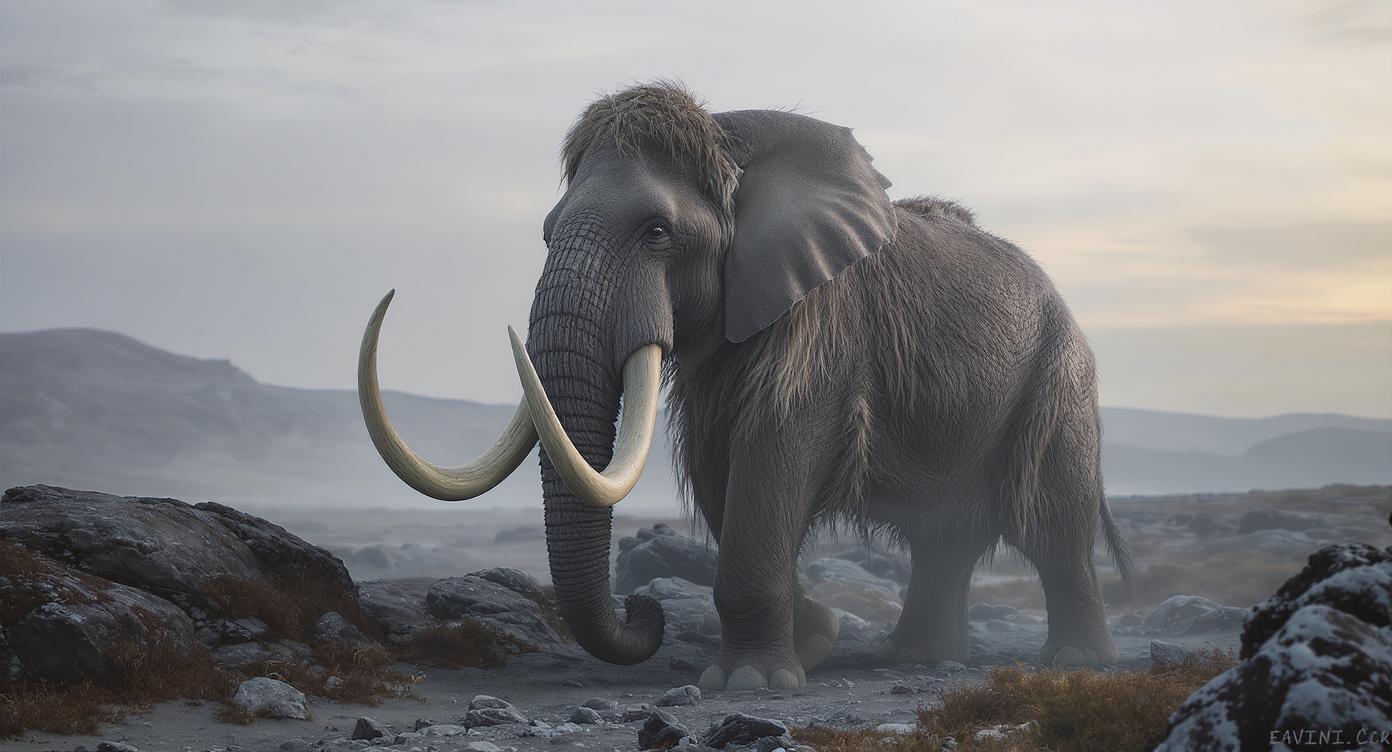
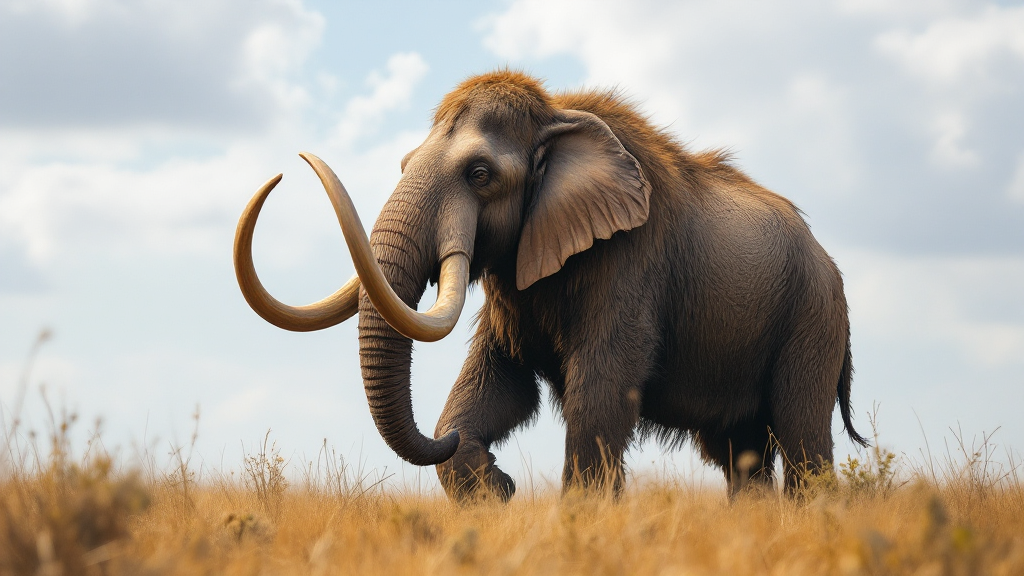
A new DNA study of mammoth remains has revealed that ancient humans primarily hunted females rather than males. This selective hunting may have affected the population size of the species and accelerated their extinction.
A new study has found that birds tend to fly away sooner when approached by women than by men, regardless of country or species. Scientists are now discussing possible reasons for this behavior.
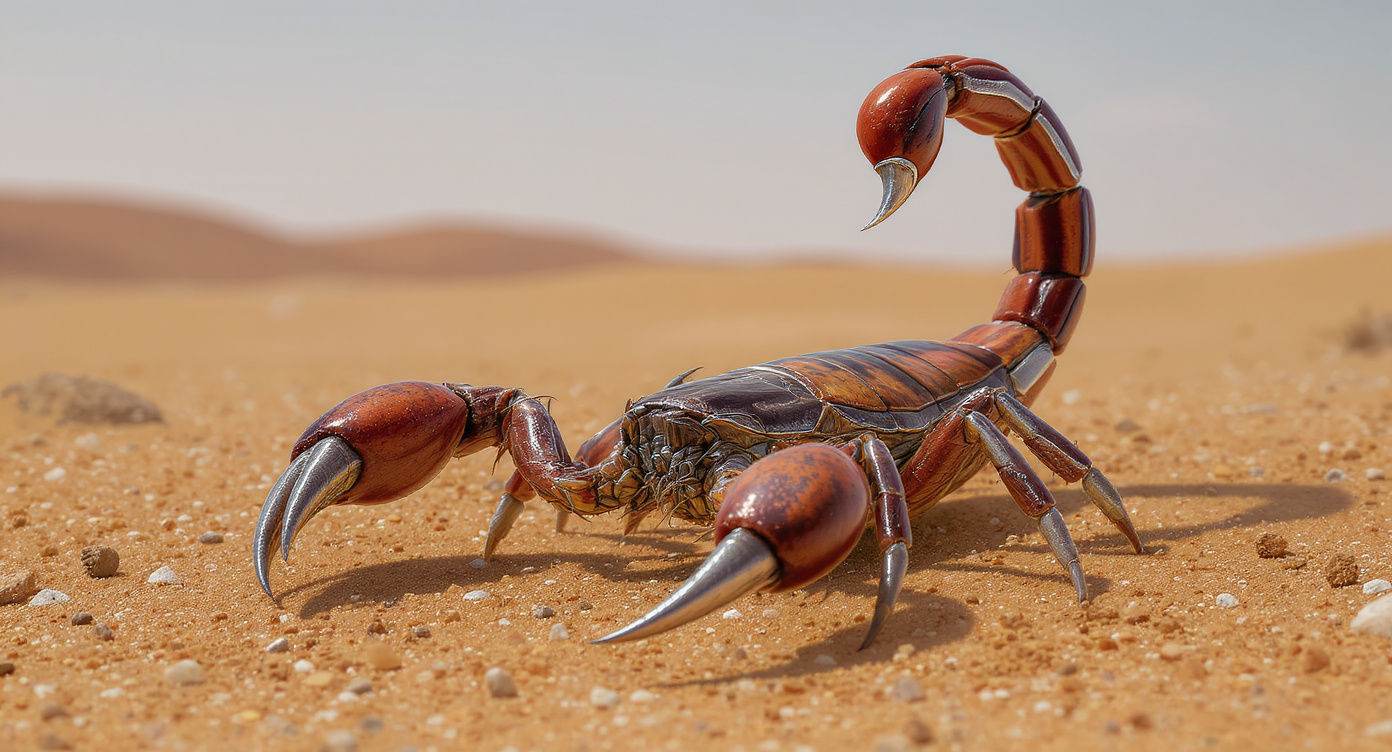
A new study has shown that the stingers and pincers of scorpions contain certain metals that strengthen their structure. The distribution of these elements is linked to the specific hunting and defense strategies of different species.
A new study has revealed that the bow and arrow spread across the western part of North America about 1,400 years ago, appearing almost simultaneously in different regions. This challenges the theory of gradual diffusion and suggests that the technology was rapidly adopted thanks to cultural connections between groups.
A new study has shown that Neanderthals primarily hunted adult male ancient elephants, as their solitary lifestyle made them more vulnerable compared to family groups.
Brazilian zoologists, using video analysis from social networks, have discovered that urban cats most often hunt grasshoppers, crickets, cicadas, and cockroaches. This approach helps to supplement traditional methods of studying the diet of domestic cats.
For the first time, scientists have observed orcas and dolphins hunting together for Pacific salmon off the coast of Canada. Using advanced technology, researchers discovered that these species not only coordinate their actions underwater but also share their catch, challenging previous assumptions about their interactions.

 Cursus