A study in Germany found that streetlights with warm light attract nearly half as many nocturnal insects compared to cold lamps, reducing insect deaths caused by artificial lighting. This approach could help preserve insect populations and support ecosystems.
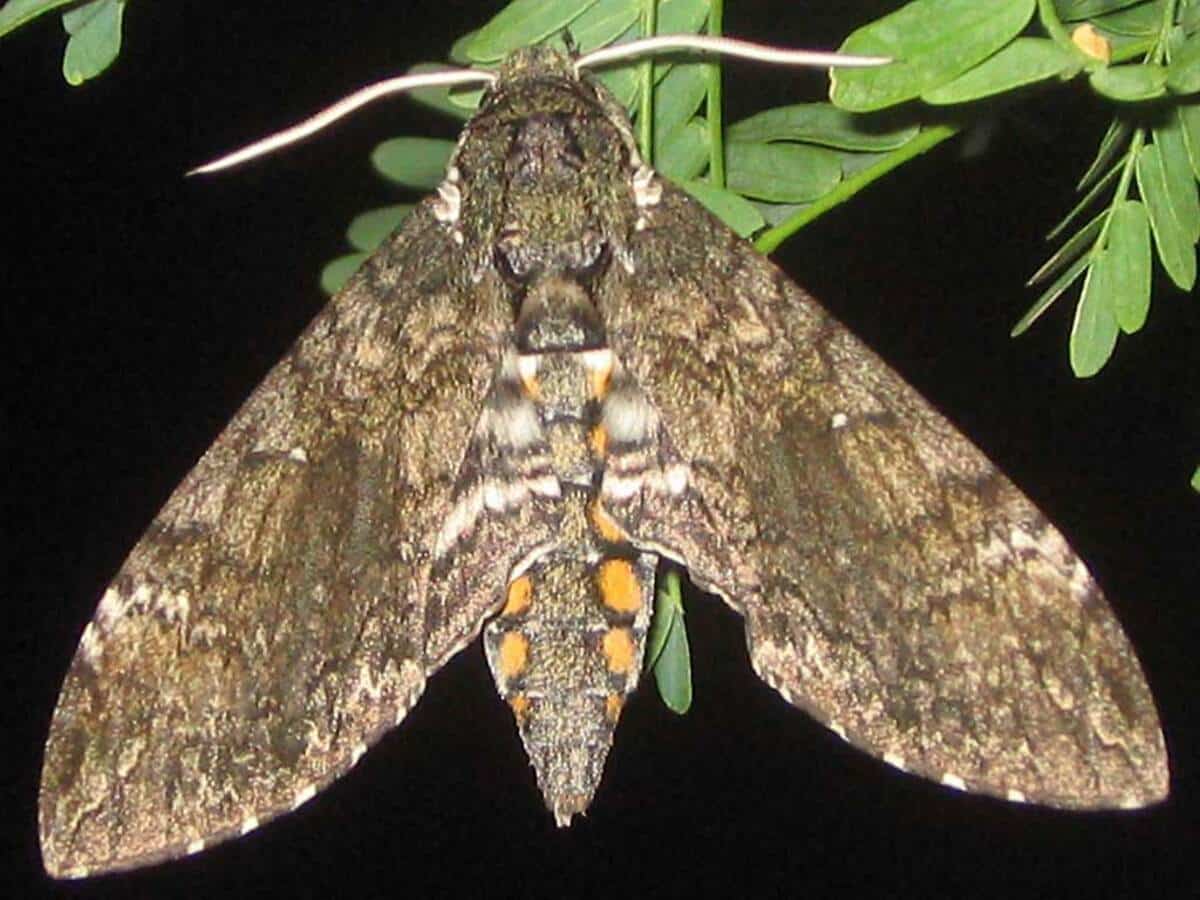
A new study has shown that the wings of the tobacco hawk moth can independently detect scents characteristic of their host plants. This finding broadens our understanding of the insect olfactory system, revealing its complexity and how it is distributed throughout the body.
A new study reveals that scientists have identified less than 5% of all terrestrial insect species, and the actual diversity may exceed 20 million species. Most of these insects live in remote tropical forests that are difficult to access.
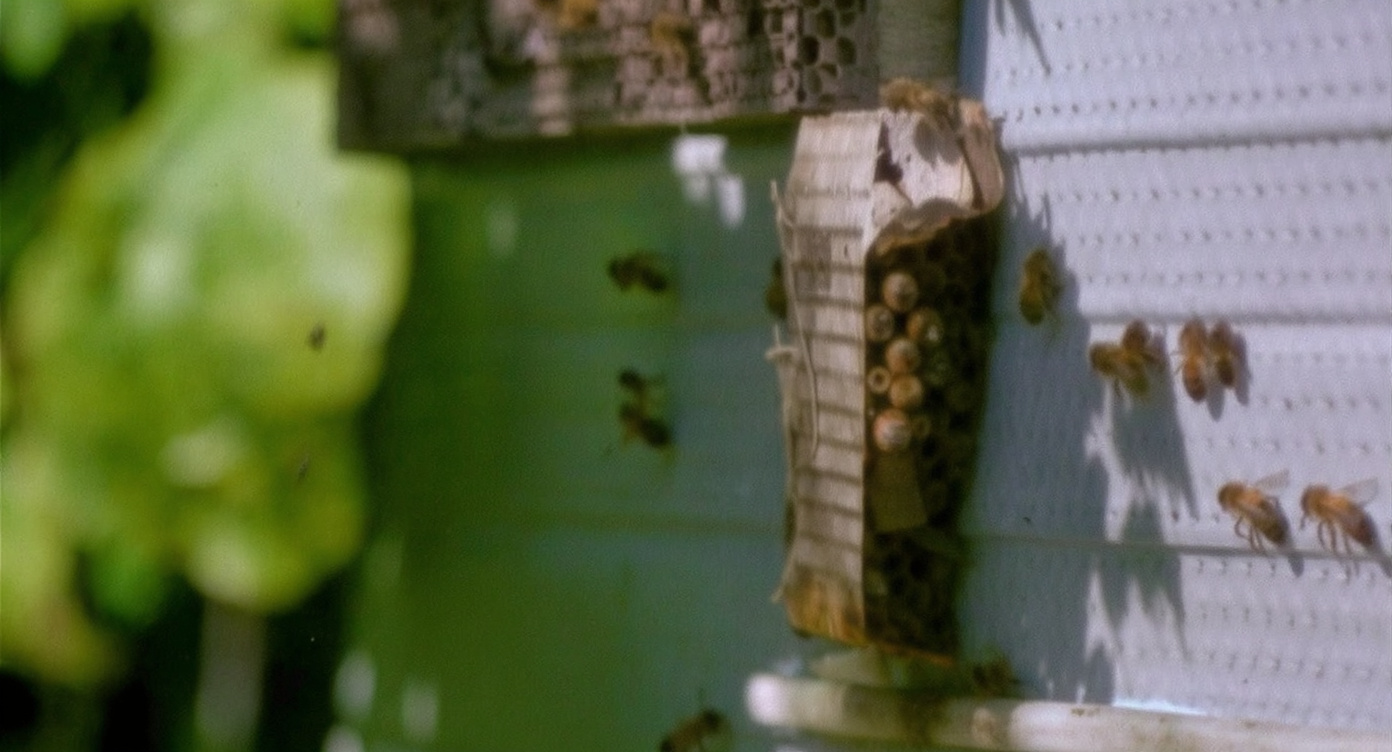
The study showed that bumblebees are able to distinguish complex rhythms and abstract temporal patterns, despite having a simple brain and lacking advanced hearing. This discovery offers new insights into the cognitive abilities of insects.
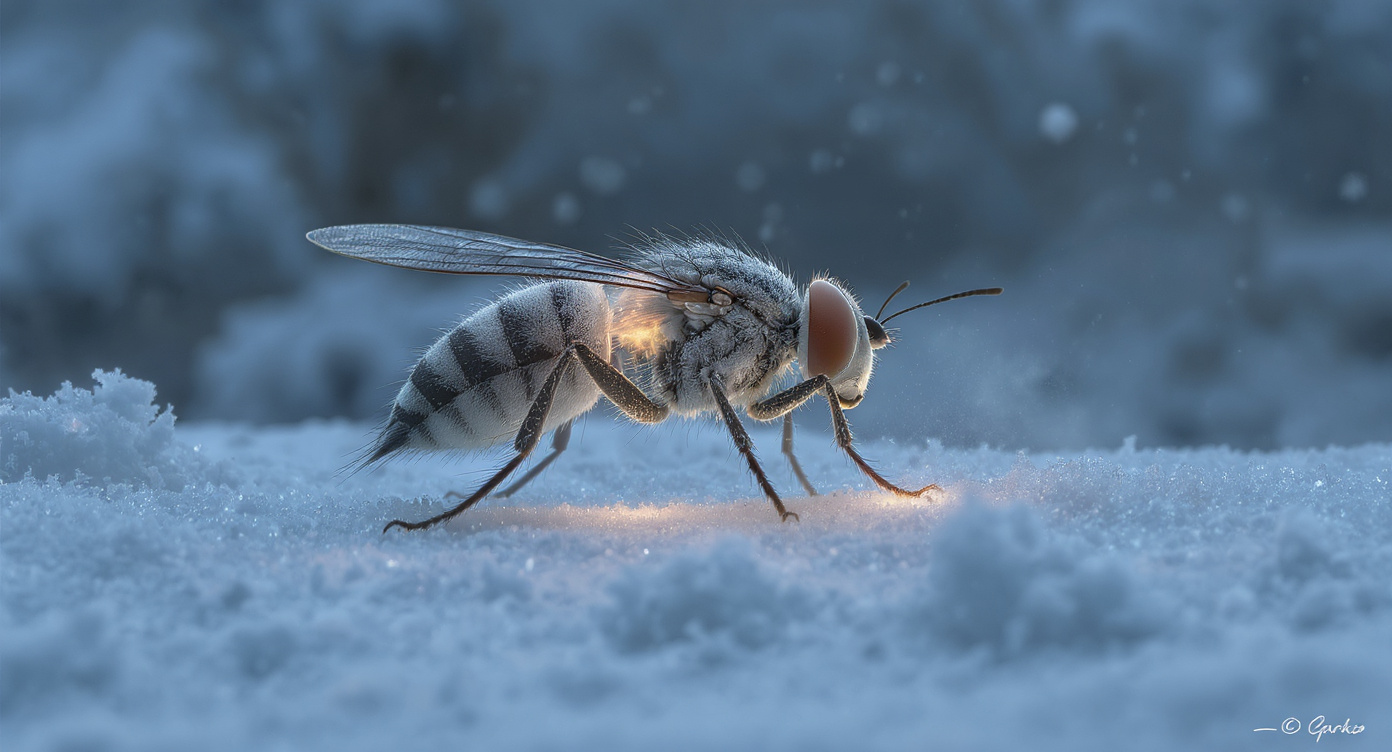
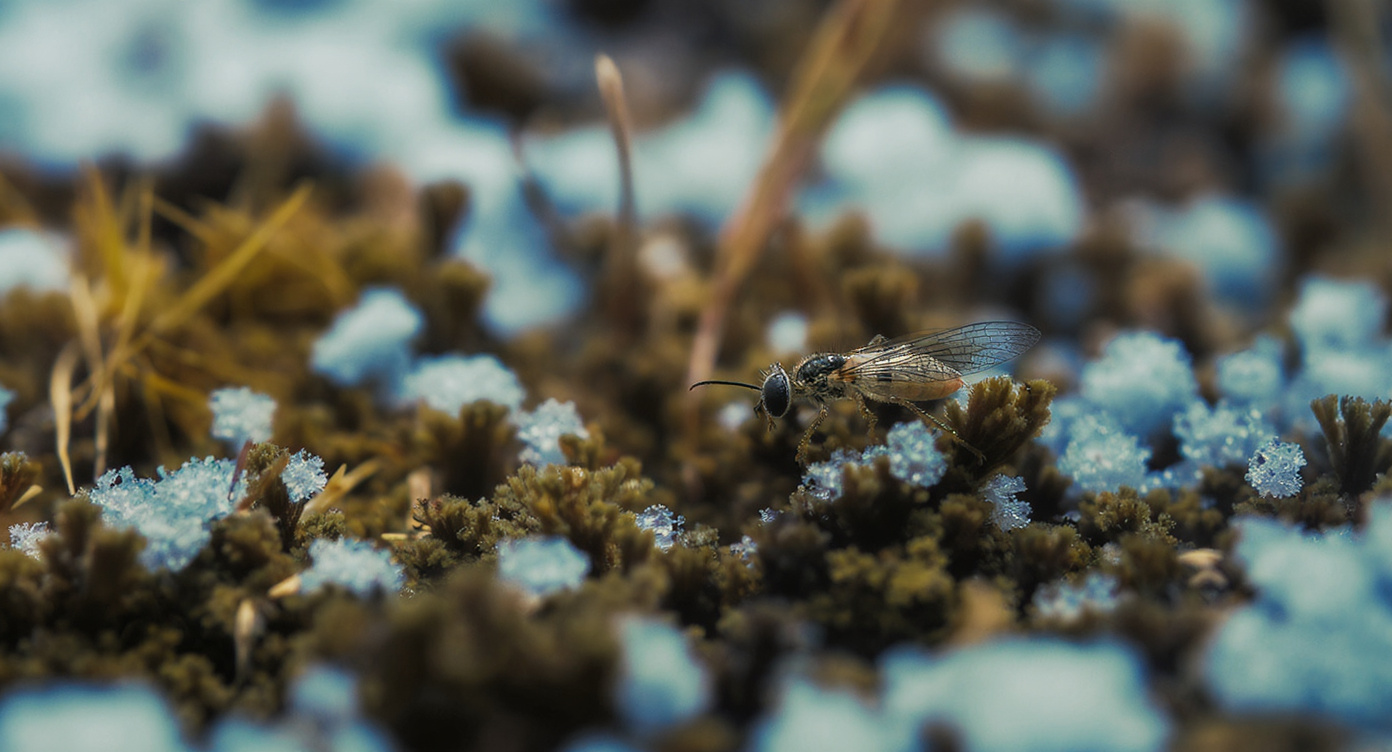
Scientists have decoded the genome of the snow fly Chionea alexandriana and discovered how this insect remains active at subzero temperatures. The fly combines internal heating, the production of antifreeze proteins, and reduced sensitivity to oxidative stress, which allows it to survive and move across snow even at –7°C.
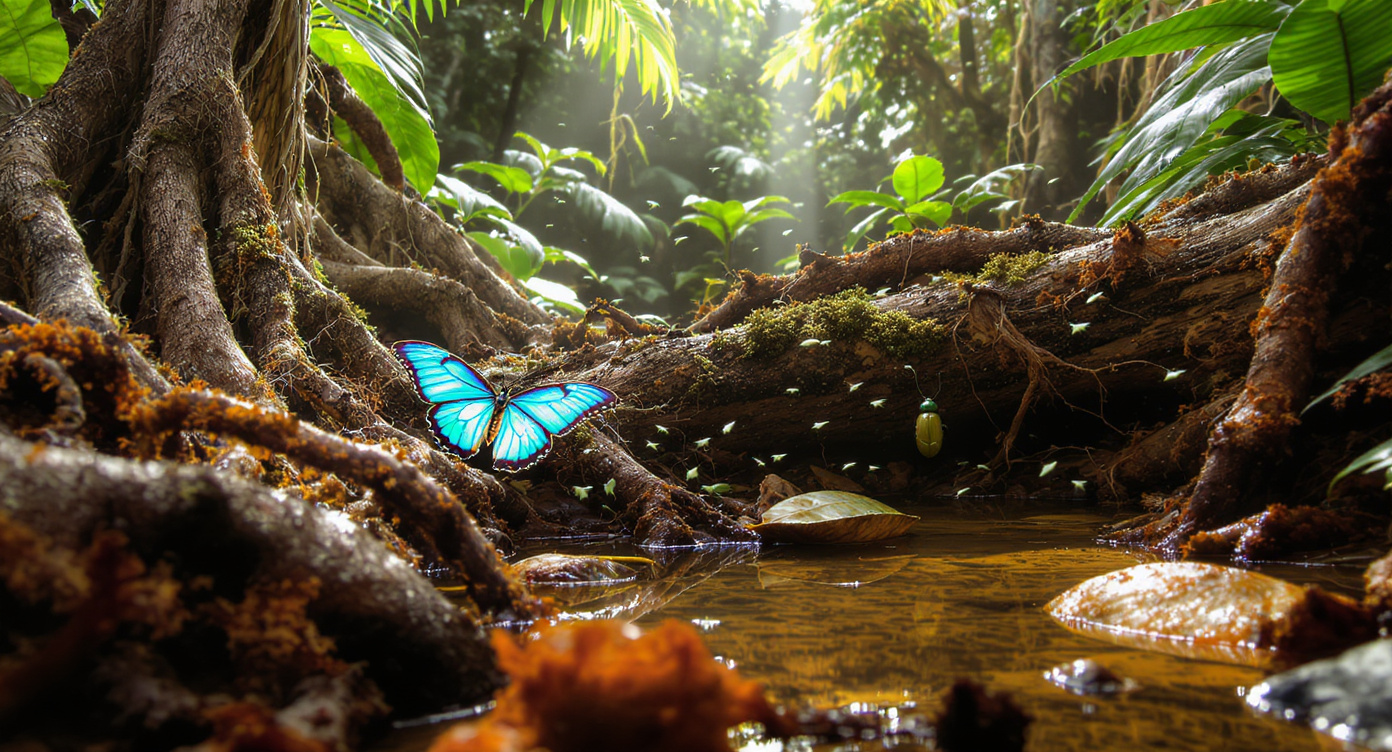
A new study has shown that tropical insects have a limited ability to adapt to rising temperatures caused by climate change. This could threaten up to half of the species in regions such as the Amazon and impact entire ecosystems.
A new study has shown that flea and tick treatments for pets may pose a threat to insects in natural ecosystems, disrupting important ecological processes. Residues from these products, when released into the environment through animal feces, can negatively affect species that feed on dung.
Новое исследование показало, что даже единственный коренной вид насекомых Антарктиды уже сталкивается с микропластиком. Учёные обнаружили пластиковые частицы внутри личинок Belgica antarctica, что свидетельствует о проникновении загрязнения даже в самые изолированные экосистемы планеты.
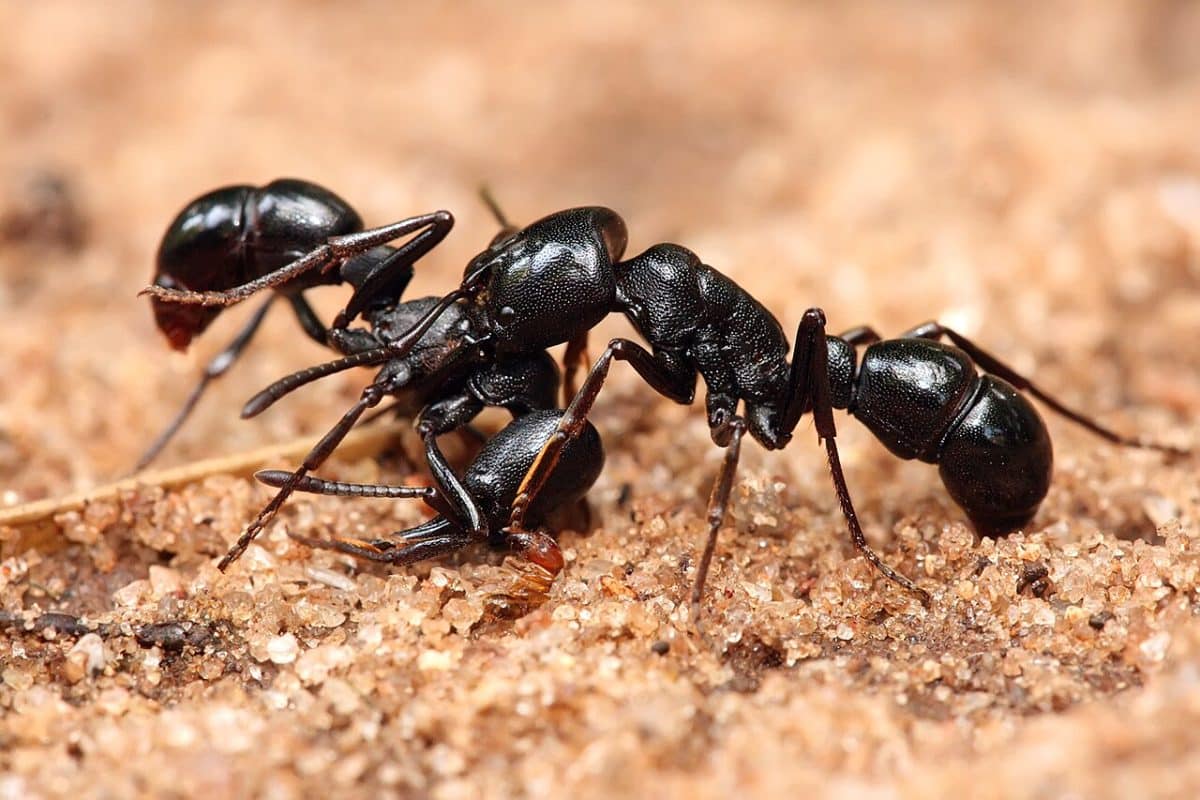
Brazilian zoologists, using video analysis from social networks, have discovered that urban cats most often hunt grasshoppers, crickets, cicadas, and cockroaches. This approach helps to supplement traditional methods of studying the diet of domestic cats.
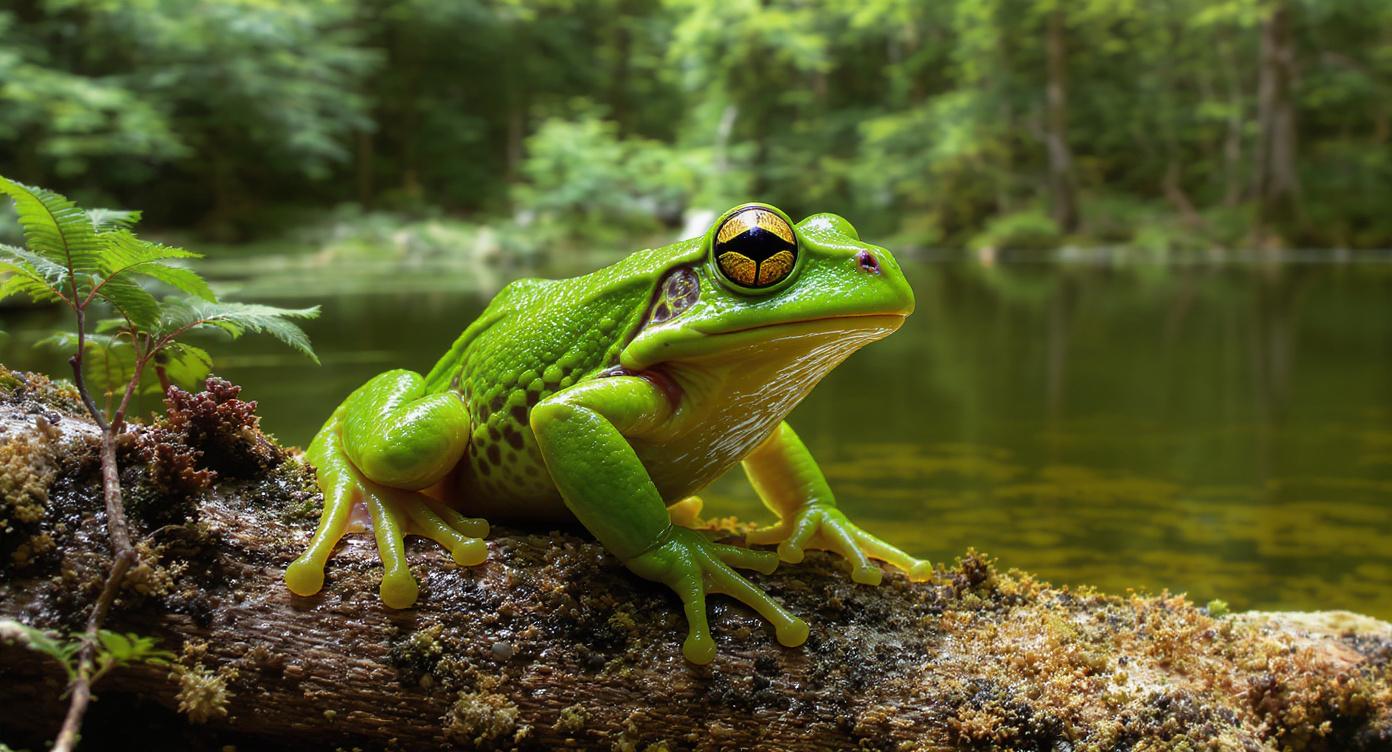
Japanese pond frogs can safely eat giant hornets, whose sting is deadly to many animals. Studying this phenomenon could help develop new painkillers and anti-inflammatory drugs.
The study revealed that bumblebees can distinguish the duration of light signals and use this information to make decisions—a skill previously thought to be unique to vertebrates. This discovery offers new insights into how insect nervous systems function.


 Natura