A new study has shown that when choosing between risk and safety, two independent regions of the cortex interact in the brain. This discovery helps to better understand the nature of doubt and could lead to new methods for treating anxiety disorders.
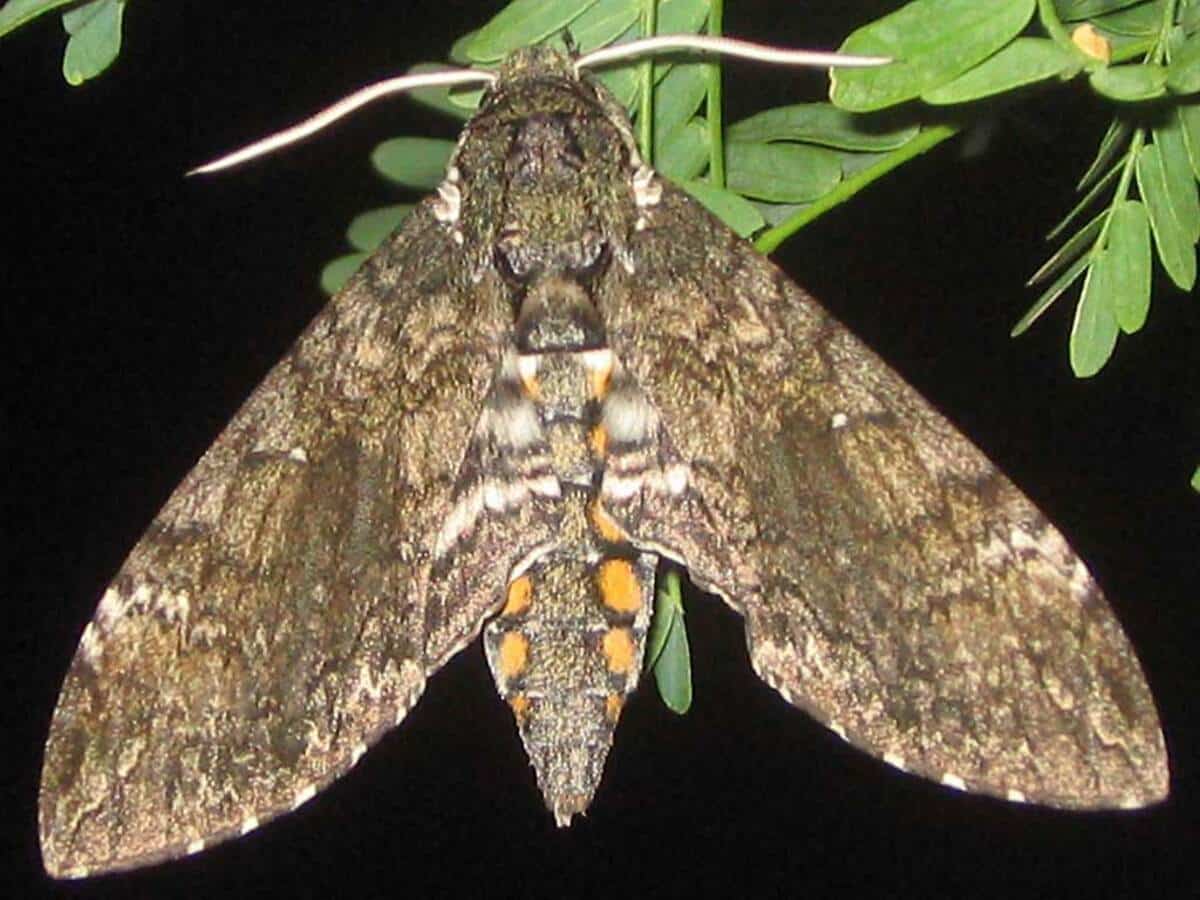
A new study has shown that the wings of the tobacco hawk moth can independently detect scents characteristic of their host plants. This finding broadens our understanding of the insect olfactory system, revealing its complexity and how it is distributed throughout the body.
Long-term studies have shown that some people over the age of 80 maintain memory and mental sharpness at a level comparable to much younger individuals. Examining their brains and lifestyles helps us understand the mechanisms behind resilience to dementia and may lead to new strategies for preventing age-related cognitive decline.
Scientific studies show that lucid dreaming alters brain activity and can help people cope with nightmares and PTSD symptoms. However, more research is needed to confirm the effectiveness of this type of therapy.
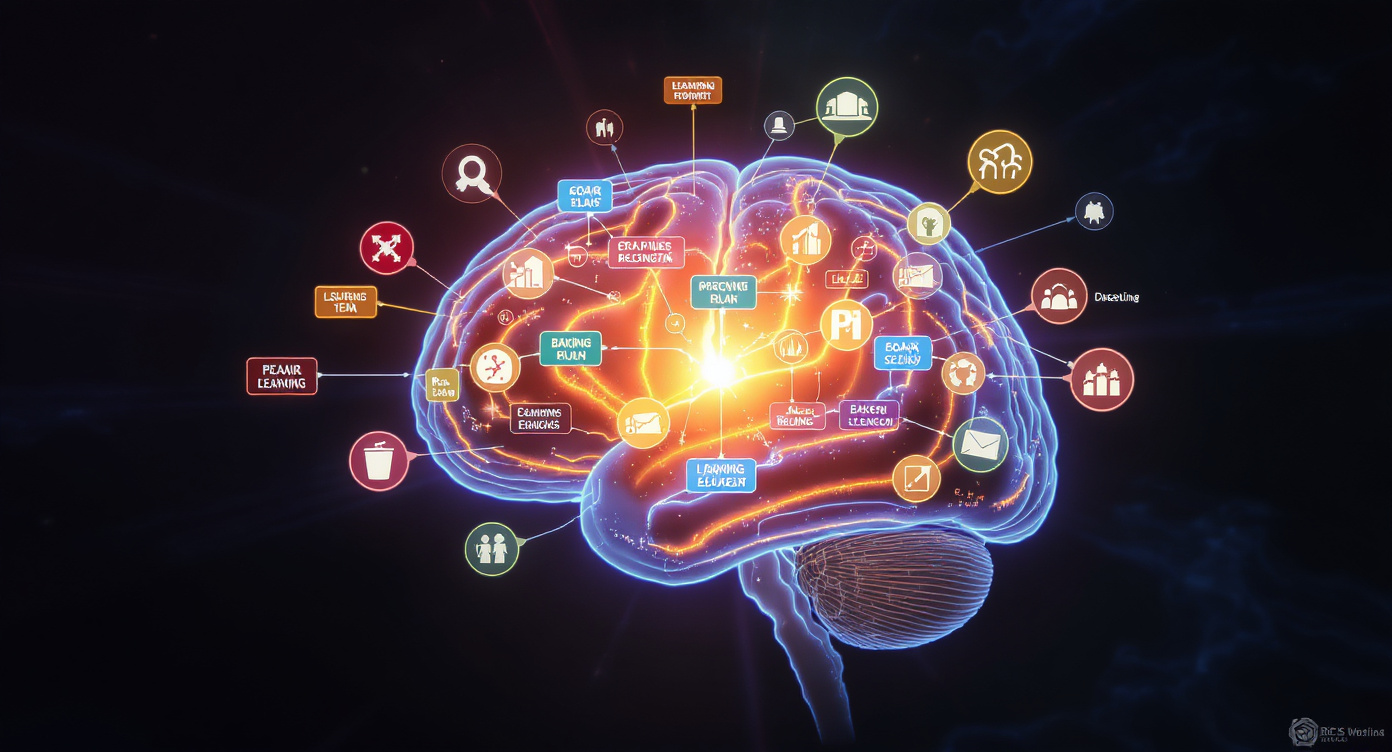
A new study has shown that the human brain quickly adapts to new tasks thanks to its ability to flexibly combine existing skills—something that current AI systems are still unable to do. These findings could help advance artificial intelligence and improve therapies for cognitive disorders.
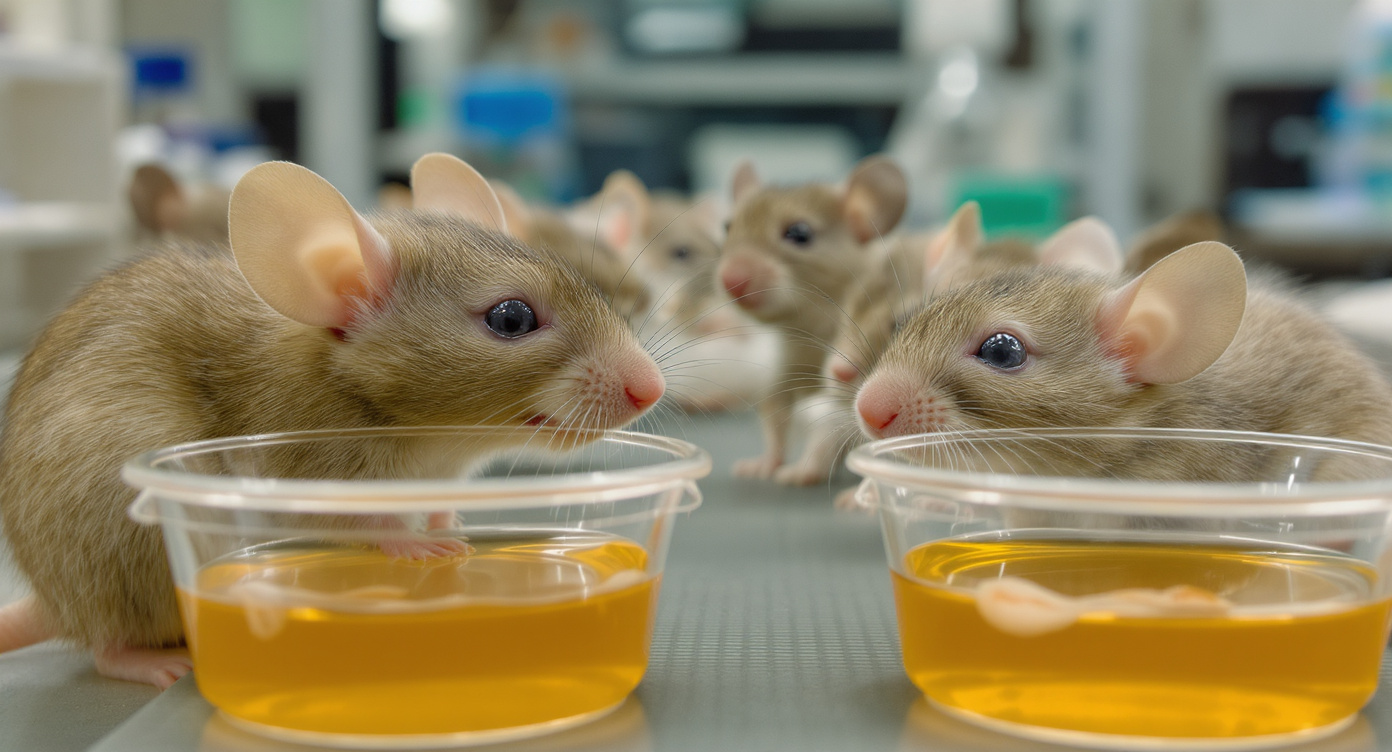
Studies have shown that by observing the facial expressions of mice, it is possible to determine not only their emotions but also their decision-making strategies. Analyzing subtle facial movements reveals complex cognitive processes and the simultaneous consideration of alternatives, opening up new possibilities for non-invasive diagnosis of mental and neurodegenerative disorders.
American scientists have discovered how the brain fills in missing details, creating illusions based on past experiences. Experiments with mice revealed that certain neurons respond to illusory contours even in the absence of a visual stimulus.

 Cursus