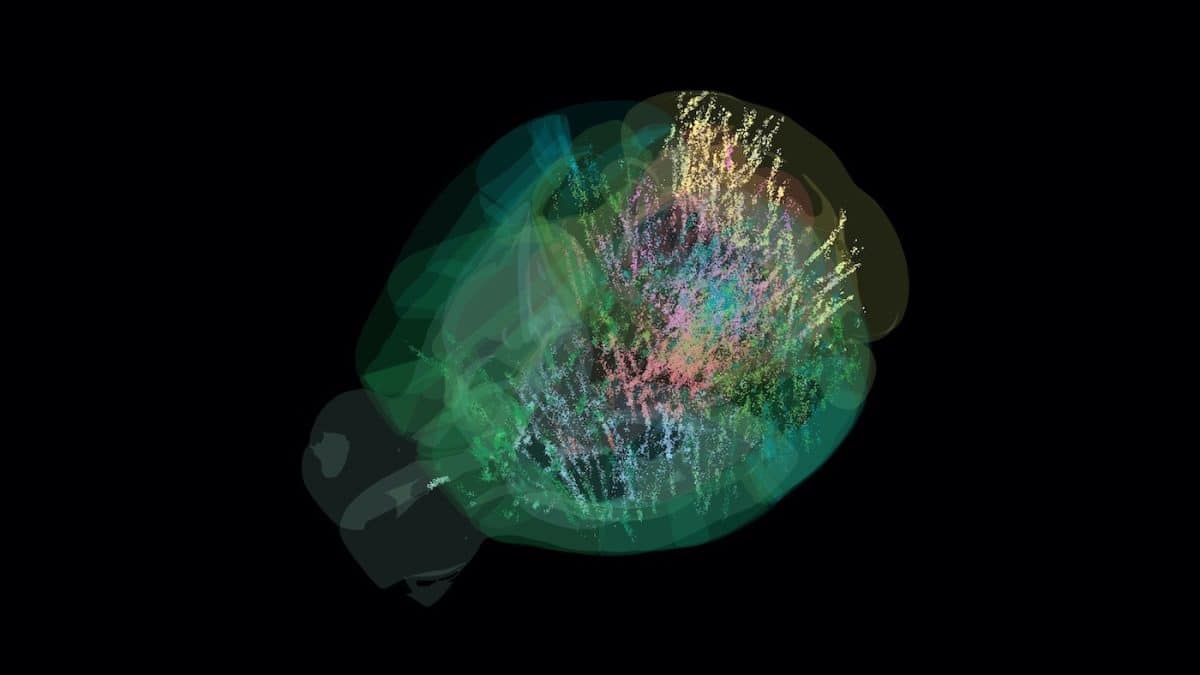
A new study has shown that when choosing between risk and safety, two independent regions of the cortex interact in the brain. This discovery helps to better understand the nature of doubt and could lead to new methods for treating anxiety disorders.
Industrial artificial intelligence systems can significantly boost manufacturing efficiency, but their success depends on engineers’ trust in AI recommendations and the transparency of its decisions. Only when AI’s conclusions are clear, well-founded, and linked to operational data do these technologies become a true source of value for enterprises.
Studies have shown that by observing the facial expressions of mice, it is possible to determine not only their emotions but also their decision-making strategies. Analyzing subtle facial movements reveals complex cognitive processes and the simultaneous consideration of alternatives, opening up new possibilities for non-invasive diagnosis of mental and neurodegenerative disorders.
A new large-scale study has revealed that expectations and decision-making are not formed in separate centers of the brain, but rather through a distributed network spanning multiple regions. This discovery changes our understanding of how the brain works and highlights its complex, interconnected structure.

 Cursus