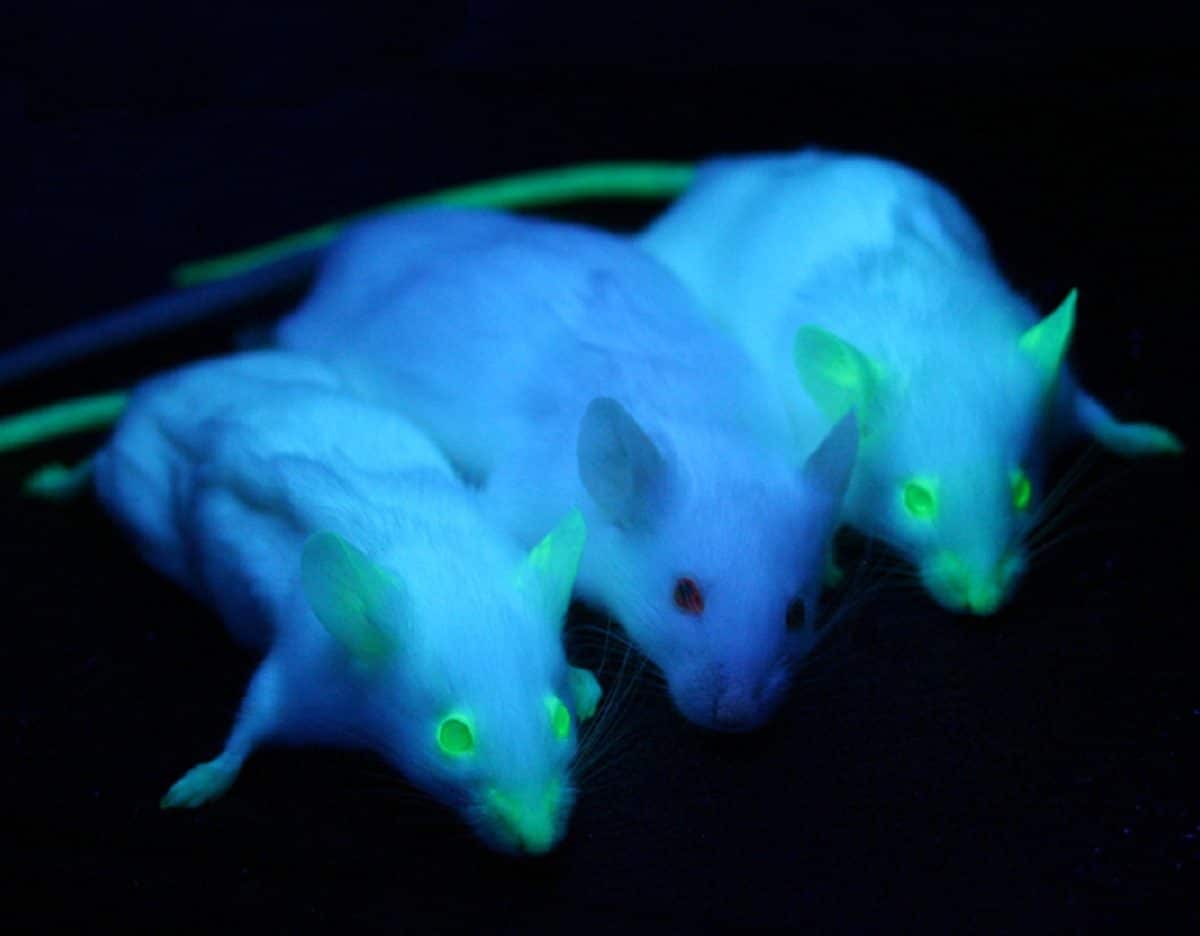
Researchers have developed a method to reconstruct videos based on the brain activity of mice, opening up new possibilities for studying how the brain transforms visual signals into internal representations. This work provides deeper insight into the differences between objective reality and the way the brain perceives the world.
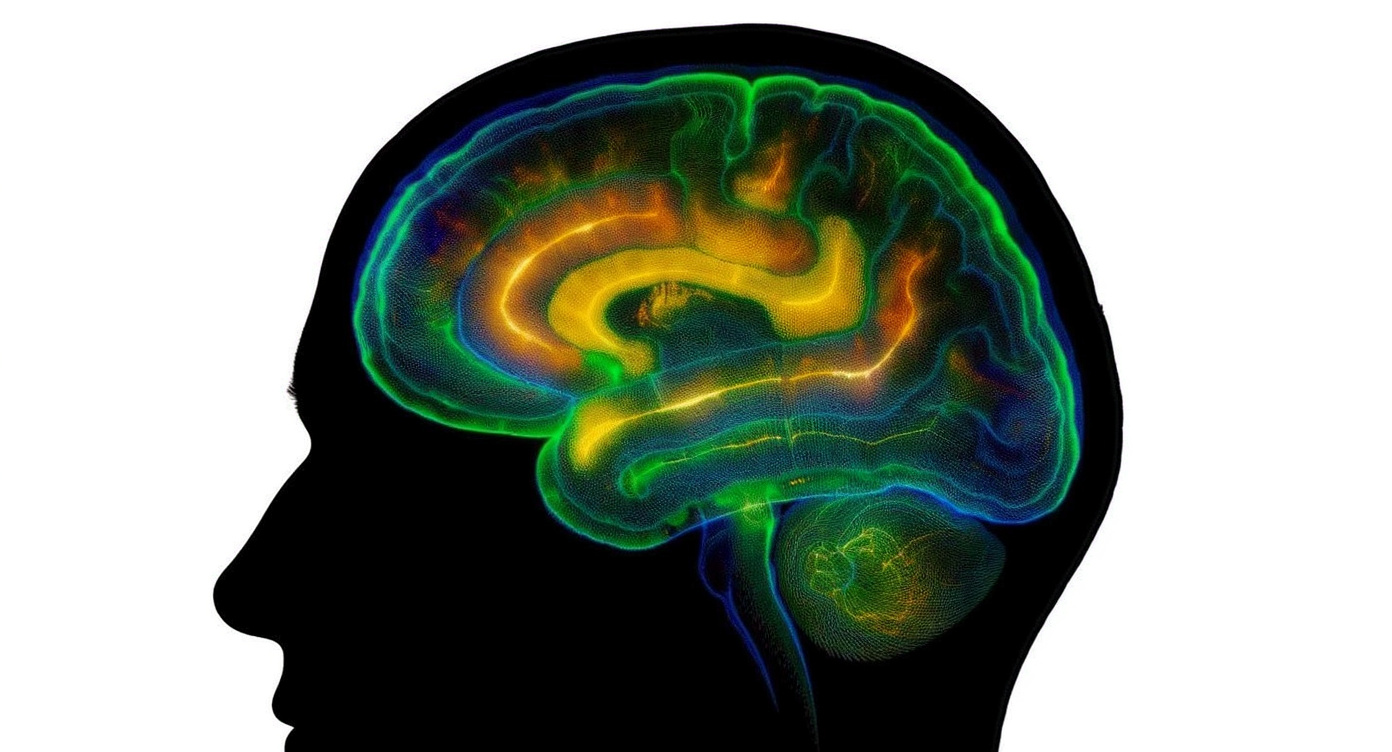
A new study has shown that speaking multiple languages can slow down brain aging: for bilingual people, the brain appears up to 6 years younger, while for those who speak four languages, it can look up to 13 years younger. This effect is even stronger if language learning begins early and proficiency is high.
A new study has shown that exceptional memory in older adults cannot be explained solely by a low genetic risk for Alzheimer's disease. Other biological, behavioral, and social factors also play an important role in maintaining cognitive health.
A single dose of psilocybin leads to changes in brain activity and structure that persist for several weeks and are associated with improved well-being and psychological insight. These findings broaden our understanding of psilocybin’s therapeutic potential for mental health disorders.
American neurobiologists have demonstrated that artificially reproducing brain activity typical of sleep in awake mice can help restore memory without the need for full sleep. In the future, researchers plan to test this method on humans, but for now, it is not possible to completely replace sleep.
The study showed that bumblebees are able to distinguish complex rhythms and abstract temporal patterns, despite having a simple brain and lacking advanced hearing. This discovery offers new insights into the cognitive abilities of insects.
A new study has shown that vivid and immersive dreams can actually enhance the feeling of deep, restorative sleep rather than disrupt it. This discovery helps to better understand the subjective perception of sleep quality and its connection to mental well-being.
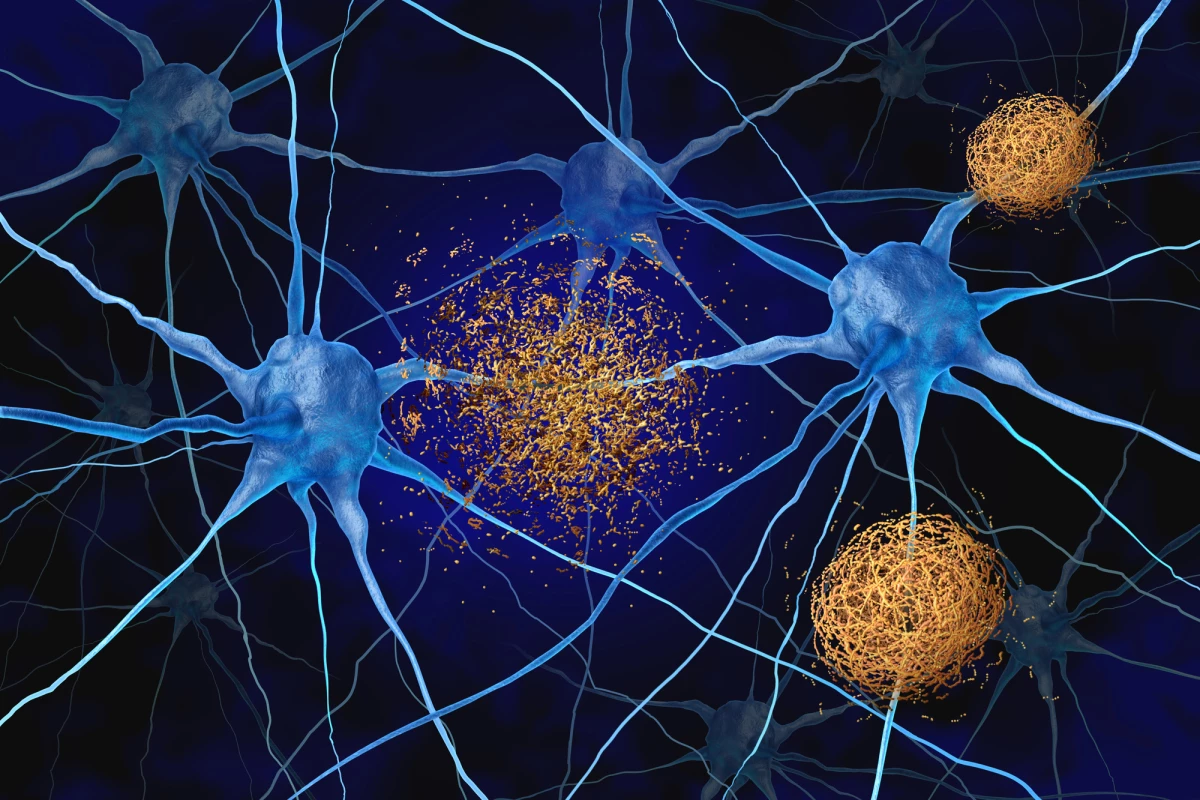
Scientists have discovered a molecule produced by certain cancer cells that helps the brain clear out harmful proteins associated with Alzheimer's disease. This finding could lead to new approaches in the prevention of neurodegenerative disorders.
Scientists are exploring the possibility of using EEG to restore movement in people with spinal cord injuries, offering a non-invasive alternative to implants. This method already allows researchers to detect attempts at movement, and there are plans to further develop it for controlling limb stimulators.
Researchers have developed the ComSLI method, which enables highly accurate and accessible visualization of fiber microstructure in tissues and the brain, including old archival samples. This breakthrough opens up new possibilities for studying tissue changes in diseases and analyzing previously inaccessible information.
New research indicates that mental disorders may be linked to disruptions in the brain cells' energy metabolism, not just to chemical imbalances. This perspective paves the way for more accurate diagnosis and more effective treatment.
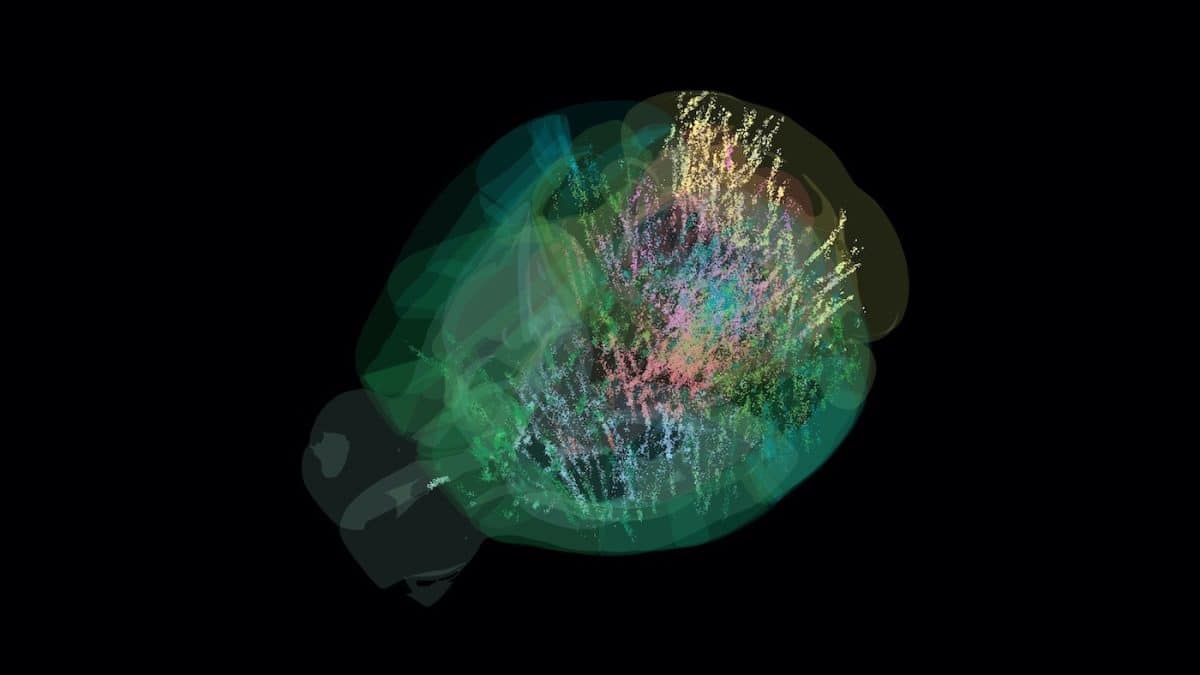
A new large-scale study has revealed that expectations and decision-making are not formed in separate centers of the brain, but rather through a distributed network spanning multiple regions. This discovery changes our understanding of how the brain works and highlights its complex, interconnected structure.


 Cursus