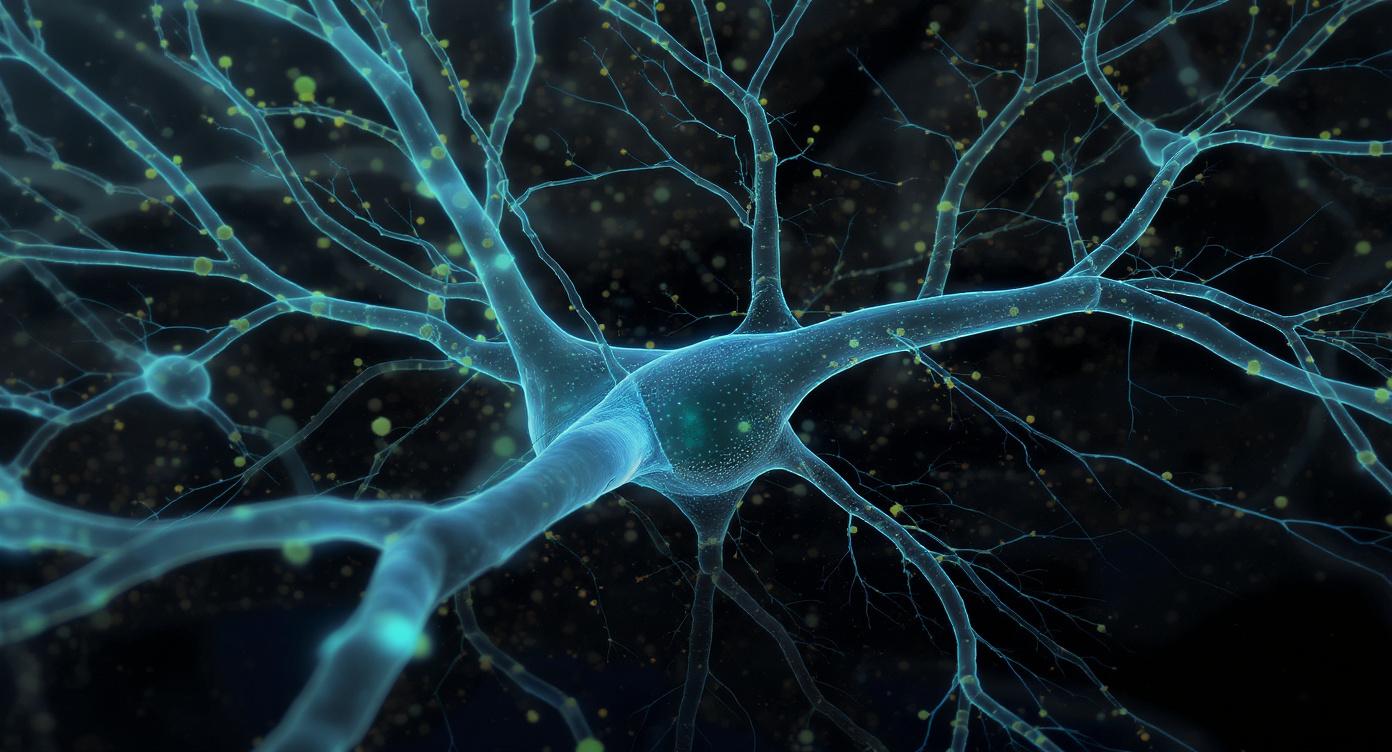
A new study has found that different microglial responses in the brain may explain why some people are more resistant to dementia in Alzheimer's disease. These findings open up new possibilities for developing therapies aimed at supporting the brain's protective microglial functions.
American scientists have developed an experimental nasal spray that reduces neuroinflammation and restores cognitive function in age-related brain changes. In animal studies, the drug demonstrated improved memory and good tolerability. The next step is clinical trials in humans.
A new study has found that depression is linked to changes in certain types of brain cells responsible for mood and immune functions, opening up possibilities for new treatment methods.
A new study has shown that taking medications against toxoplasmosis and receiving a herpes vaccine are associated with a reduced risk of developing Alzheimer's disease. However, scientists emphasize that these findings require further confirmation.
Scientists have discovered a new mechanism for tissue regeneration after spinal cord injuries, strokes, and multiple sclerosis, which is linked to the activity of astrocytes. This breakthrough could lead to new methods for treating neurological diseases.
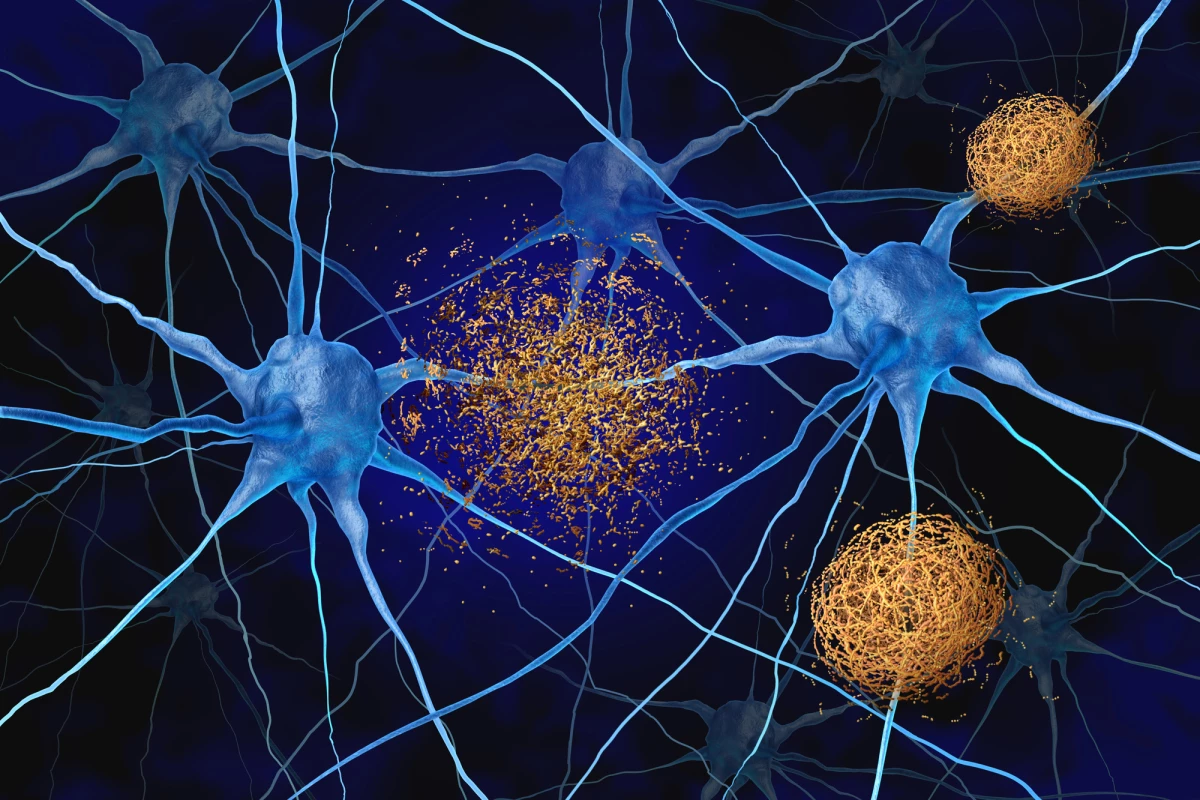
Scientists have discovered a molecule produced by certain cancer cells that helps the brain clear out harmful proteins associated with Alzheimer's disease. This finding could lead to new approaches in the prevention of neurodegenerative disorders.
Scientists have discovered that two types of immune cells in the brain regulate anxiety in different ways: some increase it, while others suppress it. This finding could lead to new approaches in the treatment of mental disorders.


 Salus
Salus