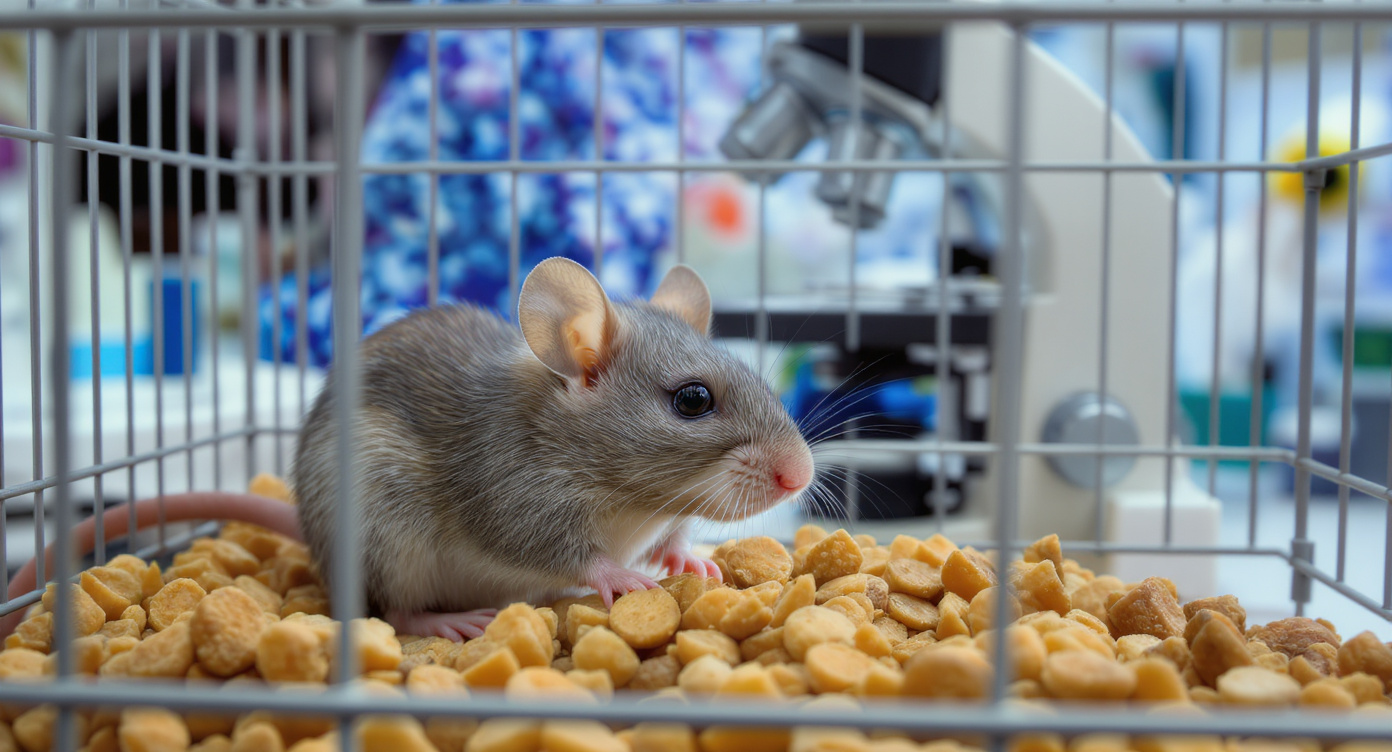
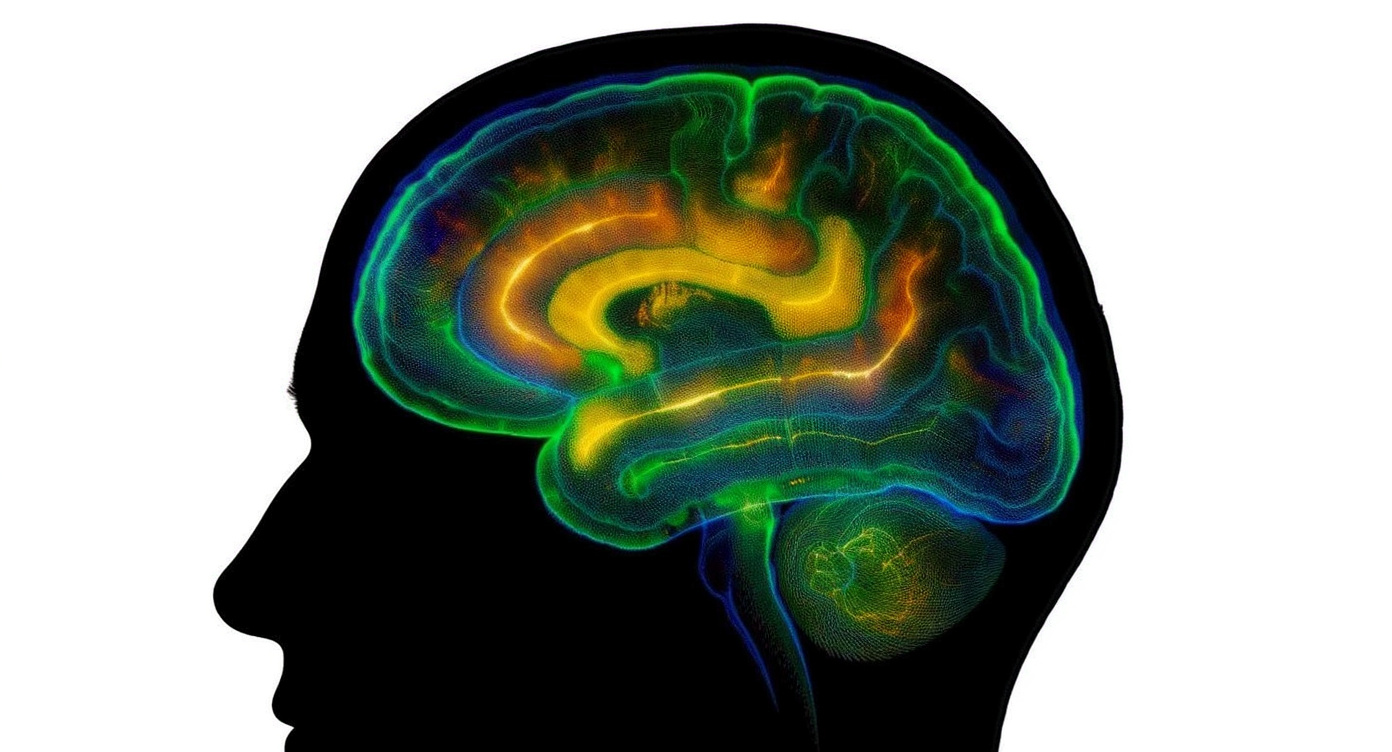
Experiments have shown that consuming fast food at an early age disrupts the connection between the stomach and the brain in rats, leading to impaired spatial memory even after returning to a healthy diet.
A new study has shown that the APOE2 gene variant helps neurons protect DNA and slows down cellular aging, thereby reducing the risk of dementia and Alzheimer's disease. These findings open up new possibilities for therapeutic approaches, especially for people with a high genetic risk.
A new study has shown that even under deep anesthesia, the brain is still able to distinguish the meaning of heard words and analyze speech. These findings expand our understanding of unconscious perception and memory function.
American scientists have developed an experimental nasal spray that reduces neuroinflammation and restores cognitive function in age-related brain changes. In animal studies, the drug demonstrated improved memory and good tolerability. The next step is clinical trials in humans.
The ketogenic diet helps reduce the frequency of seizures in epilepsy by altering metabolism and brain neuron activity. Recent studies are uncovering the molecular mechanisms behind this effect and opening up new possibilities for developing innovative treatment methods.
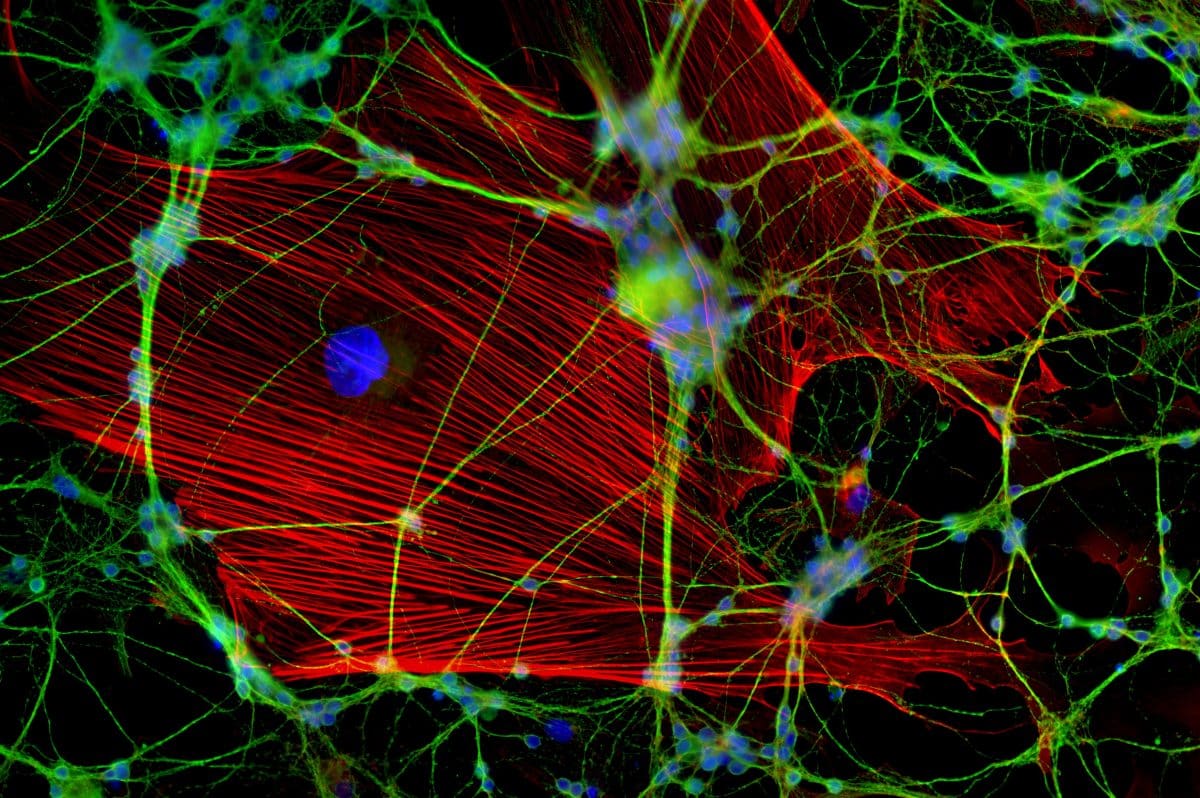
Researchers have developed the ComSLI method, which enables highly accurate and accessible visualization of fiber microstructure in tissues and the brain, including old archival samples. This breakthrough opens up new possibilities for studying tissue changes in diseases and analyzing previously inaccessible information.

 Cursus