

The keto diet reduces brain activity in epilepsy
The ketogenic diet helps reduce the frequency of seizures in epilepsy by altering metabolism and brain neuron activity. Recent studies are uncovering the molecular mechanisms behind this effect and opening up new possibilities for developing innovative treatment methods.
Salus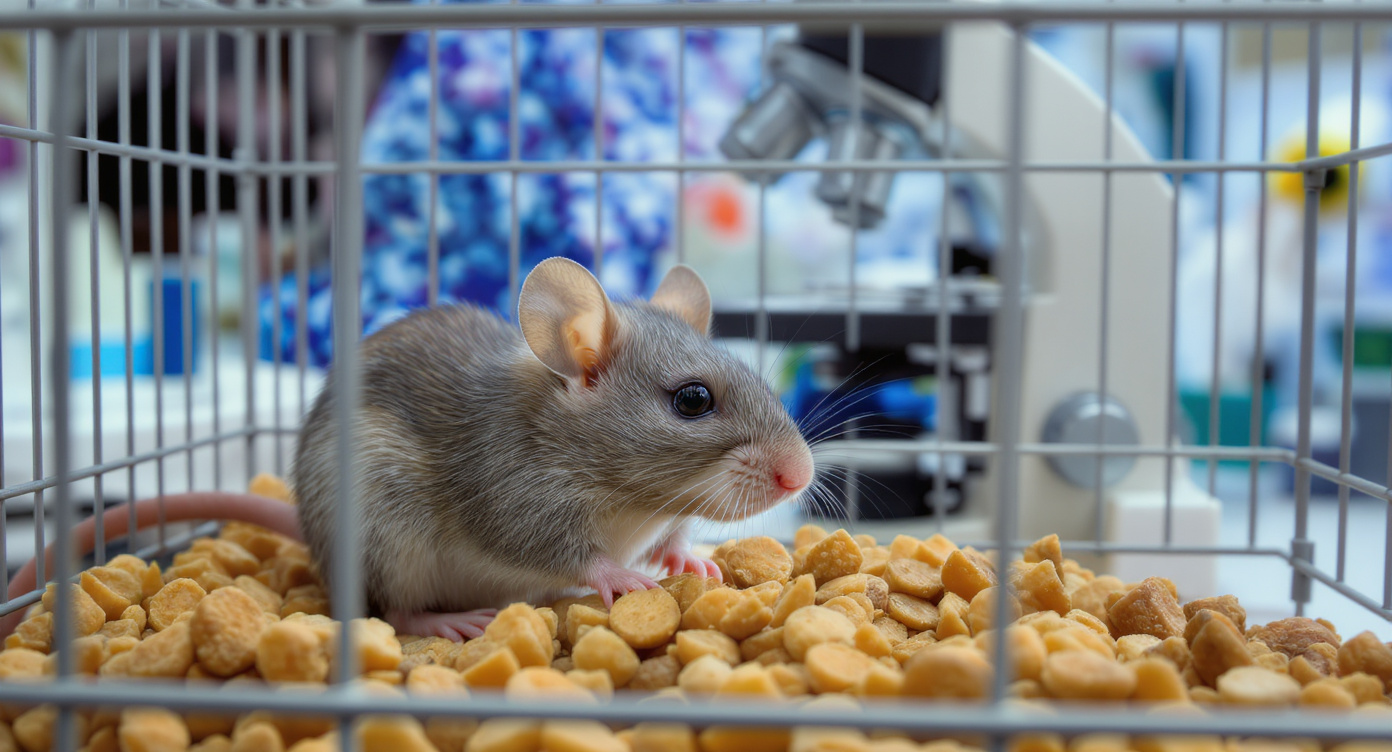
The ketogenic diet, characterized by high fat and minimal carbohydrate intake, is used to treat drug-resistant epilepsy in children. Recent studies have shown that this diet causes physical changes in brain cells, reducing the strength of signals between them and affecting information transmission.
How the Ketogenic Diet Works
The ketogenic diet involves consuming large amounts of fat, moderate protein, and very low carbohydrates. When carbohydrate intake drops below 50 grams per day, the body enters a state called ketosis, where fats become the main energy source instead of carbohydrates. In this state, the liver produces ketone bodies from fatty acids, which are then used by brain and other cells as an alternative "fuel."
Use in Epilepsy
A strict version of the ketogenic diet has been used for nearly a century to treat children with epilepsy that does not respond to standard therapies. To achieve the desired effect, up to 90% of daily calories must come from fats. With strict adherence, some patients experience about a 50% reduction in seizure frequency. The higher the level of ketone bodies in the blood, the less frequent epileptic seizures become. However, until recently, the exact mechanisms by which the diet affects the brain remained unclear.
New Scientific Findings
Experiments on laboratory mice have shown that the anticonvulsant effect of the ketogenic diet is linked to changes in brain function. Switching the energy source for neurons slows down signal transmission between them, which reduces the excessive neural activity typical of epileptic seizures.
Analysis of the brains of mice fed a high-fat diet revealed hundreds of changes in gene activity in the hippocampus—a brain region where seizures often originate. Many of these genes are responsible for the function of synapses, the contact points between nerve cells that enable information exchange via neurotransmitters.
Mice on the ketogenic diet showed reduced production of neurotransmitters that transmit excitatory signals and increased levels of substances that decrease neuronal activity. This led to weaker connections within the hippocampal neural circuits and reduced hyperactivity that causes seizures.
Microscopic studies showed that the synapses of these mice contained fewer vesicles with excitatory chemical signals compared to mice on a regular diet. Vesicles are membrane-bound sacs that transport neurotransmitters between synapses and ensure the passage of nerve impulses.
Limitations and Future Prospects
The main drawback of the ketogenic diet is the difficulty of strict adherence: even minor deviations from the regimen can negate all its benefits.
Understanding the molecular changes that occur in the brain during the ketogenic diet opens new avenues for epilepsy treatment. If these changes can be replicated with medication, it may be possible to achieve anticonvulsant effects without the need for drastic dietary changes for patients.