

A protein from cancer cells protects the brain from Alzheimer's disease
Scientists have discovered a molecule produced by certain cancer cells that helps the brain clear out harmful proteins associated with Alzheimer's disease. This finding could lead to new approaches in the prevention of neurodegenerative disorders.
Salus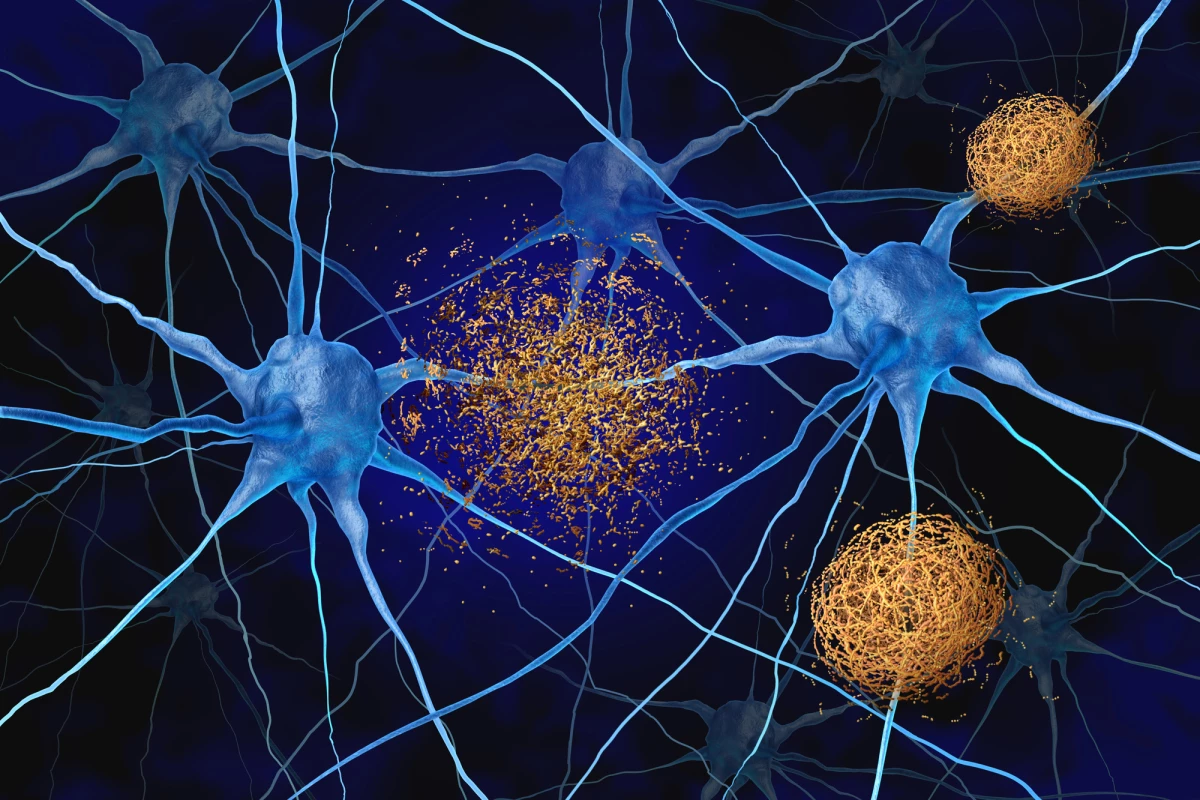
For a long time, scientists have observed that the simultaneous development of cancer and Alzheimer's disease is extremely rare. Recent studies have shed light on a possible reason for this phenomenon: experts have discovered a molecule in cancer cells that helps clear the brain of harmful proteins.
A New Discovery After 15 Years of Research
A team of researchers from the University of Toronto spent 15 years studying this topic and identified a specific molecule present in cancer cells. This molecule can break down misfolded proteins in the brain, preventing their accumulation and aiding in their removal. In Alzheimer's disease, the buildup of amyloid plaques and tau protein tangles leads to the destruction of neurons and a decline in cognitive abilities.
The Mechanism of the Molecule's Action
Although the discovery was made using a mouse model, it marks an important step toward understanding the unusual connection between two of the most devastating human diseases. At first glance, it may seem illogical that one disease could protect against another, but growing evidence supports this phenomenon. Moreover, some anticancer drugs have already shown a positive effect in slowing cognitive decline.
The Role of the Protein Cystatin-C
The research revealed that not all, but certain types of cancer produce the protein cystatin-C (Cyst-C). This protein spreads throughout the body and helps the brain clear out toxic amyloid accumulations—sticky protein deposits associated with Alzheimer's disease. Cystatin-C binds to harmful amyloid clusters and activates immune cells in the brain—microglia—which then destroy the plaques.
When scientists blocked the Cyst-C pathway, the protective effect disappeared, confirming the importance of this protein's interaction with the immune system in cleansing the brain and reducing the risk of developing Alzheimer's disease.
Experimental Model and Future Prospects
In their experiment, the researchers transplanted three types of human tumors—lung, prostate, and colon—into mice with an Alzheimer's disease model. The mice with cancer did not develop the characteristic amyloid plaques associated with cognitive decline. This led scientists to suspect the existence of a molecule from cancer cells capable of crossing the blood-brain barrier and benefiting the brain. It took six years to identify this molecule—the Cyst-C protein.
The Significance of the Discovery
Although the results are still preliminary, they pave the way for the development of drugs that can destroy or prevent the formation of amyloid plaques without the need to develop cancer. This also broadens the search for existing anticancer agents that could help protect the brain.
The researchers note that these findings represent significant conceptual progress in neuroscience and open up new therapeutic approaches that differ from current strategies focused on breaking down already formed amyloid plaques in Alzheimer's disease.
The study was published in the journal Cell.