

Antiparasitic drugs and vaccination reduce the risk of dementia
A new study has shown that taking medications against toxoplasmosis and receiving a herpes vaccine are associated with a reduced risk of developing Alzheimer's disease. However, scientists emphasize that these findings require further confirmation.
Salus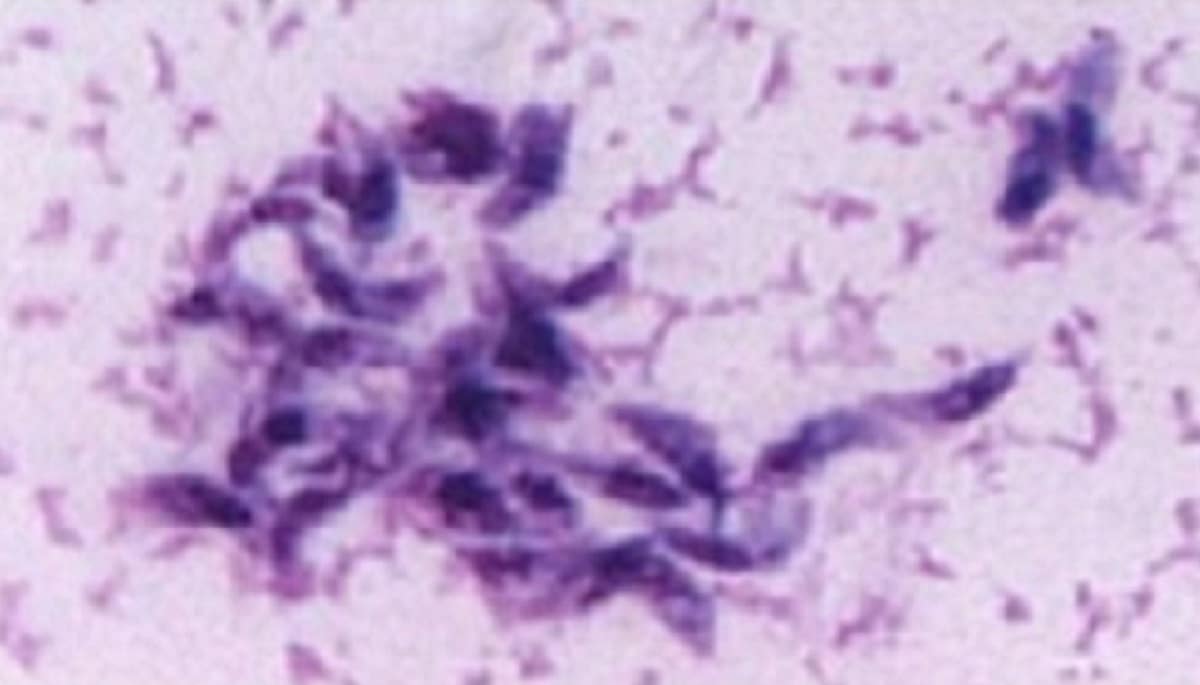
It is possible that Alzheimer's disease may have an infectious and inflammatory origin. This conclusion is supported by the results of a new study, which found that taking medications against the common feline parasite Toxoplasma, as well as vaccination against the herpes virus, are associated with a reduced risk of developing Alzheimer's disease.
Features of Alzheimer's Disease
Alzheimer's disease is characterized by the formation of plaques made of beta-amyloid protein and tangles of tau protein in the brain, which disrupt connections between neurons and lead to their gradual death (neurodegeneration). The exact triggers for these pathological changes remain unclear.
The Role of Neuroinflammation and Infections
In recent years, scientists have increasingly suggested that chronic neuroinflammation—heightened activity of microglia, the brain's immune cells—may underlie the disease. Such inflammation can be caused by latent ("dormant") infections: microorganisms that have entered the brain and remain there, continuously stimulating the immune response.
Recent observational studies have shown that vaccination against certain infections, especially the varicella-zoster virus (human herpesvirus type 3), may lower the risk of dementia. Although a direct causal link has not yet been proven, researchers believe that vaccination helps the immune system control the virus, thereby preventing the development of neuroinflammation.
New Study: Patient Data Analysis
The hypothesis of an infectious-inflammatory nature of Alzheimer's disease is further supported by the results of a new study from Israel. Specialists analyzed electronic medical records of more than 27,000 patients aged 40 to 89, over 9,000 of whom had been diagnosed with Alzheimer's disease. The researchers examined data on prescriptions and vaccinations for the 10 years preceding diagnosis, covering more than 1,300 different medications and vaccines.
The analysis revealed that taking the drug atovaquone/proguanil (brand name "Malarone"), as well as vaccination against the varicella-zoster virus, were associated with a 60% reduction in the risk of developing Alzheimer's disease over a 10-year period.
To confirm these findings, the scientists repeated the analysis using the American TriNetX database, which contains over 120 million electronic health records. The results supported the conclusions of the Israeli researchers.
Toxoplasma and Its Impact on the Brain
"Malarone" is an antiparasitic medication commonly used to treat and prevent malaria, but it is also effective against Toxoplasma gondii (toxoplasma). Toxoplasma is a widespread intracellular parasite, most often transmitted to humans from cats. It can penetrate the brain and remain there for long periods in a latent state.
Previous studies have shown that toxoplasma can cause neuroinflammation by activating microglia. Additionally, infection with this parasite has been linked to an increased risk of schizophrenia, cognitive impairment, and dementia. The Israeli study also observed toxoplasma infection among patients with dementia.
The Link Between Parasites, Viruses, and Dementia Risk
Researchers explained the complex relationship between toxoplasma, antiparasitic treatment, herpes vaccination, and the development of Alzheimer's disease. In people who did not take medications against toxoplasma and were not vaccinated, herpes virus activation occurred with age (in older adults, it causes shingles). This, in turn, triggered an immune response that reduced the immune system's control over toxoplasma, shifting the parasite from a latent to an active state.
Activation of toxoplasma intensified chronic neuroinflammation, accelerated neuron death, and contributed to the development of Alzheimer's disease.
The Need for Further Research
The authors of the scientific paper emphasize that, for now, this is only a hypothesis that requires confirmation. To establish a causal relationship, experimental and clinical studies are needed to determine whether taking antiparasitic drugs, alone or in combination with vaccination, can truly influence the risk of developing Alzheimer's disease.