Scientists have developed a new technology for anti-cancer vaccines that harnesses immunity formed after COVID-19 to fight tumors. This method has already demonstrated effectiveness in experiments and is currently undergoing clinical trials.
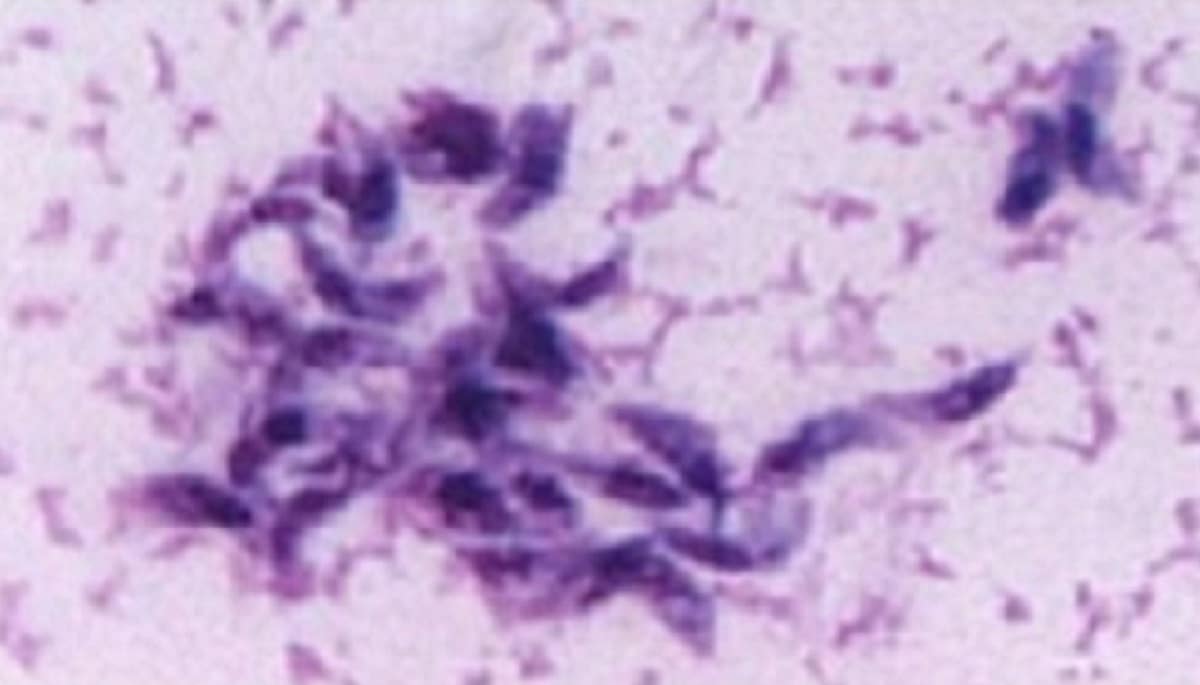
A new study has shown that taking medications against toxoplasmosis and receiving a herpes vaccine are associated with a reduced risk of developing Alzheimer's disease. However, scientists emphasize that these findings require further confirmation.
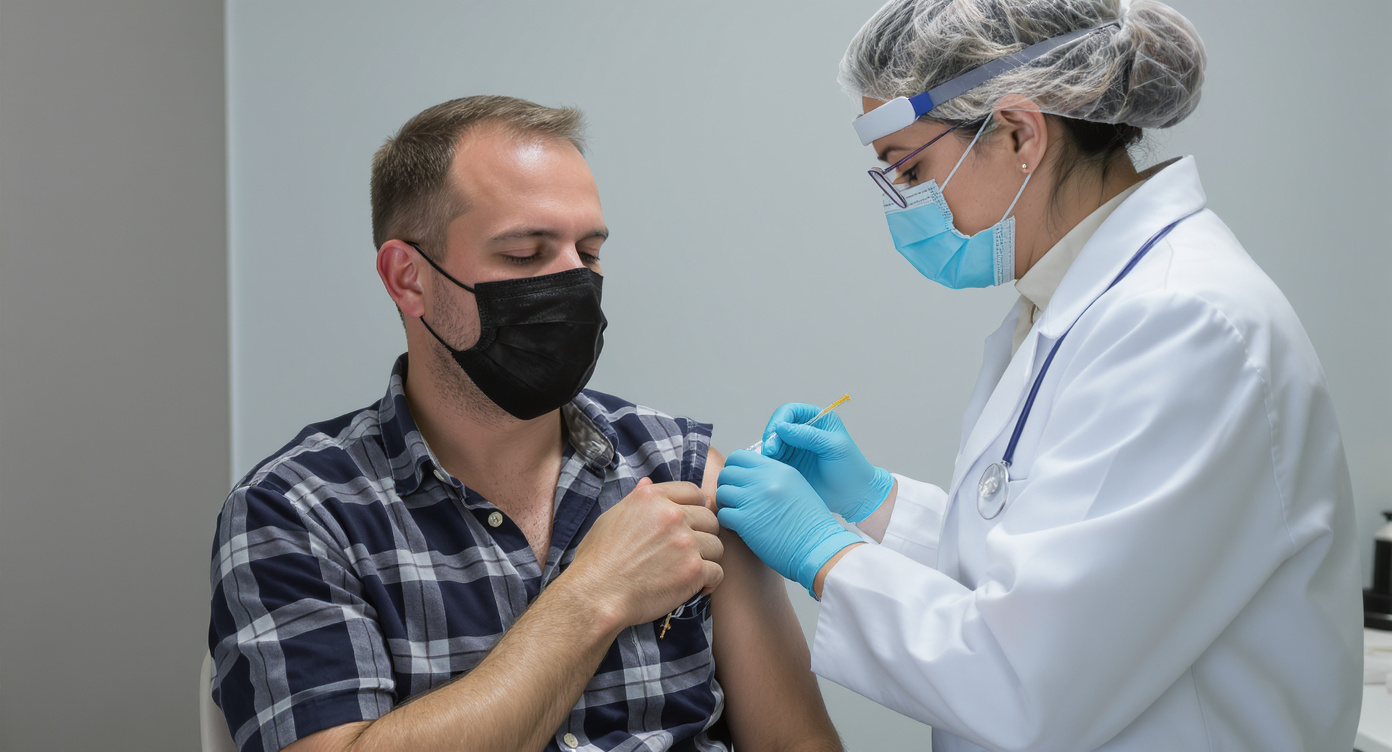
A new study has shown that receiving an mRNA COVID-19 vaccine during or shortly before pregnancy is not associated with an increased risk of autism or other developmental disorders in children.
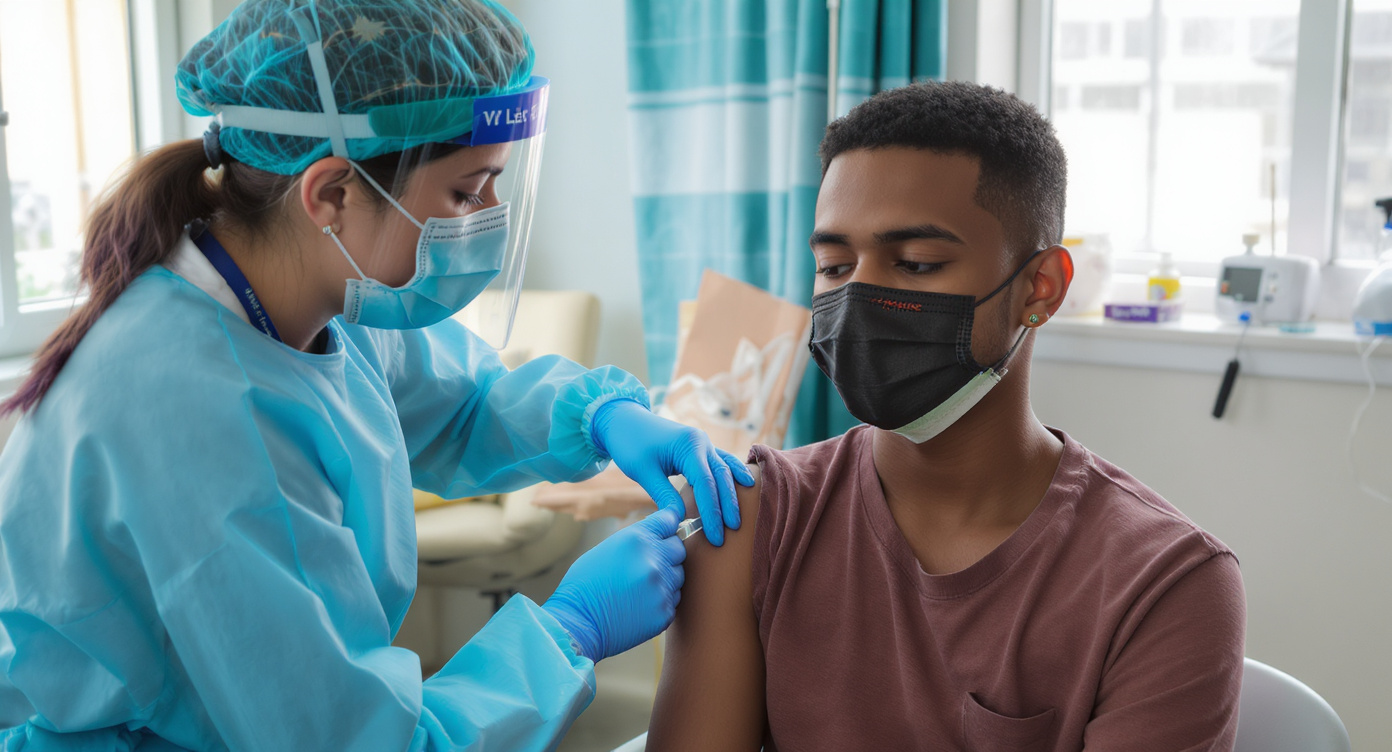
A new study has shown that developing positive thinking skills can increase antibody levels after vaccination. The effect is especially noticeable in those who successfully activated brain regions responsible for positive expectations.
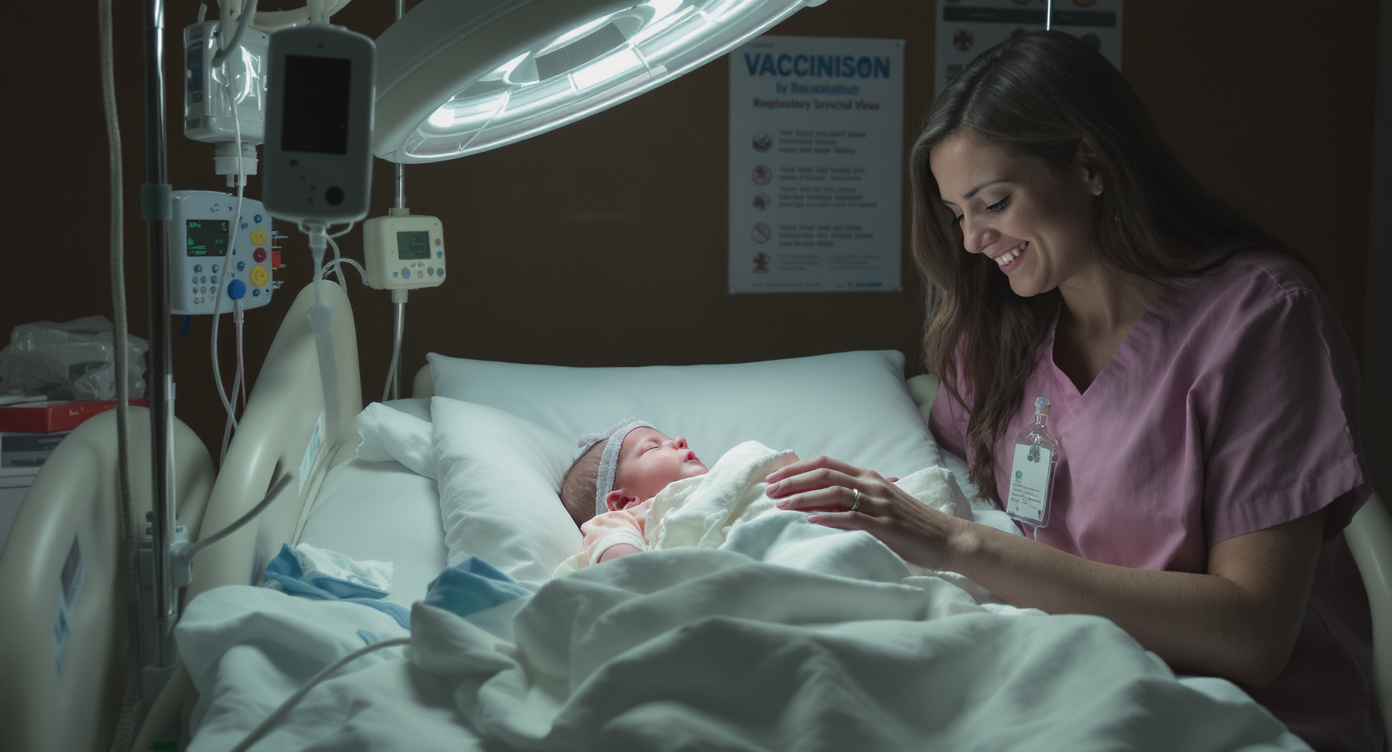
A new study has shown that RSV infection in early infancy significantly increases the risk of developing asthma, especially in children with a family history of the condition. Preventing RSV can greatly reduce future asthma rates and improve children's long-term health.
A new study explains why dengue fever vaccines are more effective in people who have previously been infected: the virus can "reprogram" the innate immune system, a process that does not occur with vaccination. An ideal dengue vaccine is still not expected in the near future.

 Salus
Salus