

Immunity after COVID-19 may help defeat cancer
Scientists have developed a new technology for anti-cancer vaccines that harnesses immunity formed after COVID-19 to fight tumors. This method has already demonstrated effectiveness in experiments and is currently undergoing clinical trials.
Salus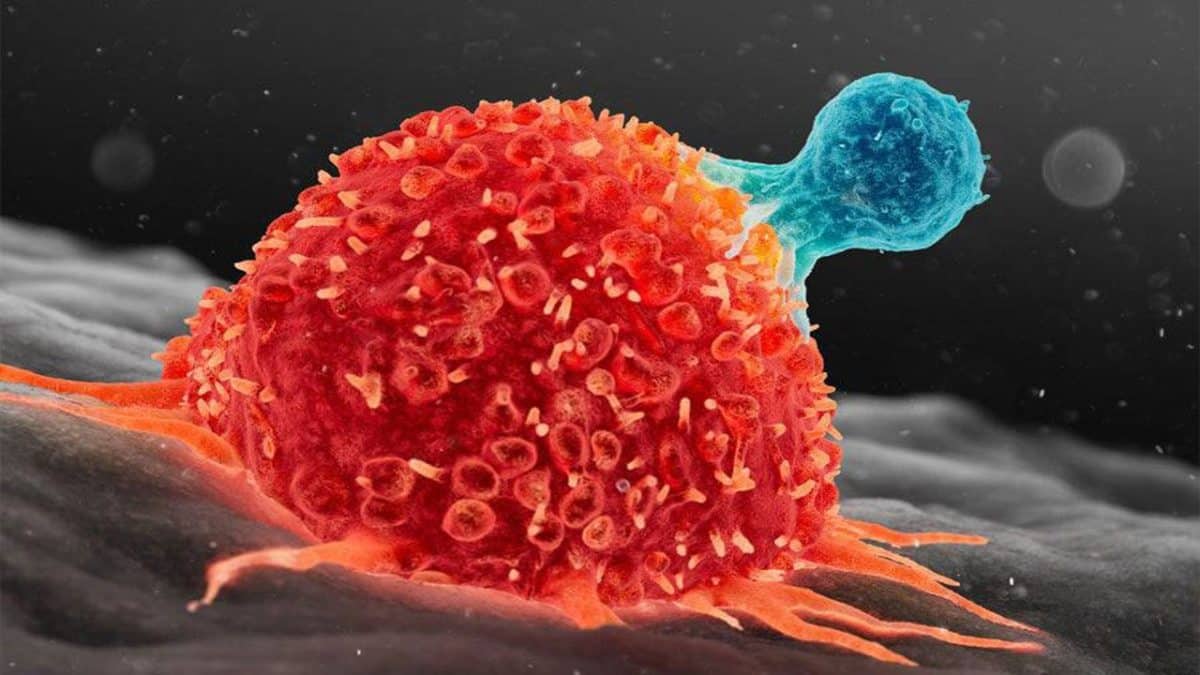
Researchers have developed a new technology for creating anti-cancer vaccines that utilizes immune cells formed in people after recovering from a Covid-19 infection to fight tumors. Instead of building immunity from scratch, this approach redirects the body’s existing defense against the virus to target and destroy cancer cells.
The technology, named PROTEXI, was developed through a collaboration between the biotechnology company Celloram Inc., Cleveland Clinic Hospitals, and Case Western Reserve University (USA). The results of the research have been published in the scientific journal Nature Communications.
The Challenge of Recognizing Cancer Cells
For decades, the development of effective anti-cancer drugs has faced a major obstacle: the immune system often cannot distinguish cancer cells, especially when tumors successfully disguise themselves and suppress immune responses. To overcome this, PROTEXI uses a personalized dendritic cell vaccine.
How the Technology Works
The method involves collecting a patient’s own immune cells (dendritic cells), which are then combined with fragments of the tumor and parts of the SARS-CoV-2 coronavirus spike protein. The body quickly recognizes the familiar viral protein, activates immune memory, and sends killer cells to destroy the tumor.
Trial Results
In a series of experiments on laboratory mice, the platform demonstrated high effectiveness against melanoma and breast cancer. The vaccine not only significantly reduced tumor size and increased survival rates, but also restructured the protective environment around the tumor, creating long-term immune memory to prevent relapses. Enhanced effects were also observed when combined with other known drugs.
Direct injection of immunostimulants into the tumor led to complete remission for a certain period. The new therapy was tested on 11 patients with late-stage lymphoma during clinical trials, some of whom achieved full remission.
Prospects for Application
Currently, the PROTEXI technology is being prepared for further clinical trials in humans. The first recipients will be patients with sarcoma—an aggressive form of cancer for which there are few effective treatments. If successful, the approach is planned to be expanded to other resistant and hard-to-detect cancer types.
Platform Advantages
The main advantage of the new platform lies in its universality and practicality. Unlike traditional anti-tumor vaccines, which require complex selection of individual proteins for each patient, PROTEXI leverages the existing coronavirus immunity present in billions of people. This makes the technology not only innovative but also potentially more accessible for widespread use in clinical practice.