

Astrocytes pave the way for brain injury treatment
Scientists have discovered a new mechanism for tissue regeneration after spinal cord injuries, strokes, and multiple sclerosis, which is linked to the activity of astrocytes. This breakthrough could lead to new methods for treating neurological diseases.
Salus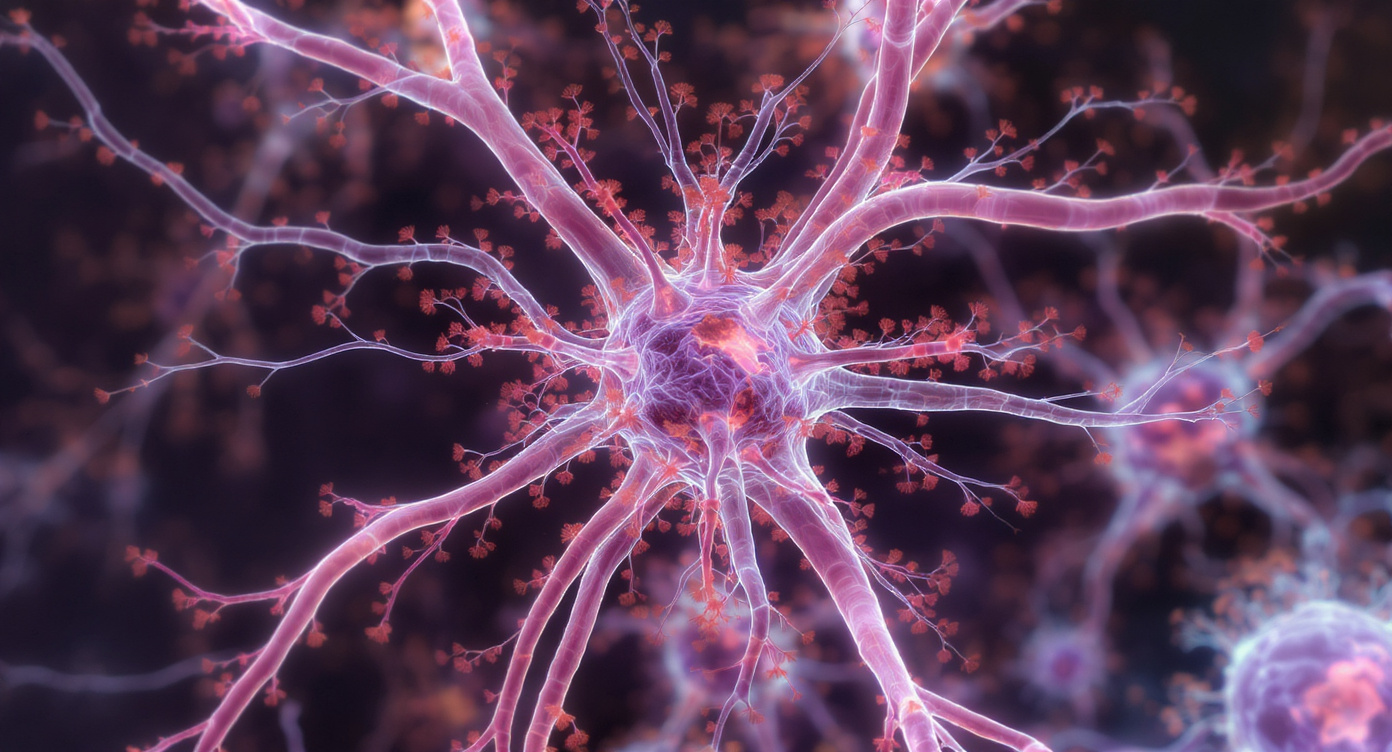
Researchers at Cedars-Sinai have discovered a biological repair mechanism that could eventually lead to new treatments for spinal cord injuries, strokes, and neurological diseases such as multiple sclerosis. The findings, published in the journal Nature, reveal an unexpected role for astrocytes—key support cells in the central nervous system.
The Unexpected Role of Astrocytes
Astrocytes play a crucial role in responding to diseases and injuries of the central nervous system, including the brain and spinal cord. It turns out that astrocytes located far from the injury site actively contribute to spinal cord repair. The study also identified a mechanism by which these unique cells signal the immune system to clear debris from injured tissue—a vital step in the healing process. These cells have been named "lesion-remote astrocytes" (LRA), and several subtypes have been identified among them. For the first time, scientists have explained how one of these subtypes can detect damage at a distance and respond in ways that promote recovery.
How Spinal Cord Repair Works
The spinal cord is a long bundle of nerve tissue that runs from the brain down the spine. Its inner part, the gray matter, contains nerve cell bodies and astrocytes, while the outer white matter consists of astrocytes and long nerve fibers that transmit signals between the brain and the body. Astrocytes help maintain a stable environment necessary for proper signal transmission.
When the spinal cord is injured, nerve fibers are torn, which can lead to paralysis and loss of sensation. Damaged fibers break down into debris. Unlike other tissues, where inflammation is limited to the injury site, in the spinal cord, inflammation and damage can spread far beyond the original area due to the length of the nerve fibers.
Experiments and Key Discoveries
In experiments on mice with spinal cord injuries, researchers found that LRAs play a key role in stimulating recovery. Compelling evidence suggests that a similar process occurs in human spinal cord tissue.
One LRA subtype produces the protein CCN1, which sends signals to immune cells called microglia. Microglia act as the "cleaners" of the central nervous system: after tissue damage, they engulf debris from nerve fibers, which are rich in fats and can cause a kind of "indigestion" in microglia. Experiments showed that the CCN1 signal from astrocytes prompts microglia to change their metabolism, enabling them to process fats more efficiently.
Implications for Recovery and Treatment
Improved debris removal may explain why some patients experience partial, spontaneous recovery after spinal cord injury. When researchers eliminated CCN1 produced by astrocytes, healing was significantly impaired: microglia would engulf debris but could not digest it, leading to an accumulation of debris-filled microglia, increased inflammation, and poorer tissue recovery.
A similar CCN1-related process was observed in studies of spinal cord samples from people with multiple sclerosis. This suggests that the fundamental principles of repair may apply to both brain and spinal cord injuries.
Future Directions and Further Research
The role of astrocytes in healing the central nervous system is still not fully understood. New data indicate that lesion-remote astrocytes can limit chronic inflammation, promote meaningful functional regeneration, and improve neurological recovery after brain and spinal cord injuries and diseases.
Currently, researchers are working on developing strategies that use the CCN1 pathway to enhance spinal cord repair. They are also investigating how astrocyte-produced CCN1 might influence inflammatory neurodegenerative diseases and aging processes.