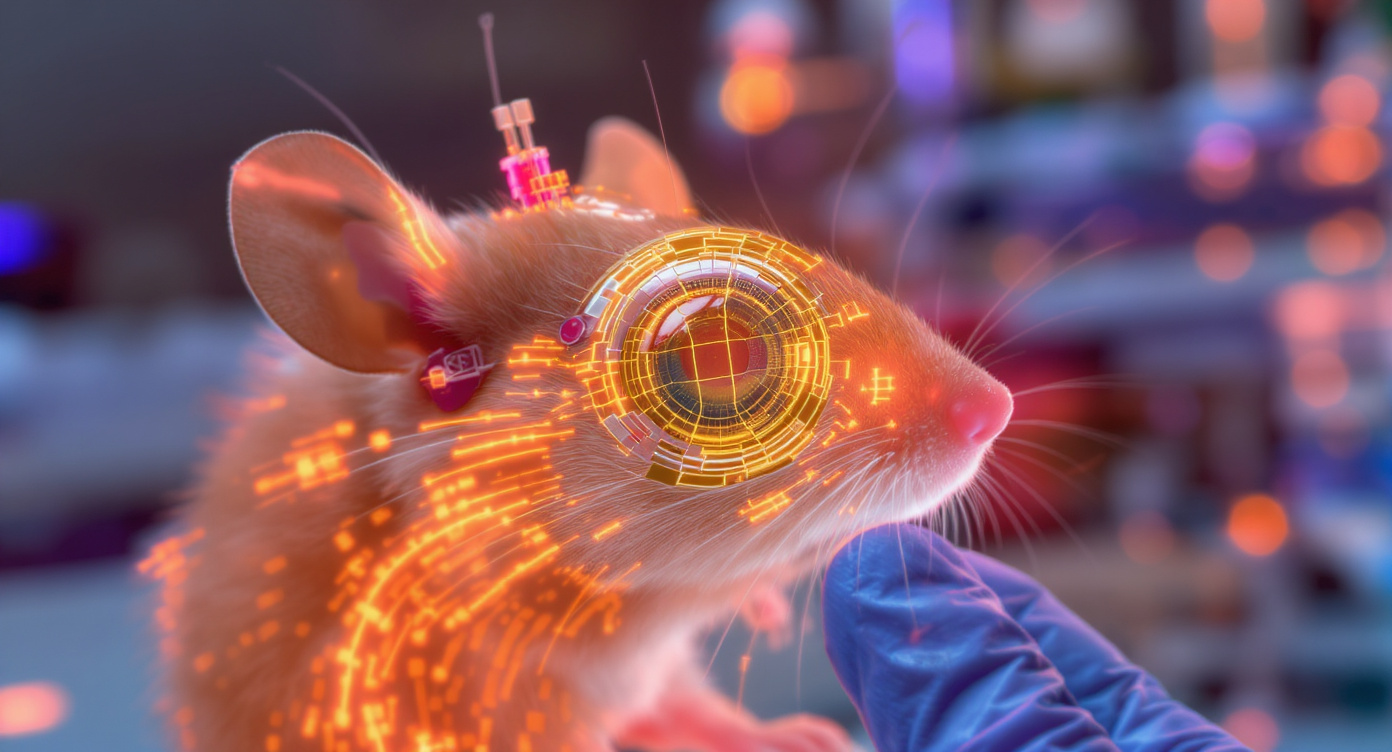
Scientists have developed a flexible eye implant that enables blind mice to perceive infrared light without damaging eye tissue. This new technology could expand treatment options for blindness, but its effectiveness and perception in humans remain unknown.
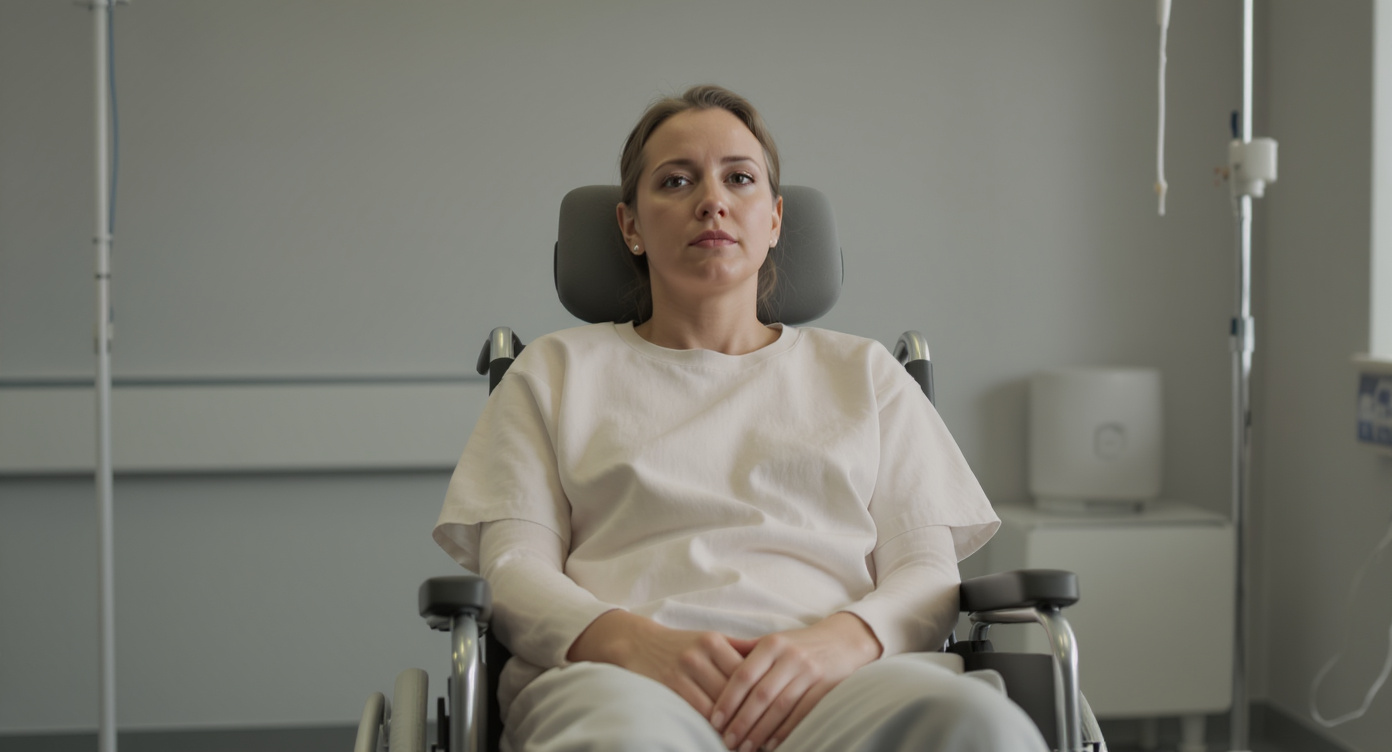
Scientists are exploring the possibility of using EEG to restore movement in people with spinal cord injuries, offering a non-invasive alternative to implants. This method already allows researchers to detect attempts at movement, and there are plans to further develop it for controlling limb stimulators.
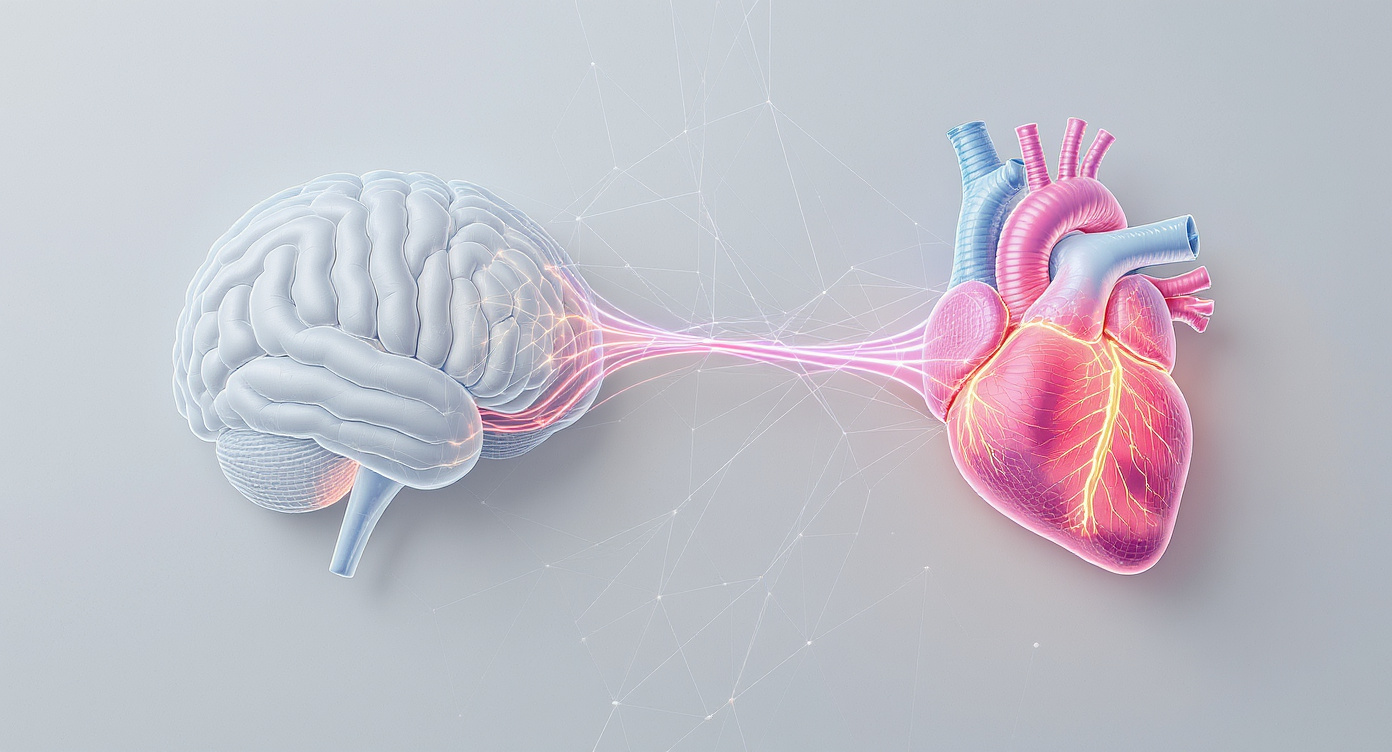
Scientists have developed a biodegradable implant that restores the connection between the heart and brain after surgery, preventing scarring and preserving organ function. This technology has the potential to significantly improve patient recovery following cardiac surgery.
In a clinical study, a miniature implant and smart glasses helped most patients with severe macular degeneration partially regain their ability to read. This technology enables users to distinguish shapes and outlines, significantly improving the quality of life for people with incurable vision loss.

 Salus
Salus