

Biomaterial restores the connection between the heart and the brain
Scientists have developed a biodegradable implant that restores the connection between the heart and brain after surgery, preventing scarring and preserving organ function. This technology has the potential to significantly improve patient recovery following cardiac surgery.
Salus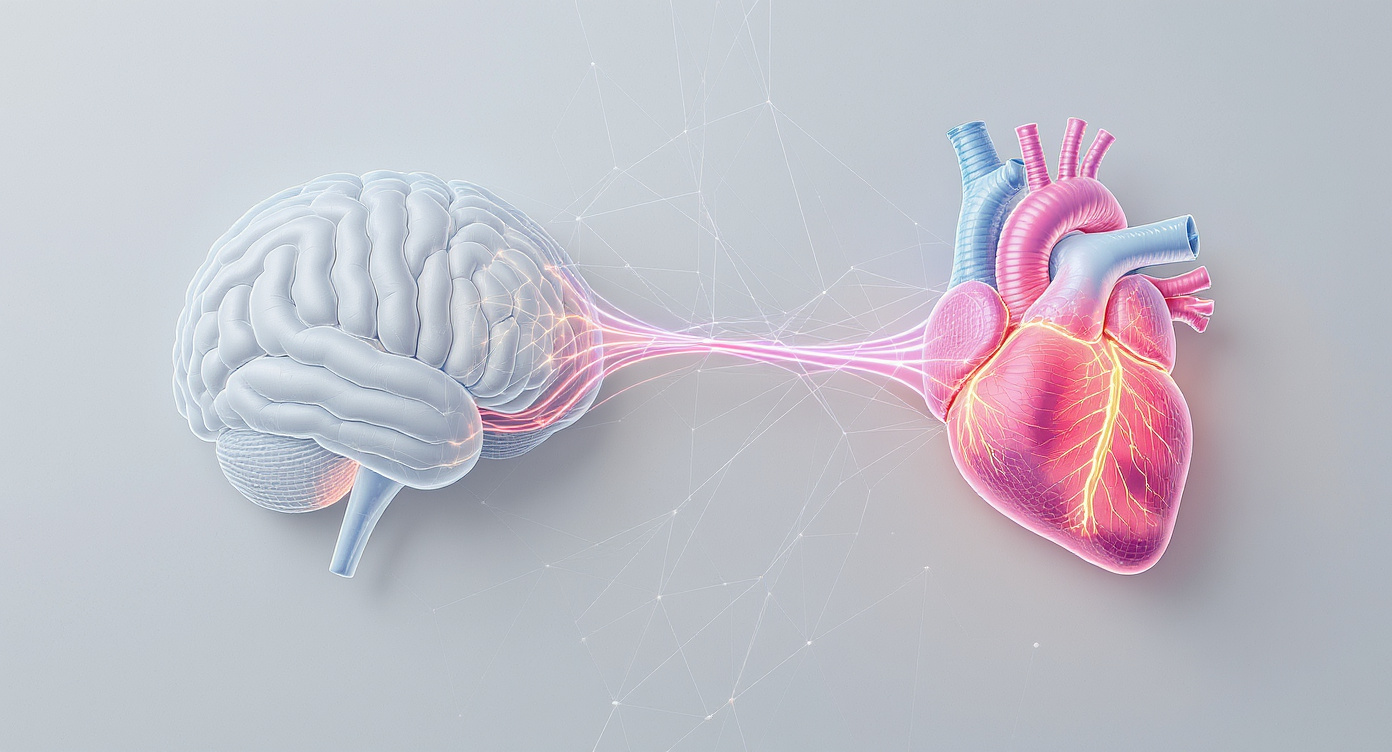
A biodegradable implant developed by scientists to replace damaged vagus nerves in minipigs has served as a guide for the growth of new nerve cells. Thanks to this innovation, the heart was once again able to receive signals from the brain, preventing dangerous scarring of the cardiac muscle and restoring its ability to pump blood efficiently. This breakthrough technology could significantly improve recovery for patients after heart surgery.
The Importance of the Heart-Brain Connection
The heart and brain are in constant communication, with the right vagus nerve playing a crucial role in this process. It regulates heart rhythm, controls inflammation, and protects myocardial cells from overload. As long as this connection remains intact, the heart can adapt to stress and function properly.
Problems After Chest Surgery
During complex chest surgeries, such as heart transplants or tumor removals, surgeons often have to cut nerve fibers to access the organ. As a result, the heart becomes isolated: it continues to beat but loses external control. This condition is known as autonomic imbalance. Without signals from the nervous system, heart tissue undergoes oxidative stress—a key factor in aging.
The loss of control triggers a chain reaction: rigid connective tissue grows in place of dead cells, fibrosis develops, and the organ loses elasticity and wears out faster. Over time, this can lead to heart failure, even if the surgery itself was flawless. For a long time, doctors could restore the heart’s anatomy but not its “wiring.”
A New Approach to Nerve Regeneration
In a recent study published in Science Translational Medicine, researchers combined advances in experimental medicine and bioengineering to develop a method for regenerating severed nerves. Minipigs, whose cardiovascular systems are very similar to humans, were chosen to test the technology.
The animals underwent a procedure simulating transplant injury: the right vagus nerve was cut. To reconnect the severed ends, a tube made of biodegradable material—a blend of chitosan and polycaprolactone—was implanted. This scaffold directed the growth of new nerve fibers in the desired direction.
Experimental Results
The implant acted as a tunnel for regeneration: about 20% of nerve bundles grew through it, which was enough to restore signal transmission. Parasympathetic fibers once again penetrated the heart muscle, restoring its ability to respond to brain commands. Over time, the implant completely dissolved after fulfilling its function.
Restoring the connection produced a pronounced therapeutic effect: oxidative stress levels in the cells returned to normal, and the heart muscle remained elastic and healthy, without signs of fibrosis that developed in the control group animals.
Functional tests confirmed success on a mechanical level as well: the hearts of minipigs with the implant maintained proper contraction geometry, and no dyssynchrony—when different parts of the ventricles contract out of sync—was detected. The organ’s pumping function was preserved, proving that the right vagus nerve truly acts as a guardian of heart youthfulness.
Implications for Cardiac Surgery
This development is changing the approach to cardiothoracic surgery. Doctors now have a tool that not only treats the consequences of surgery but also helps prevent them. Restoring nerve connections during surgery protects the heart from premature aging, reduces the risk of complications, and extends patients’ lives.