A new study has shown that high consumption of food preservatives is linked to an increased risk of hypertension and cardiovascular diseases. Experts recommend choosing unprocessed foods whenever possible.
Scientists have decoded the genome of the snow fly Chionea alexandriana and discovered how this insect remains active at subzero temperatures. The fly combines internal heating, the production of antifreeze proteins, and reduced sensitivity to oxidative stress, which allows it to survive and move across snow even at –7°C.
Studies show that extreme endurance races accelerate the damage and breakdown of red blood cells, especially over long distances. These findings are important for developing personalized training strategies and improving blood storage for donors.
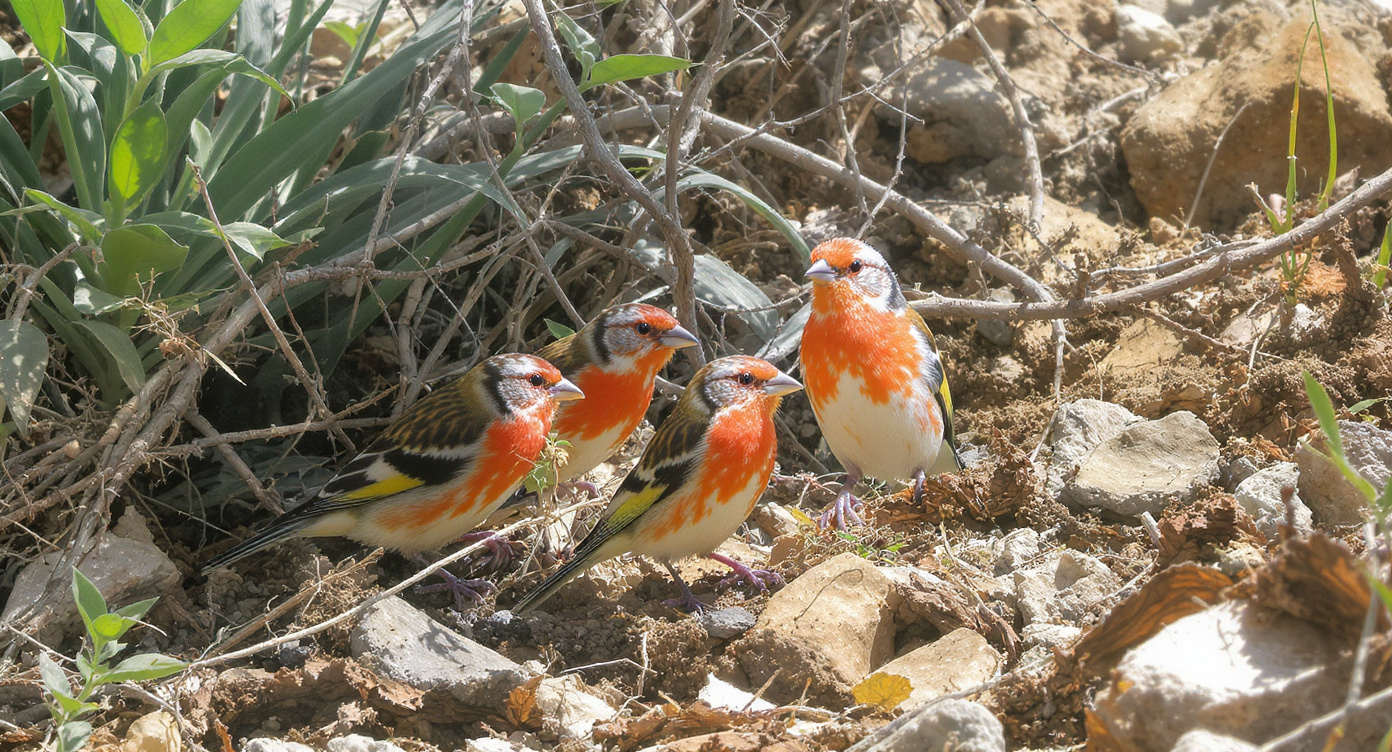
Biologists have discovered that the reddish pigment pheomelanin in birds serves an important protective function, helping the body safely eliminate excess toxic cysteine through their feathers. This finding explains why evolution has preserved this mechanism despite its association with an increased risk of melanoma.
Scientists have discovered that extracellular vesicles derived from embryonic stem cells can slow down or even halt cellular aging by protecting cells from oxidative stress. This breakthrough could pave the way for new anti-aging technologies and improvements in quality of life.
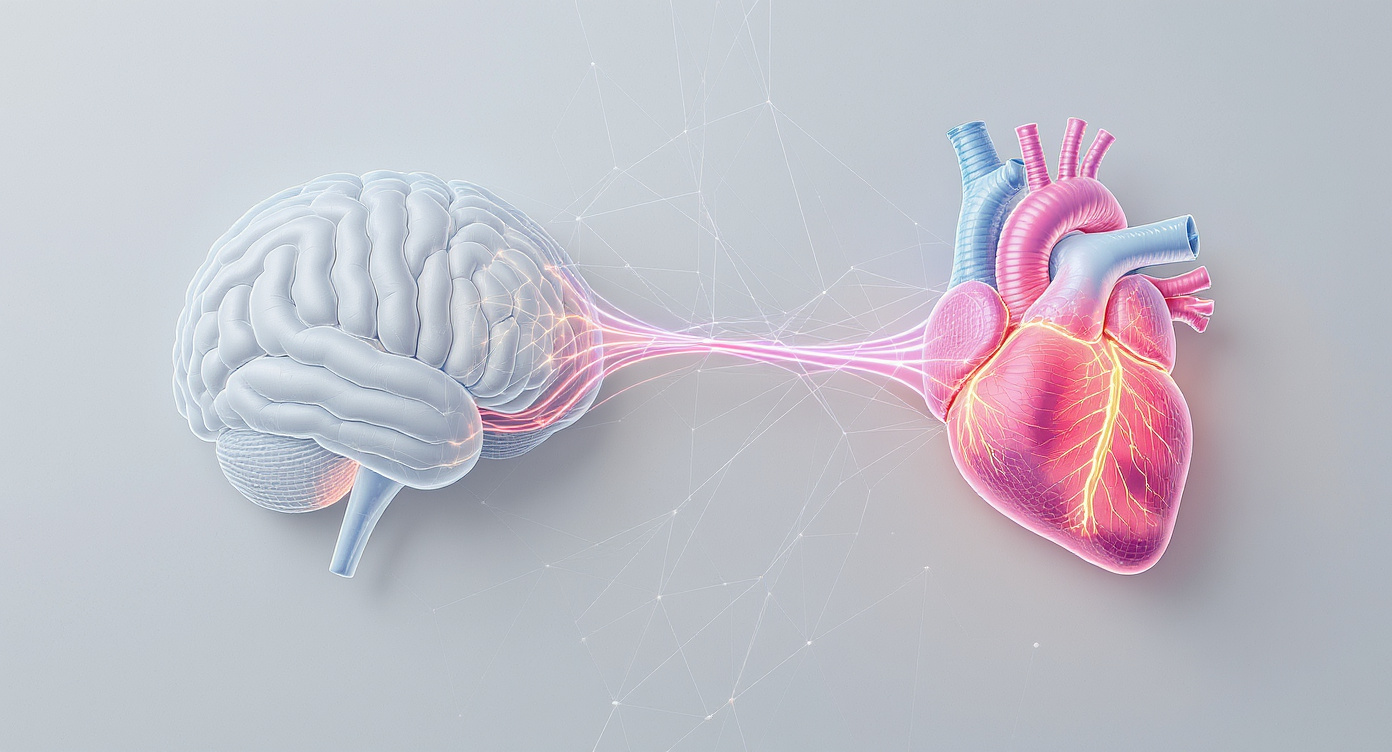
Scientists have developed a biodegradable implant that restores the connection between the heart and brain after surgery, preventing scarring and preserving organ function. This technology has the potential to significantly improve patient recovery following cardiac surgery.
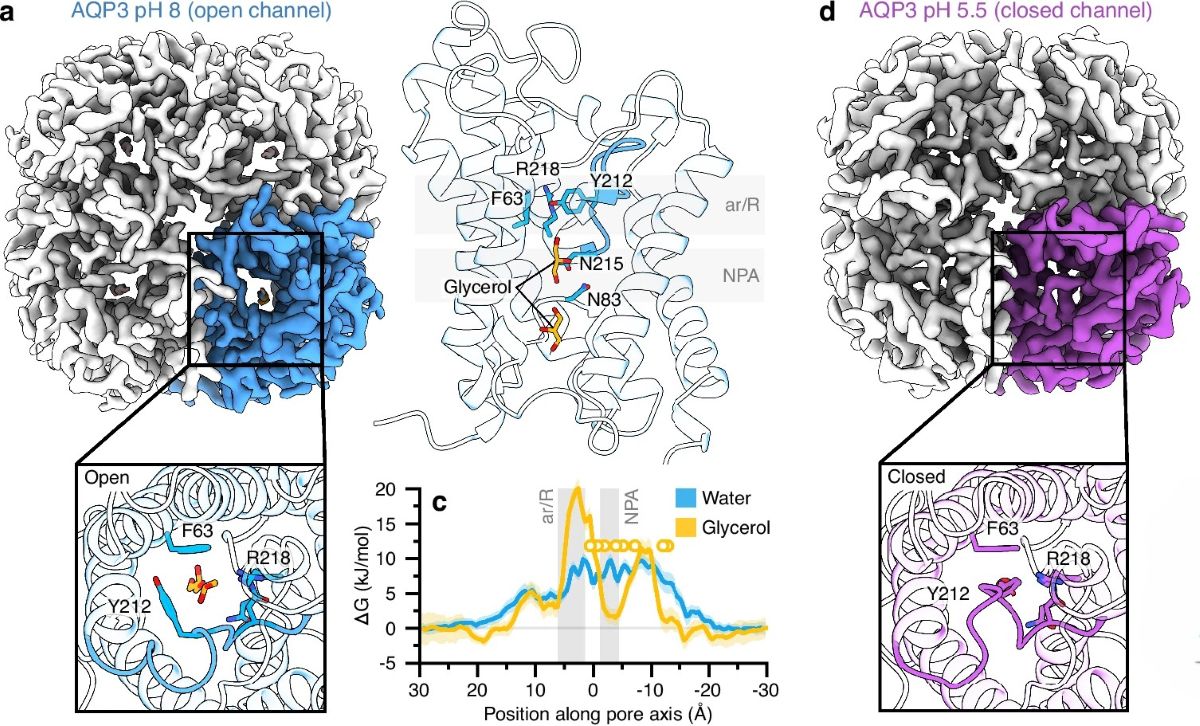
Biophysicists have discovered how the protein channel AQP3 self-regulates the transport of molecules across the cell membrane in response to acidity and hydrogen peroxide. This finding could lead to new approaches for treating diabetes and protecting cells from oxidative stress.
Moderate coffee consumption (up to four cups a day) may slow down cellular aging in people with severe mental disorders, but exceeding this amount does not provide additional benefits.


 Salus
Salus