New research shows that improper folding of the proinsulin protein in pancreatic beta cells contributes to the development of type 2 diabetes. Enhancing the mechanisms responsible for correct protein folding may become a promising direction for future therapies.
Adipose tissue is essential for metabolism and hormonal balance, and its loss or dysfunction can lead to diabetes and other diseases. Recent studies highlight the importance of protecting fat cells to maintain metabolic health.
Recent studies have shown that when oxygen levels are low, red blood cells begin to actively absorb glucose from the blood, reducing its concentration. This discovery could lead to new approaches in diabetes treatment.
Switching to a low-fat vegan diet helped people with type 1 diabetes reduce their insulin use by 28%, lower their expenses, and improve weight and cholesterol levels. The study also noted better insulin sensitivity and improved blood sugar control.
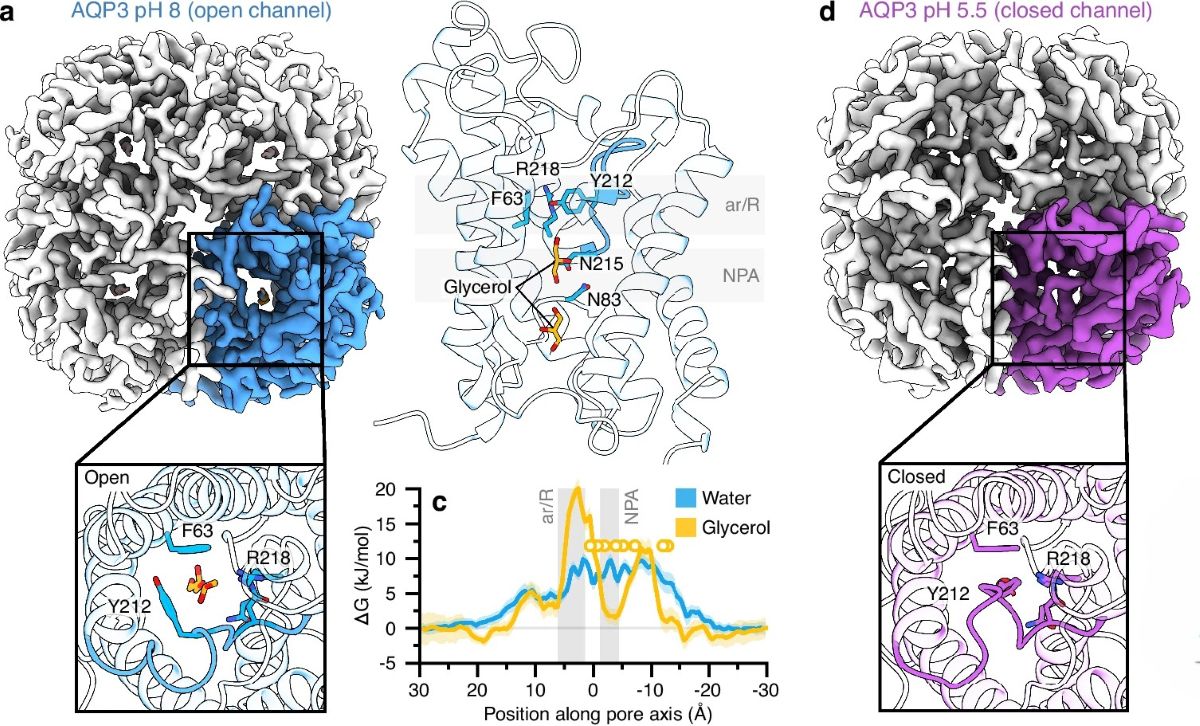
Biophysicists have discovered how the protein channel AQP3 self-regulates the transport of molecules across the cell membrane in response to acidity and hydrogen peroxide. This finding could lead to new approaches for treating diabetes and protecting cells from oxidative stress.
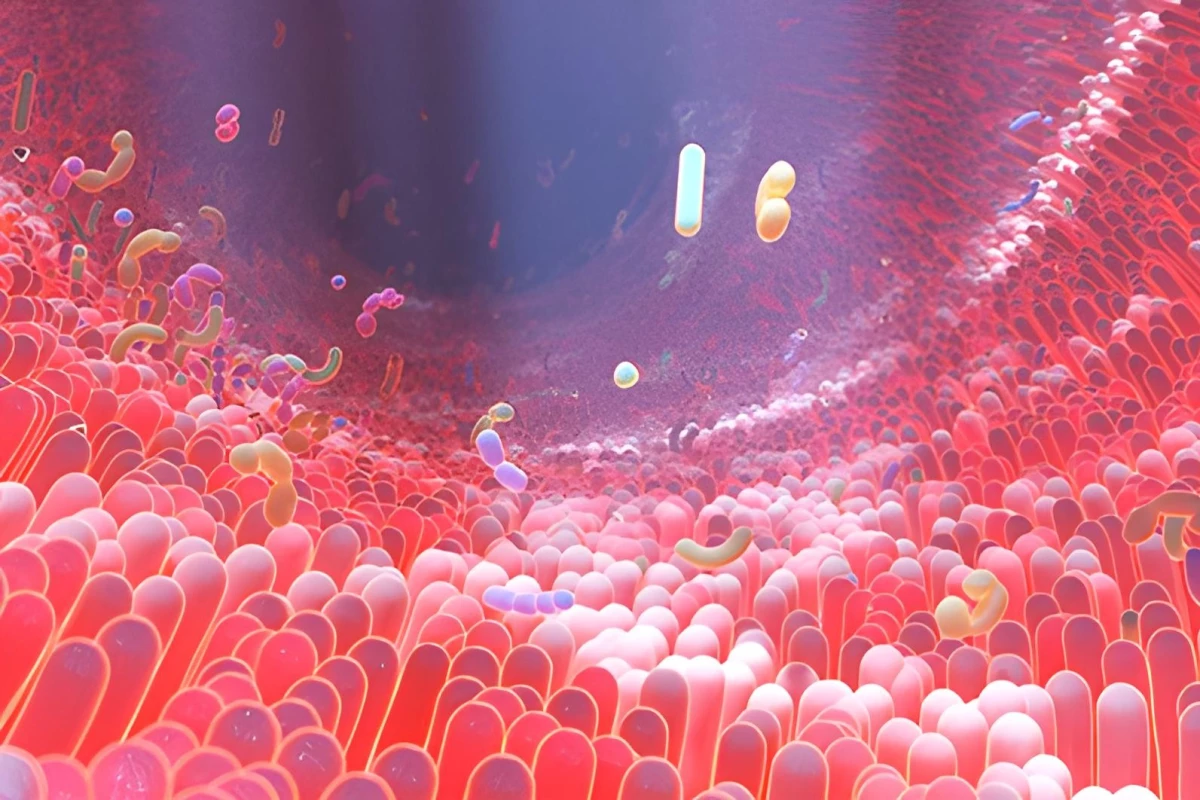
Scientists have discovered that gut microbes can protect the body from diabetes by reducing inflammation and improving insulin sensitivity through the processing of dietary choline. This finding could lead to new strategies for preventing and treating diabetes through nutrition and microbiome management.
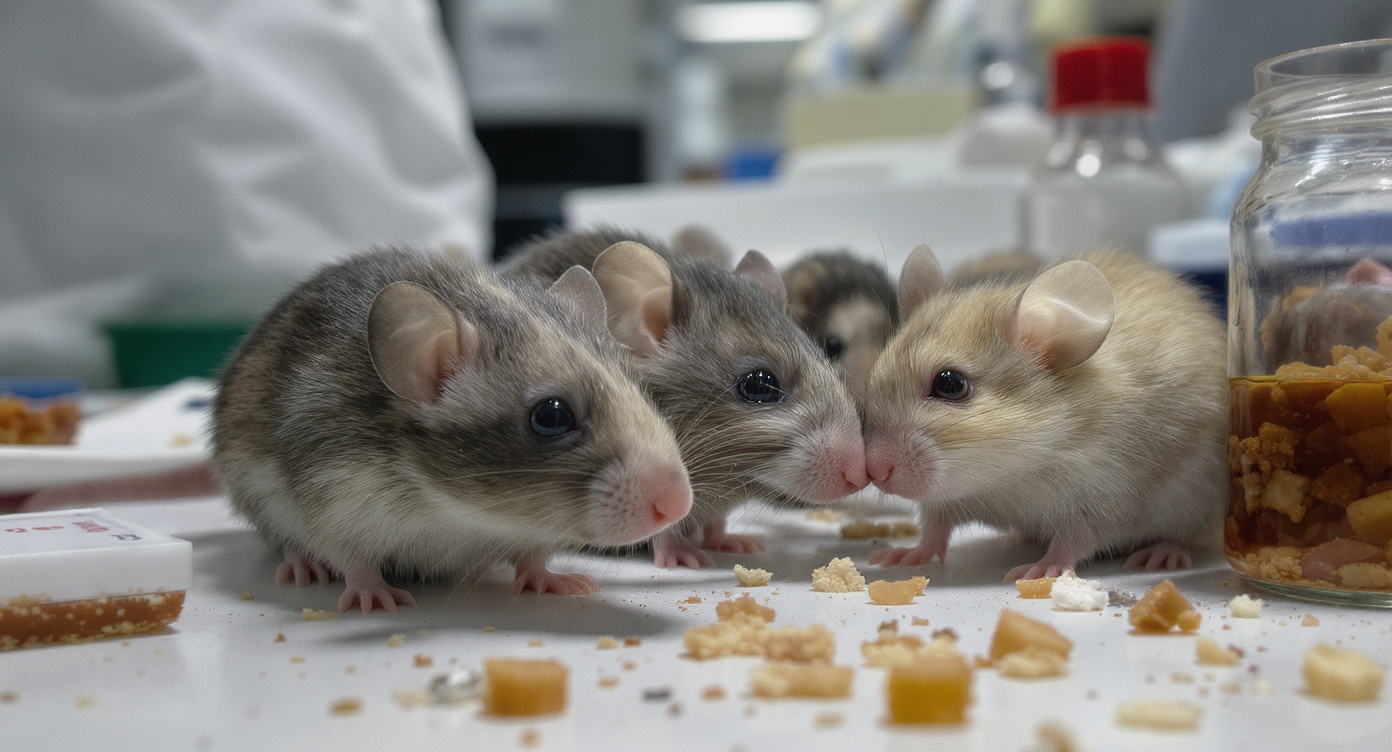
A new study on mice has shown that long-term adherence to the keto diet may lead to metabolic disorders, as well as liver and pancreatic problems. Experts recommend exercising caution when considering prolonged use of this diet.

 Salus
Salus