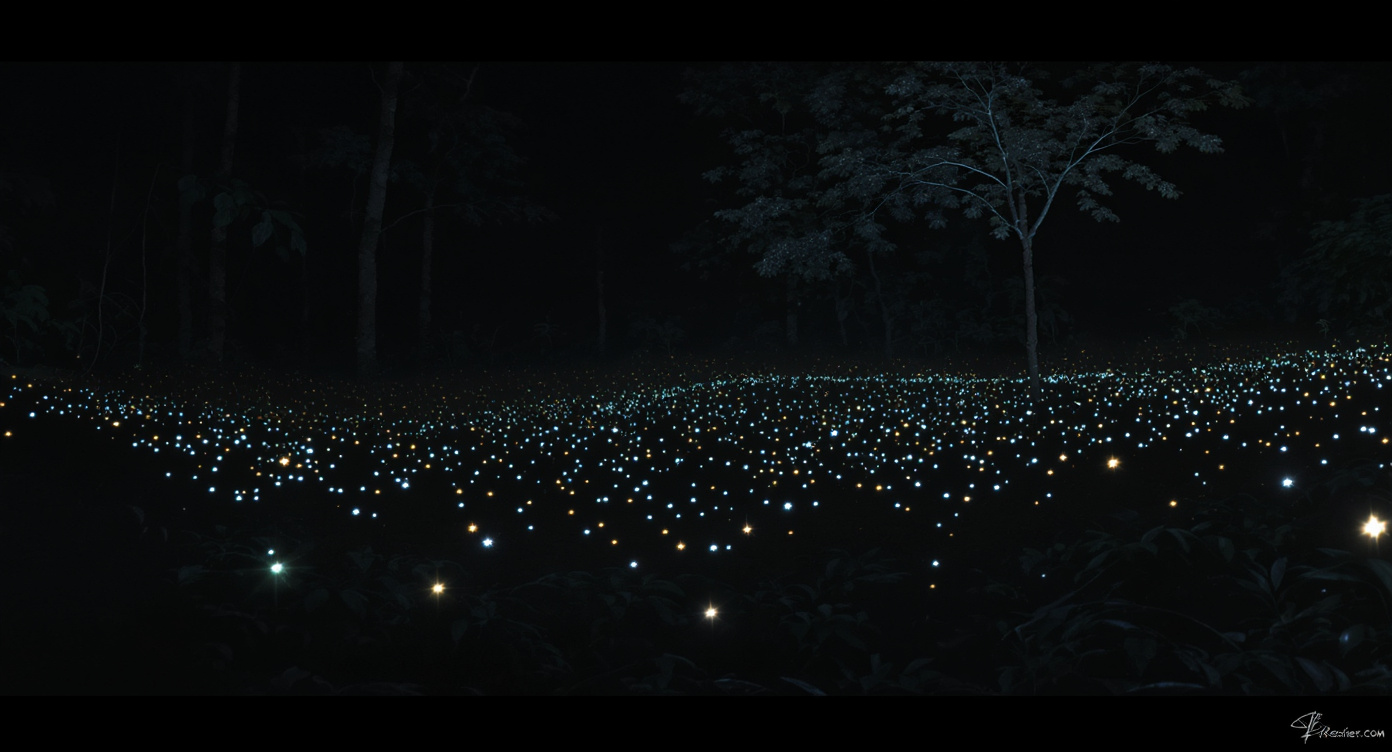
American scientists have discovered that plant seeds can perceive the sound of rain and accelerate germination in response to acoustic waves. This mechanism helps seeds choose the optimal moment for growth.
Studies have shown that most animals and humans use a similar rhythm to transmit signals—about 2 hertz—which is linked to the way nerve cells function. This universal tempo forms the basis of both natural communication and popular musical rhythms.
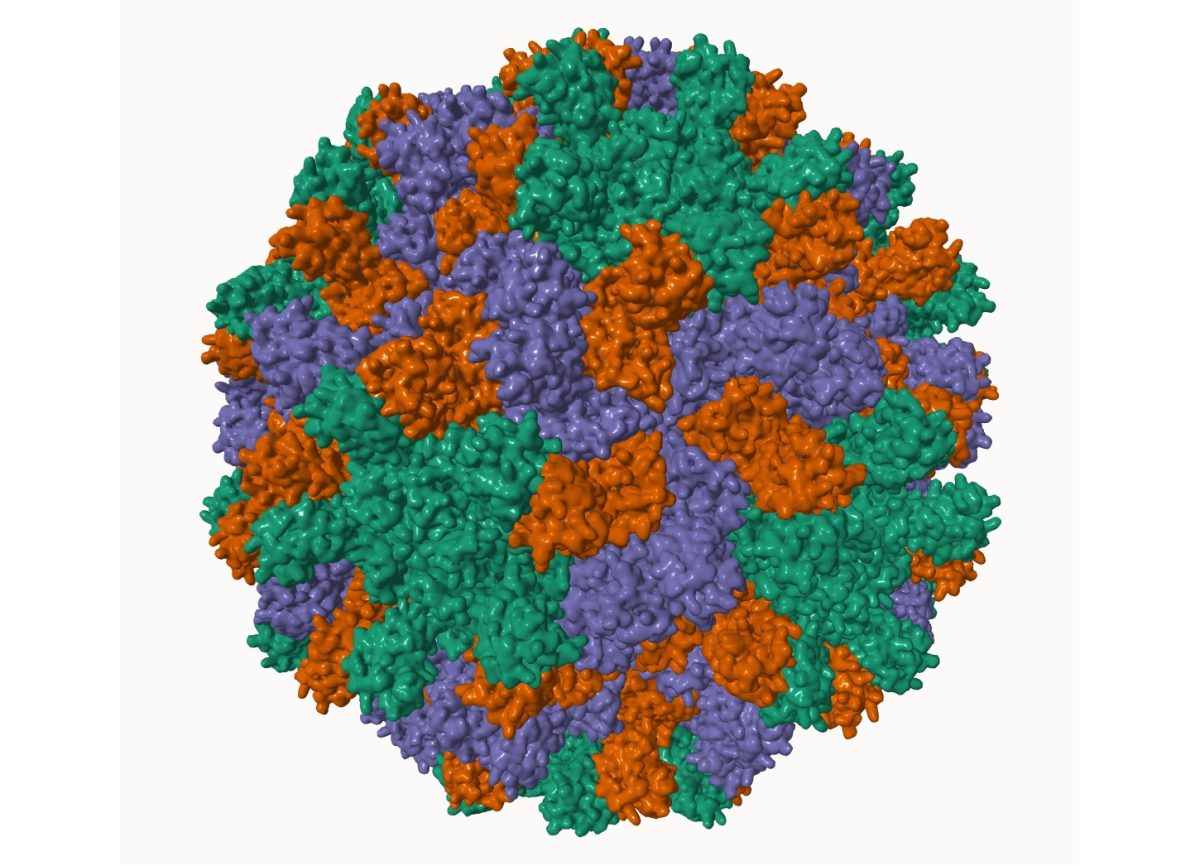
Scientists have discovered how spherical viruses precisely determine the direction for releasing their genetic material: hidden inside their shell is a unique chemical bond that sets the attack point. This breakthrough could lead to the development of more effective medicines and nanocontainers.
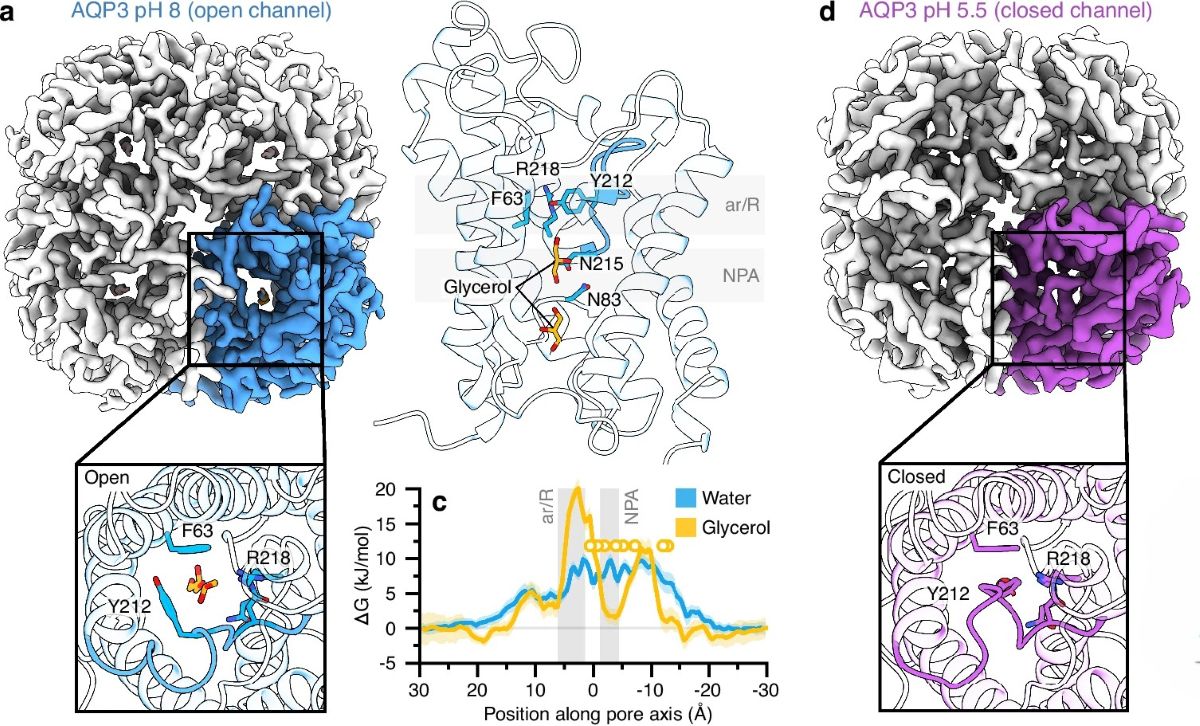
Biophysicists have discovered how the protein channel AQP3 self-regulates the transport of molecules across the cell membrane in response to acidity and hydrogen peroxide. This finding could lead to new approaches for treating diabetes and protecting cells from oxidative stress.


 Cursus