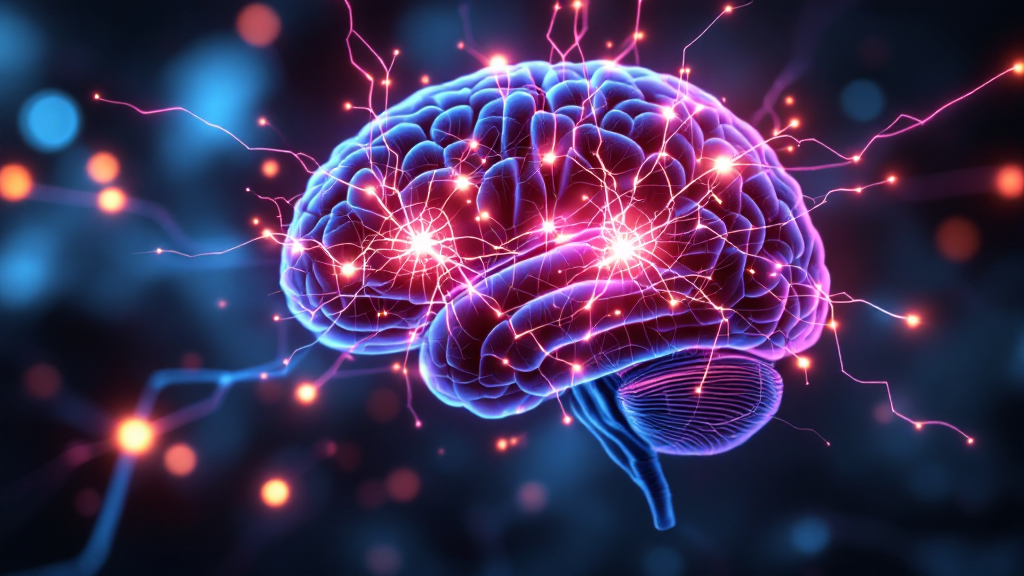
A new study has shown that when choosing between risk and safety, two independent regions of the cortex interact in the brain. This discovery helps to better understand the nature of doubt and could lead to new methods for treating anxiety disorders.
An international team has developed an artificial intelligence-based simulator that accelerates and simplifies the modeling of heavy element formation processes in the Universe. The new RHINE tool enables more accurate and faster calculations of nuclear reactions during neutron star mergers, significantly reducing computational costs.
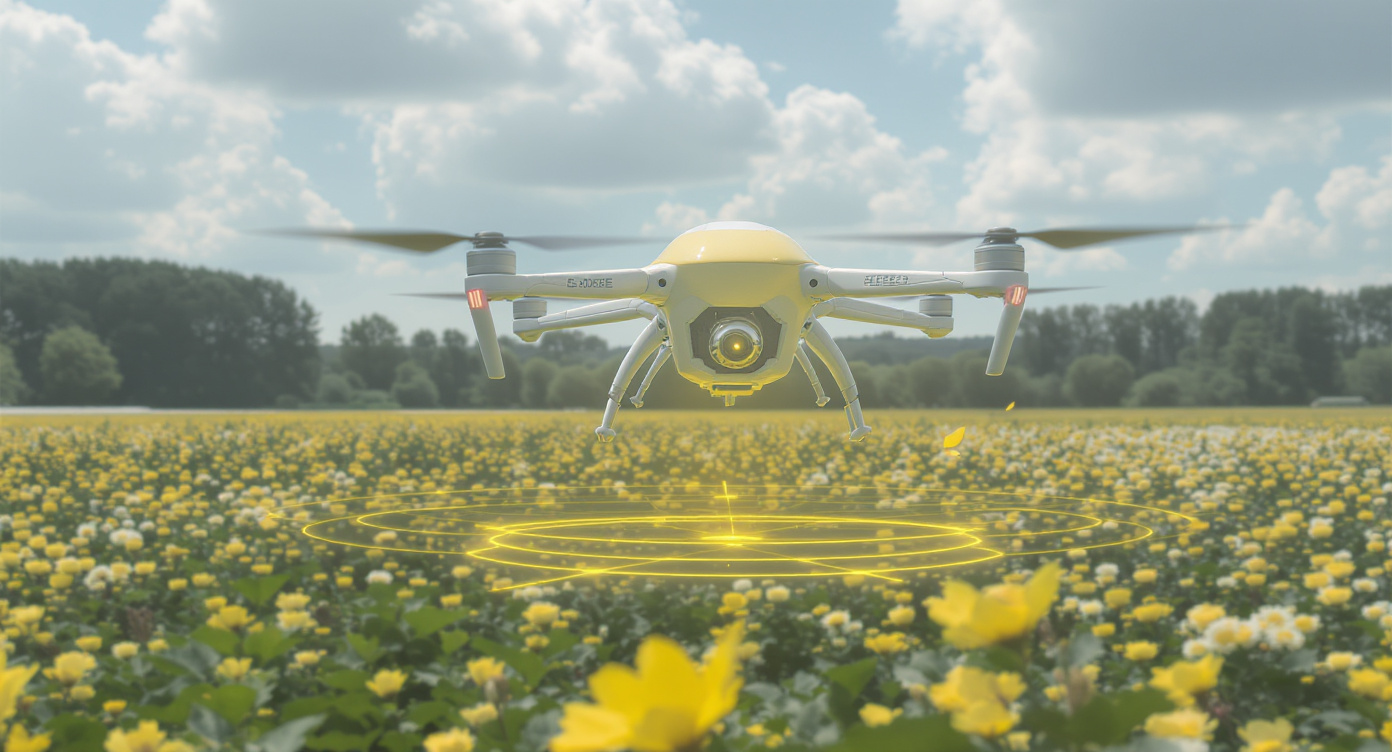
Inspired by the way honeybees navigate, researchers have created a lightweight drone system that can find its way home without relying on GPS, using only minimal memory and visual landmarks. This breakthrough holds promise for applications in agriculture, industry, and robotics research.
Studies have shown that most animals and humans use a similar rhythm to transmit signals—about 2 hertz—which is linked to the way nerve cells function. This universal tempo forms the basis of both natural communication and popular musical rhythms.
Researchers have developed an artificial neural network that mimics the human ability to pick out a single voice in a noisy environment. This model helps to better understand the mechanisms of auditory attention and could contribute to the creation of more effective hearing implants.
Scientists have developed a new method of optical computing that enables data processing at the speed of light and significantly accelerates artificial intelligence operations while consuming minimal energy. The technology is expected to be implemented in photonic chips within the next five years.
The study revealed that bumblebees can distinguish the duration of light signals and use this information to make decisions—a skill previously thought to be unique to vertebrates. This discovery offers new insights into how insect nervous systems function.

 Cursus