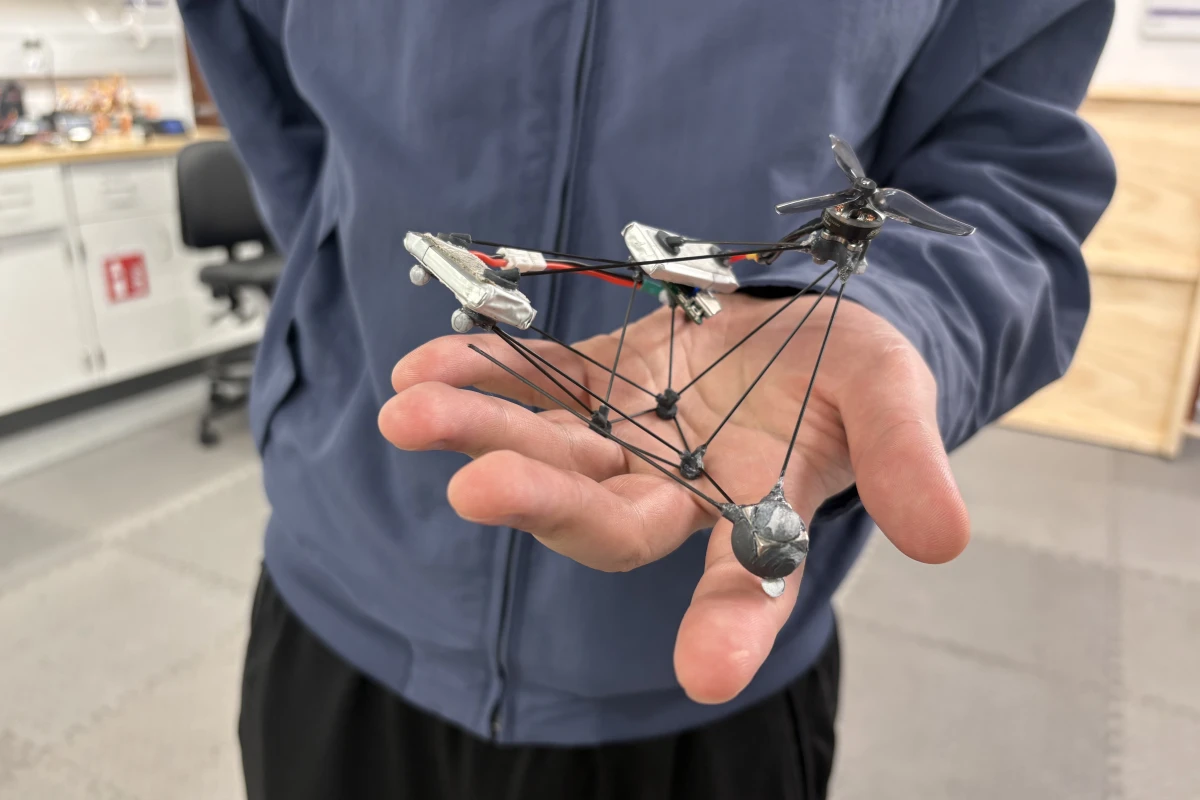
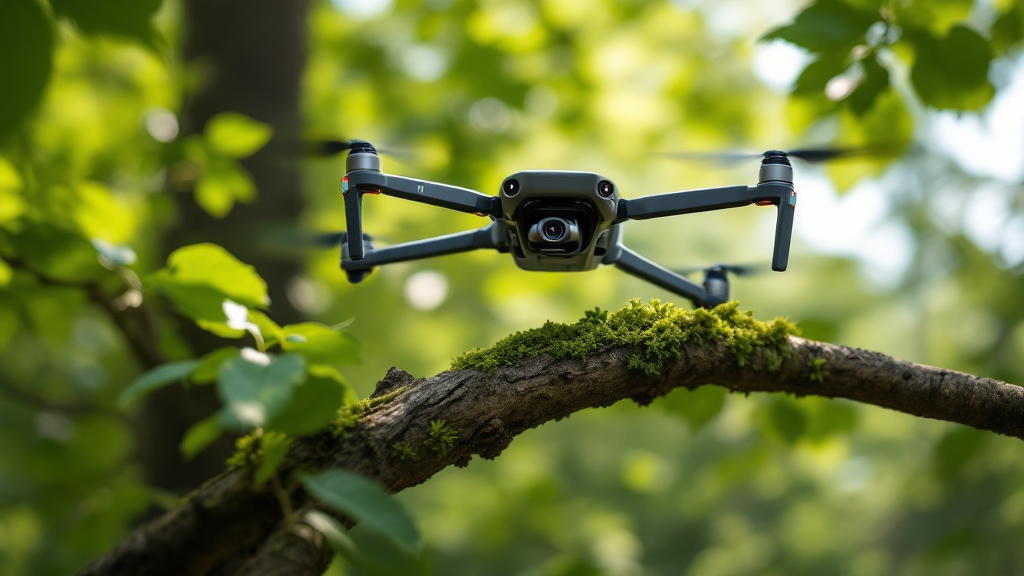
Researchers from Delft University of Technology have developed a drone equipped with tactile sensors that can safely land on tree branches even in low-visibility conditions. This new approach complements visual systems and opens up opportunities for observing nature without unnecessary noise or excessive energy consumption.
In 2024, oil and condensate production in Kazakhstan is expected to decrease by nearly 4% due to drone attacks on export infrastructure and the early shutdown of production at the Tengiz field. Authorities do not anticipate a return to the record output levels of previous years until 2026.
Oil exports from Kazakhstan's largest fields have resumed after a week-long halt caused by drone attacks on tankers in the Black Sea. Operations at the terminal and pipeline have been restored, and production is gradually returning to previous levels.
Kazakh oil companies have temporarily reduced production due to the suspension of tanker loading at the Black Sea terminal following drone attacks. This has affected exports, which account for more than 1% of global oil supplies. Consultations are currently underway to restore stable deliveries.
Engineers at Northwestern University have developed the Phantom Twist drone, which becomes nearly invisible to the human eye thanks to its high-speed rotation. This design allows the device to blend seamlessly into its surroundings and reduces its impact on both animals and people during observation.
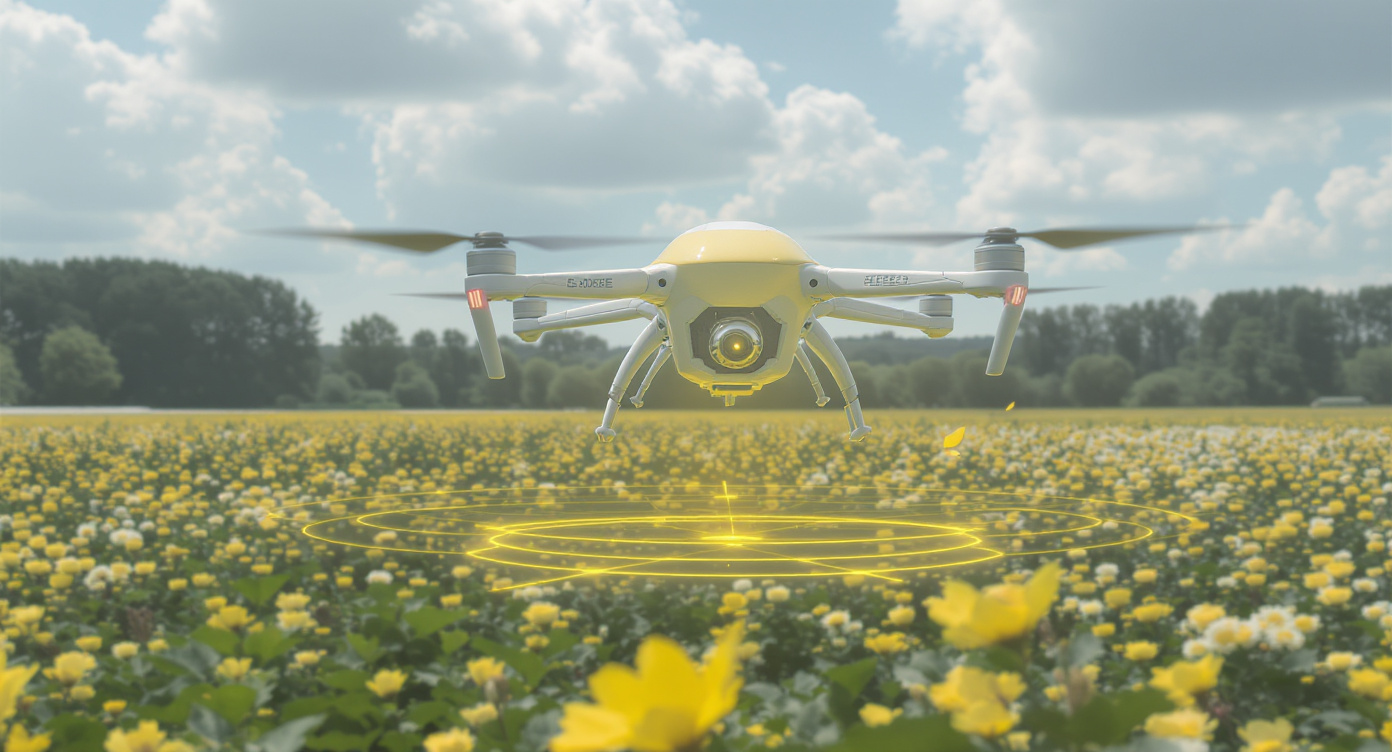
Inspired by the way honeybees navigate, researchers have created a lightweight drone system that can find its way home without relying on GPS, using only minimal memory and visual landmarks. This breakthrough holds promise for applications in agriculture, industry, and robotics research.
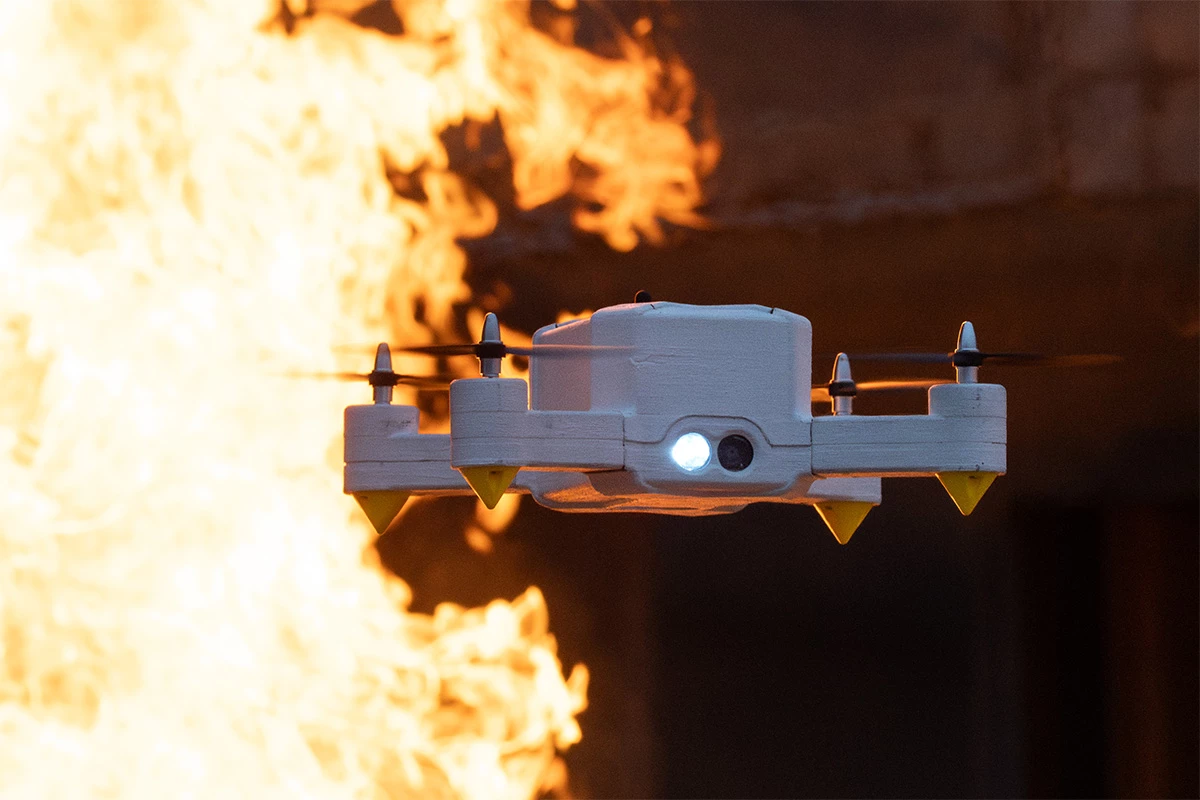
In Switzerland, the FireDrone has been developed—a drone capable of operating at temperatures up to 200 °C and transmitting real-time data, which enhances the safety and efficiency of firefighters. This new technology helps minimize risks for rescue teams and speeds up response to emergencies.
Paleontologists have discovered the world's largest collection of dinosaur tracks in Bolivia—over 16,000 footprints that provide evidence of organized migrations and complex behaviors among ancient predators. Using drones and 3D modeling, researchers were able to identify unique routes, walking patterns, and even traces of swimming left by dinosaurs.
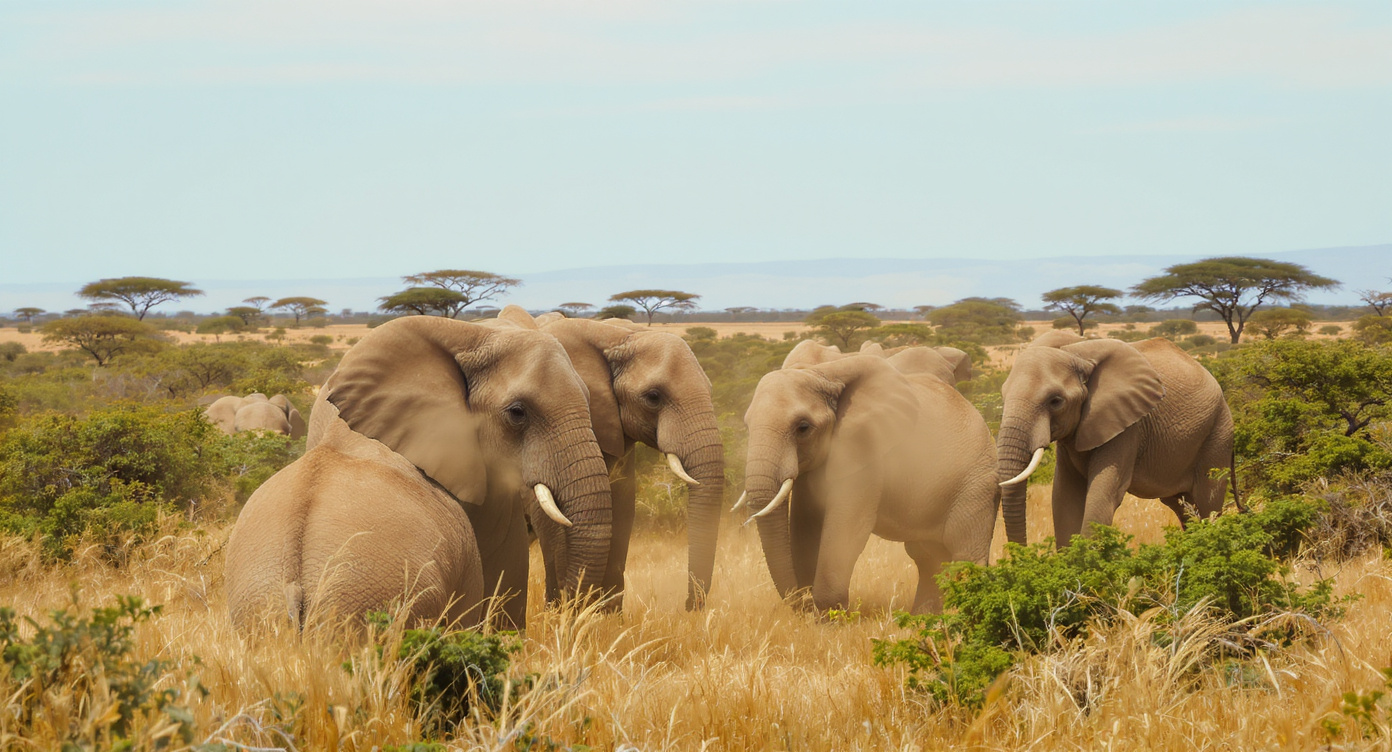
A new study has shown that drones can cause short-term stress and behavioral changes in African elephants. However, when used carefully, their impact is minimal and the animals quickly adapt.

 Ingenium