Modern technologies are enabling artificial intelligence to gradually take on tasks that once required the flying intuition of test pilots. However, human experience remains irreplaceable when it comes to ensuring flight safety.
Yandex researchers have proposed a new modular method that allows voice commands to be added to smart devices without compromising the recognition of already known phrases. This solution reduces the risk of "catastrophic forgetting" and is suitable for devices with limited resources.
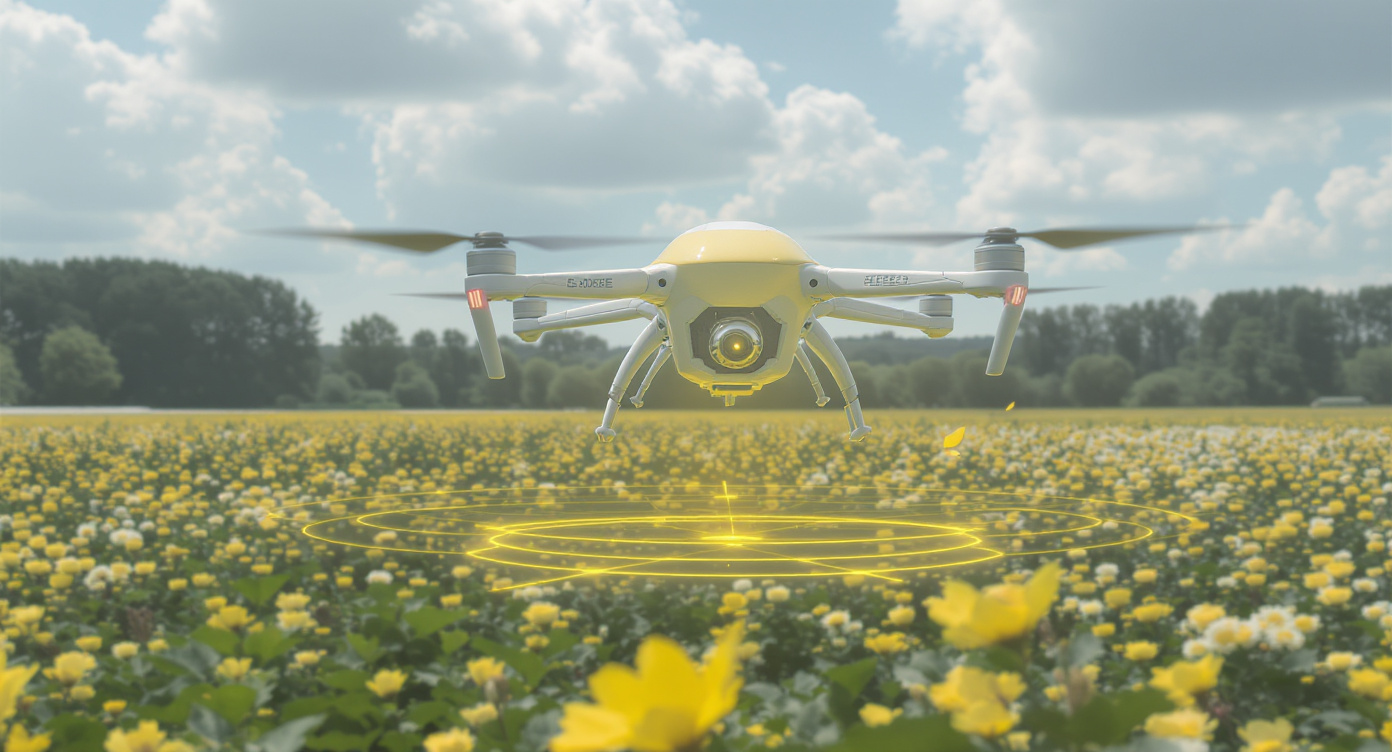
Inspired by the way honeybees navigate, researchers have created a lightweight drone system that can find its way home without relying on GPS, using only minimal memory and visual landmarks. This breakthrough holds promise for applications in agriculture, industry, and robotics research.
Researchers at MIT, using artificial intelligence, have discovered thousands of new genes that protect bacteria from viruses, including previously unknown defense mechanisms. This breakthrough expands our understanding of how immunity evolves in microorganisms.
The article explores modern explanations for the Fermi paradox—why we have not detected extraterrestrial civilizations despite the existence of billions of potentially habitable planets. Special attention is given to the hypothesis that the rapid development of artificial intelligence could drastically shorten the period during which civilizations are observable, making their detection extremely unlikely.


 Ingenium