

Artificial intelligence is learning to replace pilots' intuition
Modern technologies are enabling artificial intelligence to gradually take on tasks that once required the flying intuition of test pilots. However, human experience remains irreplaceable when it comes to ensuring flight safety.
Ingenium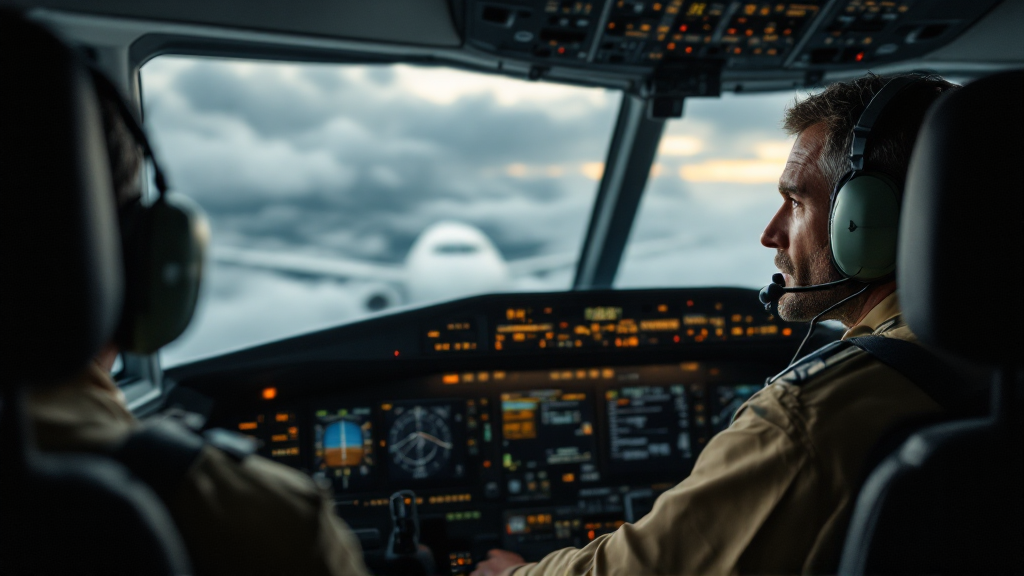
In the work of a test pilot, unexpected situations often arise that require immediate response. Over time, pilots develop what is known as flight intuition, which allows them to make quick decisions. Currently, there is ongoing discussion about whether artificial intelligence might one day be able to replace this intuition.
With the advancement of technology, more and more flight operations are being performed automatically. It is expected that in the future, artificial intelligence will take on even more tasks that are currently handled by humans, although this will require time.
Modern neural networks are already capable of analyzing large volumes of data, comparing current situations with thousands of similar cases from the past. For artificial systems to reach the level of flight intuition, they need to accumulate a significant amount of information.
At present, pilot experience is used to train algorithms: pilots repeatedly perform certain maneuvers, while engineers analyze their actions and possible mistakes. This data is then applied in automated systems.
In the long term, artificial intelligence systems trained on vast datasets may be able to replicate flight intuition. However, as of today, a pilot’s experience remains a crucial element in ensuring flight safety.