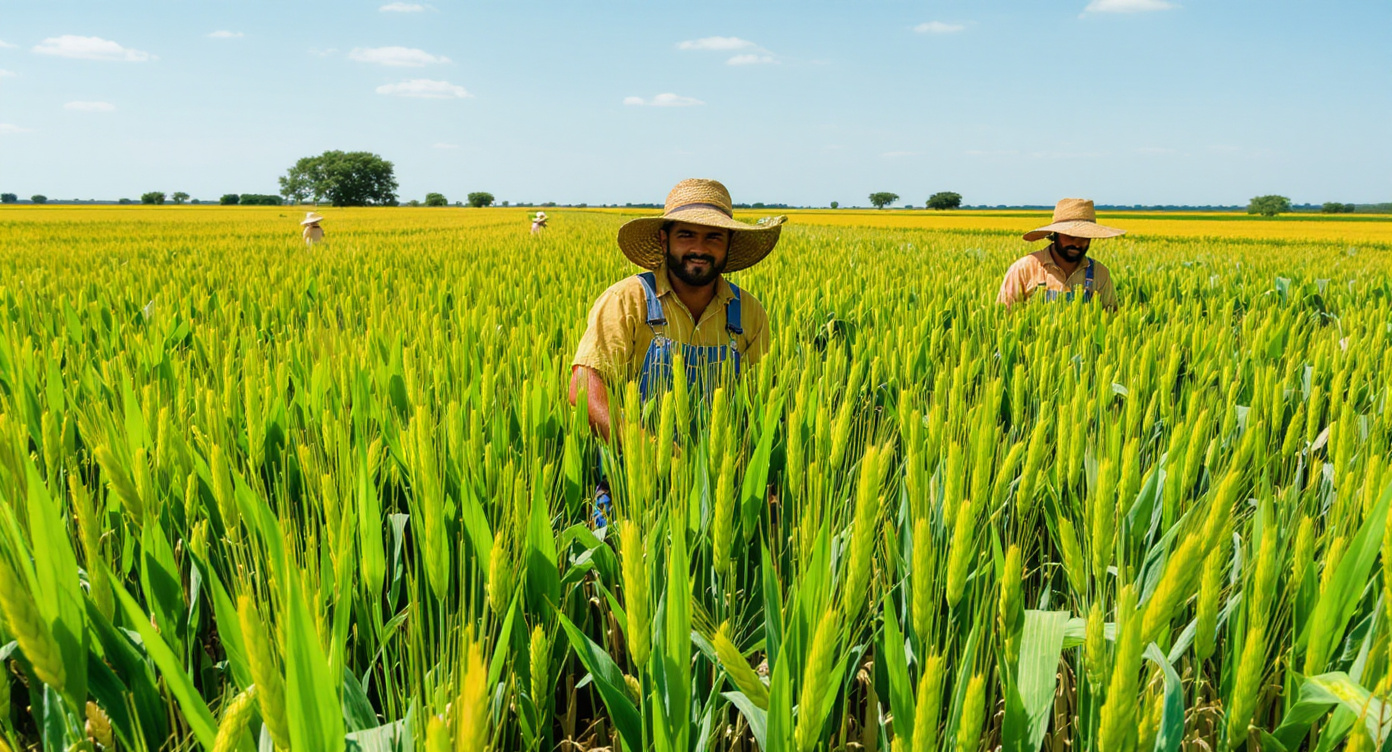
Scientists have developed a more accessible and cost-effective method for determining biologically active phosphorus in soil, which is linked to microbial activity. This new approach will help study soil fertility more efficiently and make better use of limited phosphorus resources in agriculture.
Irrigation in U.S. agriculture helps increase crop yields without expanding cultivated land, which prevents greenhouse gas emissions from converting natural areas. Efficient water use and the adoption of environmentally friendly technologies can further enhance the climate performance of the agricultural sector.
A new study has shown that glyphosate reduces foraging activity in honey bees and may disrupt the chemical balance in their brains. This could negatively affect hive health and highlights the need for further research.
Switching to healthier diets and reducing food waste could significantly reshape the structure of agriculture and lower CO2 emissions by 2050. A decline in livestock farming and an increase in plant-based food production are expected; however, the economic impacts will vary by region and will require thoughtful support for vulnerable sectors.
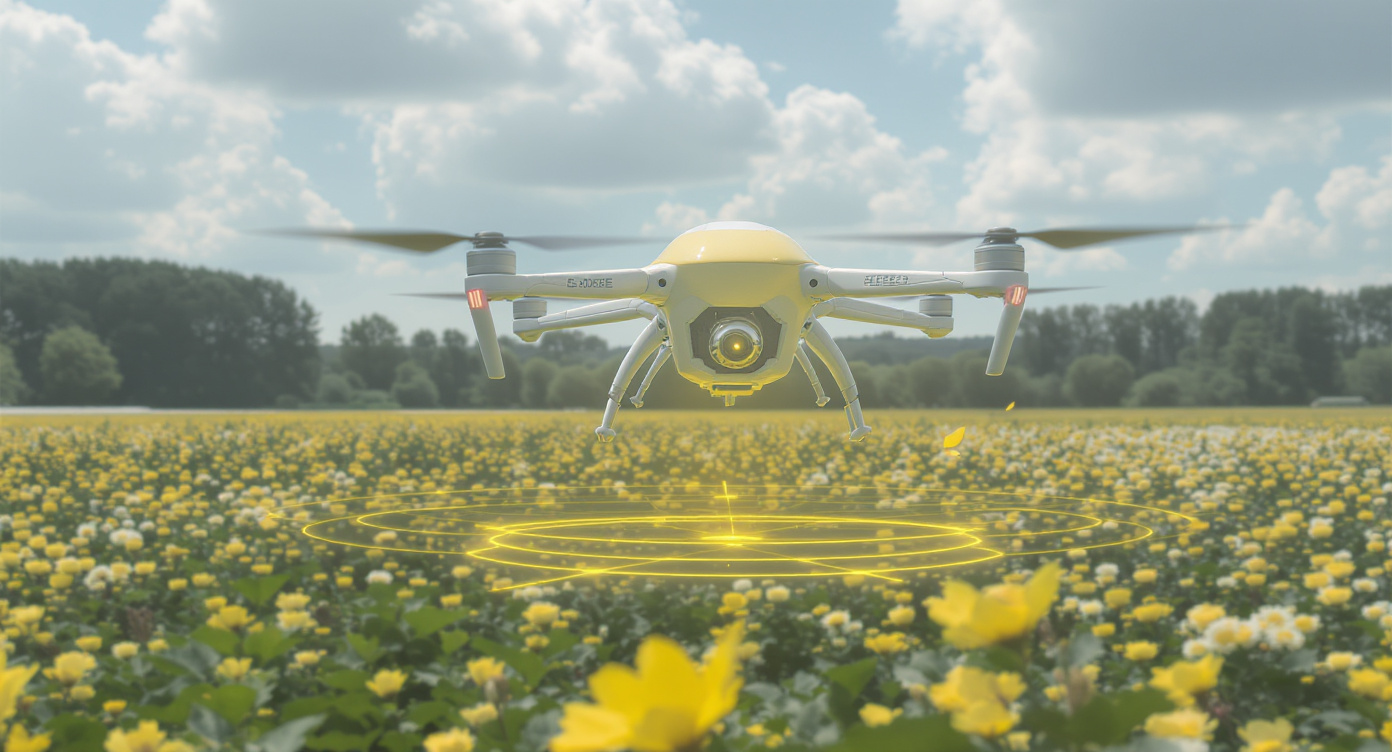
Inspired by the way honeybees navigate, researchers have created a lightweight drone system that can find its way home without relying on GPS, using only minimal memory and visual landmarks. This breakthrough holds promise for applications in agriculture, industry, and robotics research.
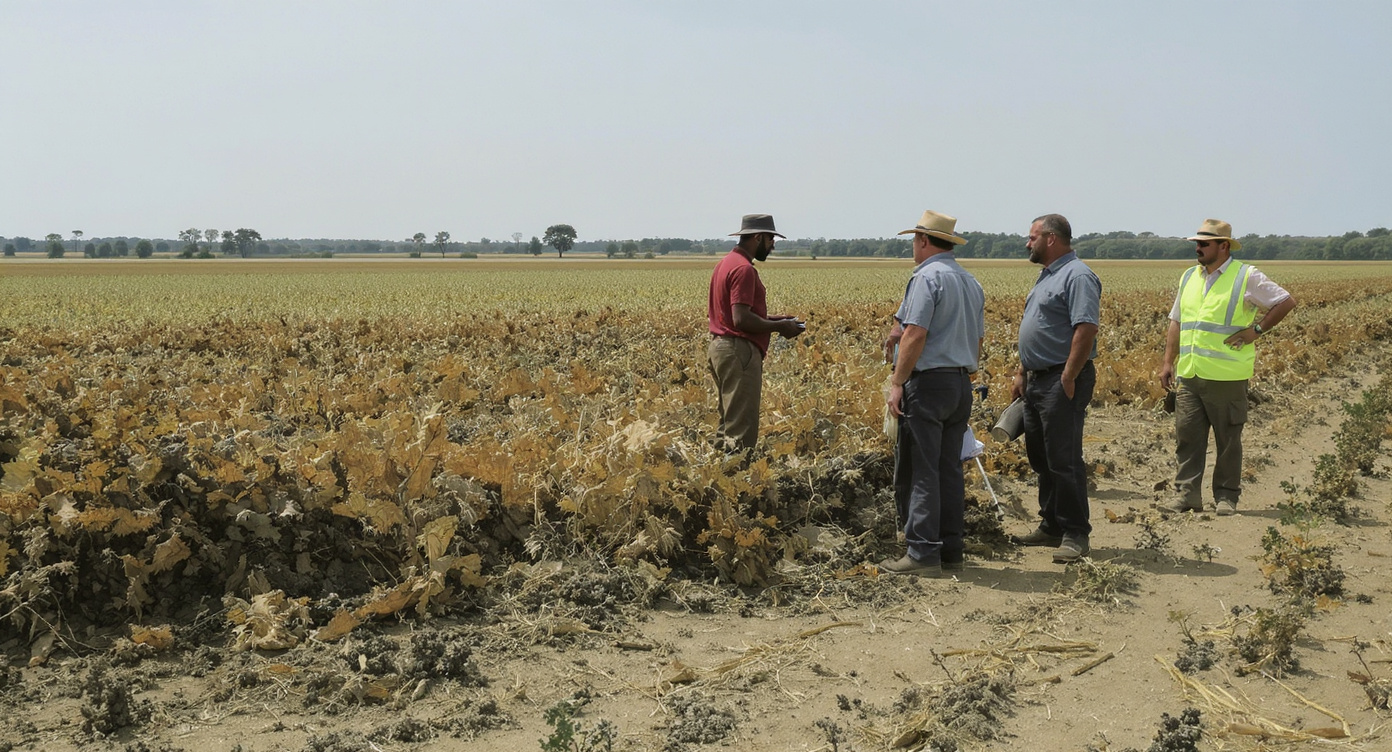
The Hungarian government has announced the introduction of emergency measures to support farmers due to a severe drought threatening the country's agriculture and economy. Swift actions are expected to minimize the consequences.
A new study has shown that warming in the United States is uneven: different regions are experiencing changes in extreme temperatures, not just in average values. This calls for tailored approaches to adaptation and climate policy.
A new study has shown that raising groundwater levels in Arctic peatlands significantly reduces CO2 emissions without increasing methane or nitrous oxide emissions. Effective emissions management requires a comprehensive approach that takes into account local conditions and agricultural practices.
Scientists from Illinois have developed a system that allows real-time observation of plant stomata activity and measurement of gas exchange. This breakthrough will help breed crops that use water more efficiently, which is especially important for arid regions.
Scientists have used CRISPR technology to create wheat that encourages soil bacteria to naturally fix nitrogen. This breakthrough could reduce fertilizer costs, increase crop yields, and lessen environmental harm.
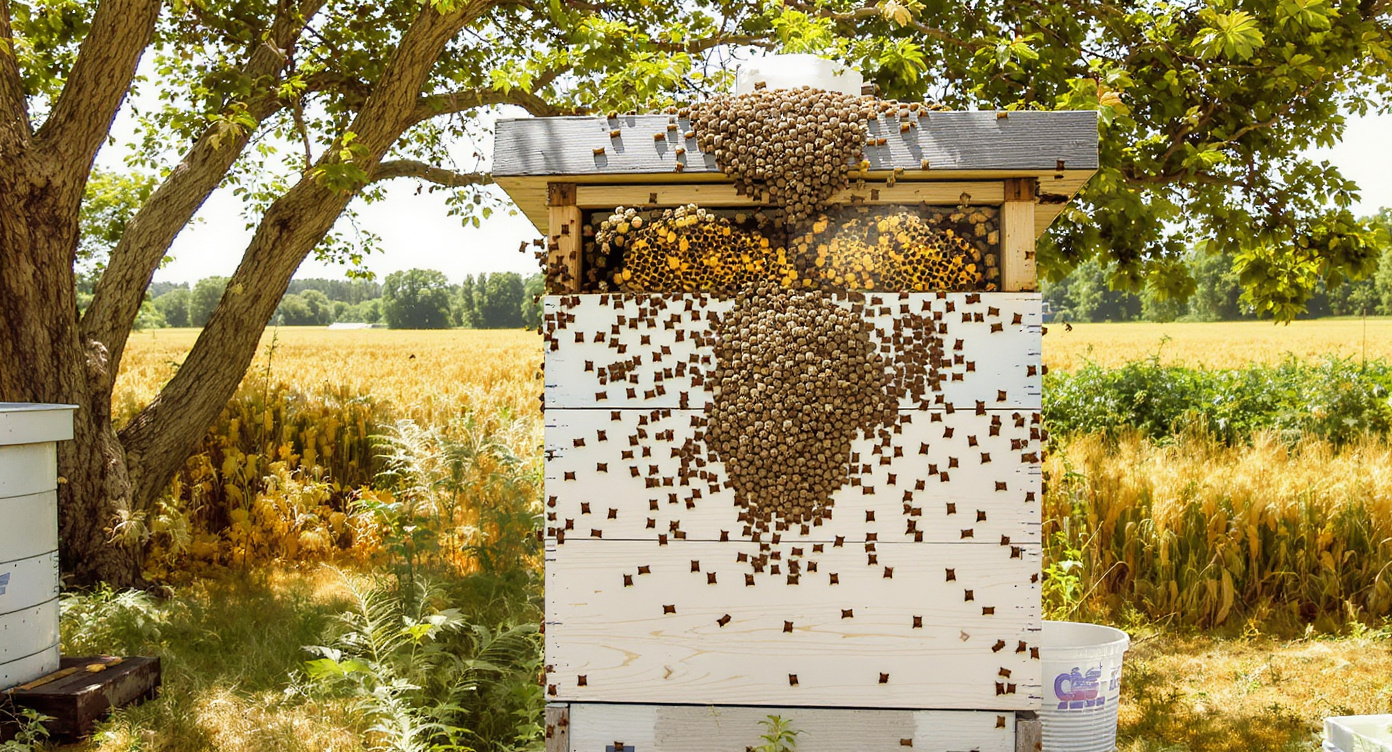
A new study has shown that extreme heat can disrupt the temperature regulation in beehives and reduce the size of bee colonies, posing a threat to pollination and agriculture. Scientists recommend measures to reduce heat stress and help maintain stable bee populations.
The plant Tidestromia oblongifolia can actively grow even in extreme heat thanks to its unique adaptation mechanisms. Studying its resilience may help develop new agricultural crops for the future in the context of global warming.
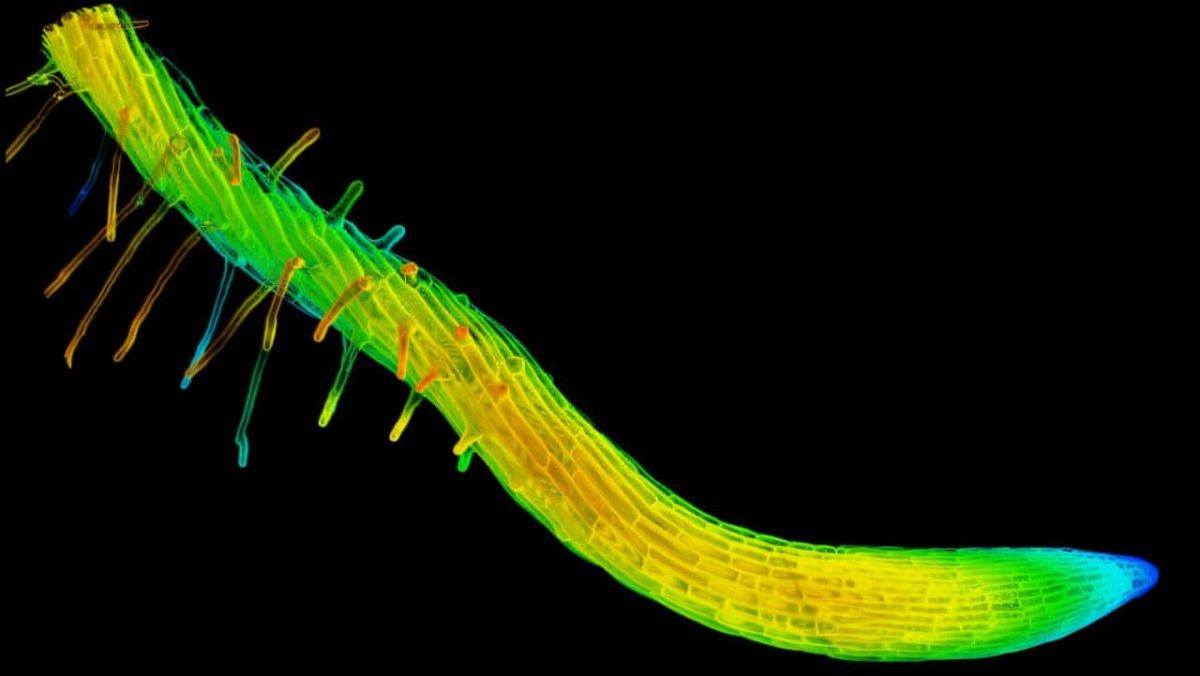
A new study has shown that the outer layer of a root determines its shape and mechanical properties, opening up new possibilities for improving the resilience of crops to challenging soil conditions.
Scientists have discovered a molecular switch that enables plants to enter into symbiosis with nitrogen-fixing bacteria. This breakthrough could pave the way for the development of cereal crops capable of supplying themselves with nitrogen, thereby reducing agriculture's reliance on fertilizers.
A new study has found that heat waves in U.S. rivers are intensifying four times faster than in the atmosphere and last nearly twice as long, posing a serious threat to aquatic ecosystems and water quality.


 Cursus