

Heat threatens the survival of bees and crop yields
A new study has shown that extreme heat can disrupt the temperature regulation in beehives and reduce the size of bee colonies, posing a threat to pollination and agriculture. Scientists recommend measures to reduce heat stress and help maintain stable bee populations.
Natura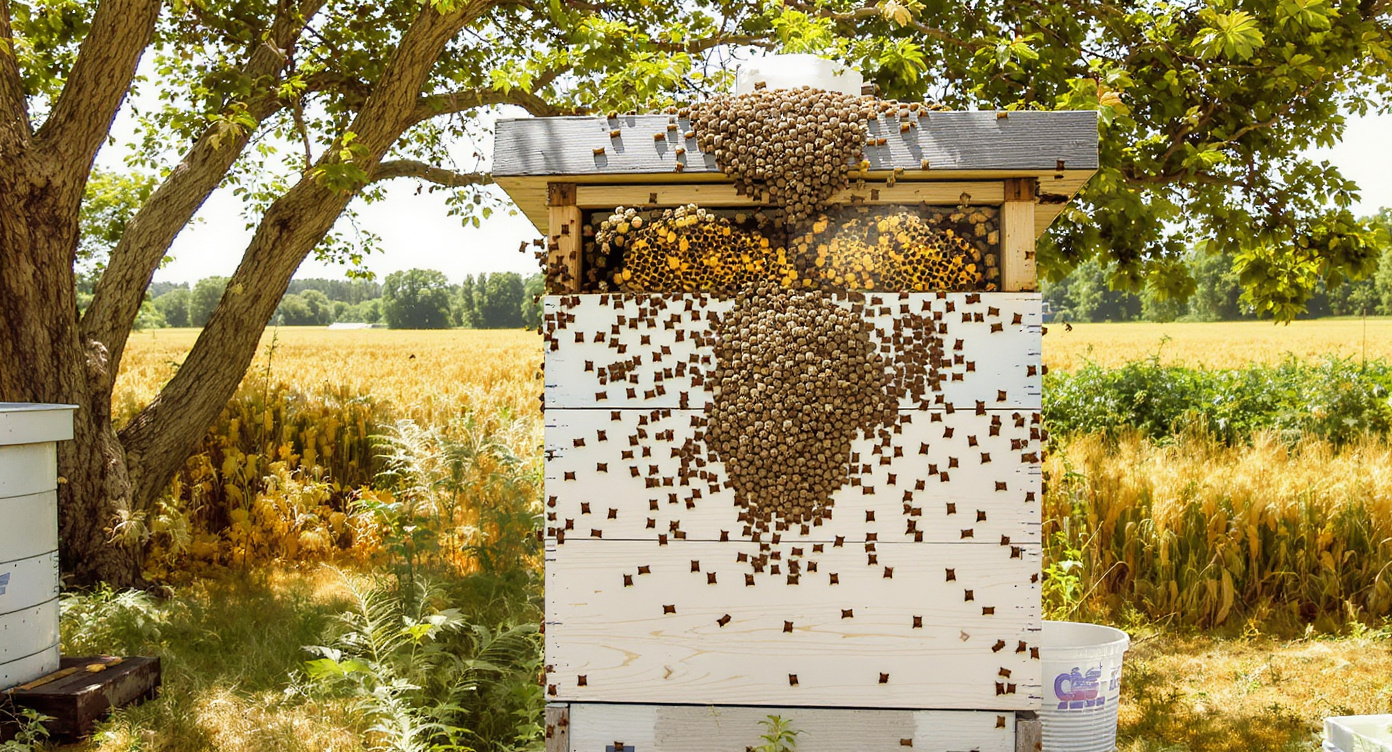
Honey bees are renowned for their ability to maintain optimal temperatures inside the hive. However, new research has shown that extreme summer heat can overwhelm their natural cooling mechanisms. According to data published in the journal Ecological and Evolutionary Physiology, prolonged periods of high temperatures can disrupt the thermal balance within hives and lead to a significant decline in bee colony populations.
The Impact of Heat on Bee Colonies
During a study conducted in Arizona over an especially hot summer, scientists observed nine bee colonies. For three months, air temperatures frequently exceeded 40°C. The results indicated that intensifying heatwaves around the world pose a serious threat to honey bees and their pollination functions, which are vital for agriculture.
The authors note that while bee defense mechanisms against heat are well studied, until now there has been little research assessing the limits of their thermoregulation and the effects of natural heatwaves on the colonies’ ability to control temperature and grow.
Dangerous Temperature Fluctuations Inside the Hive
The study found that despite the colonies’ ability to keep the average brood temperature within the ideal range of 34–36°C, there were significant temperature swings inside the hive throughout the day. Bees developing in the center of the brood spent about 1.7 hours per day below the optimal temperature and around 1.6 hours above this range. Conditions at the edges of the brood were even harsher: young bees there spent nearly eight hours a day outside the safe temperature window, exposing them to stress and potentially harmful effects.
These repeated temperature spikes had clear biological consequences. Colonies exposed to higher peak air temperatures and greater internal fluctuations experienced a reduction in population. According to the study, excessive heat with maximum temperatures above 40°C can decrease colony size by disrupting brood thermoregulation or shortening the lifespan of adult bees.
Why Larger Colonies Cope Better
Colony size proved to be an important factor in heat resilience. Larger colonies were better at maintaining stable internal temperatures. In the smallest hives, brood edge temperatures fluctuated by up to 11°C per day, while in larger colonies the variation was about 6°C. Thanks to this stability, both developing bees and adult workers in bigger colonies spent significantly less time exposed to extreme temperatures that threaten their survival.
Climate Change and Growing Risks
Scientists warn that the problems identified in Arizona could become increasingly common in other regions. Climate forecasts suggest that by the end of the century, the average global temperature could rise by about 2.7°C, and with high greenhouse gas emissions, up to 4°C. This is expected to lead to more frequent and intense heatwaves in many parts of the world.
Humidity as an Additional Risk Factor
The study’s authors also point out that high humidity significantly reduces the effectiveness of evaporative cooling—the main mechanism bees use to regulate hive temperature. This could make it even more difficult to maintain optimal conditions inside the hive.
Practical Recommendations for Beekeepers and Agriculture
The findings are important for beekeepers and agricultural systems that depend on honey bee pollination. Researchers recommend measures such as providing additional water, placing hives in shaded areas, improving hive design and insulation, and ensuring access to high-quality food resources. These steps can help reduce heat stress and support colony stability as temperatures continue to rise.