 Agros
AgrosAgriculture and agribusiness · Crop ProductionResearch and development · BiotechnologyAgriculture and agribusiness · Agrochemistry
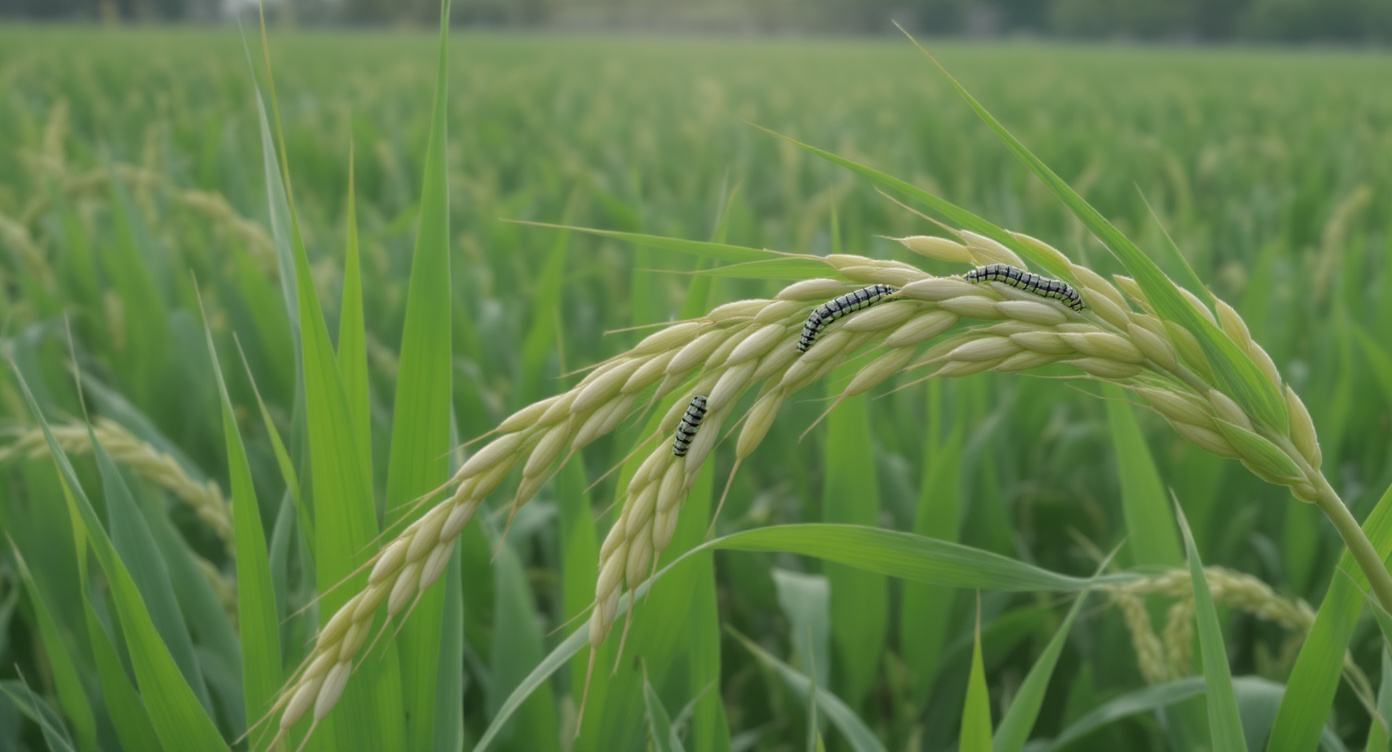
Rice eliminates pests using a trap mechanism.
American scientists have discovered that rice defends itself against caterpillars by luring them inside its spikelets, where special hairs trap them, making escape impossible. Then, the grain husks close in and fatally crush the pests. This natural defense mechanism could help develop new varieties of cereals that are resistant to insects without the need for chemical pesticides.
0 —