Scientists from Illinois have developed a system that allows real-time observation of plant stomata activity and measurement of gas exchange. This breakthrough will help breed crops that use water more efficiently, which is especially important for arid regions.
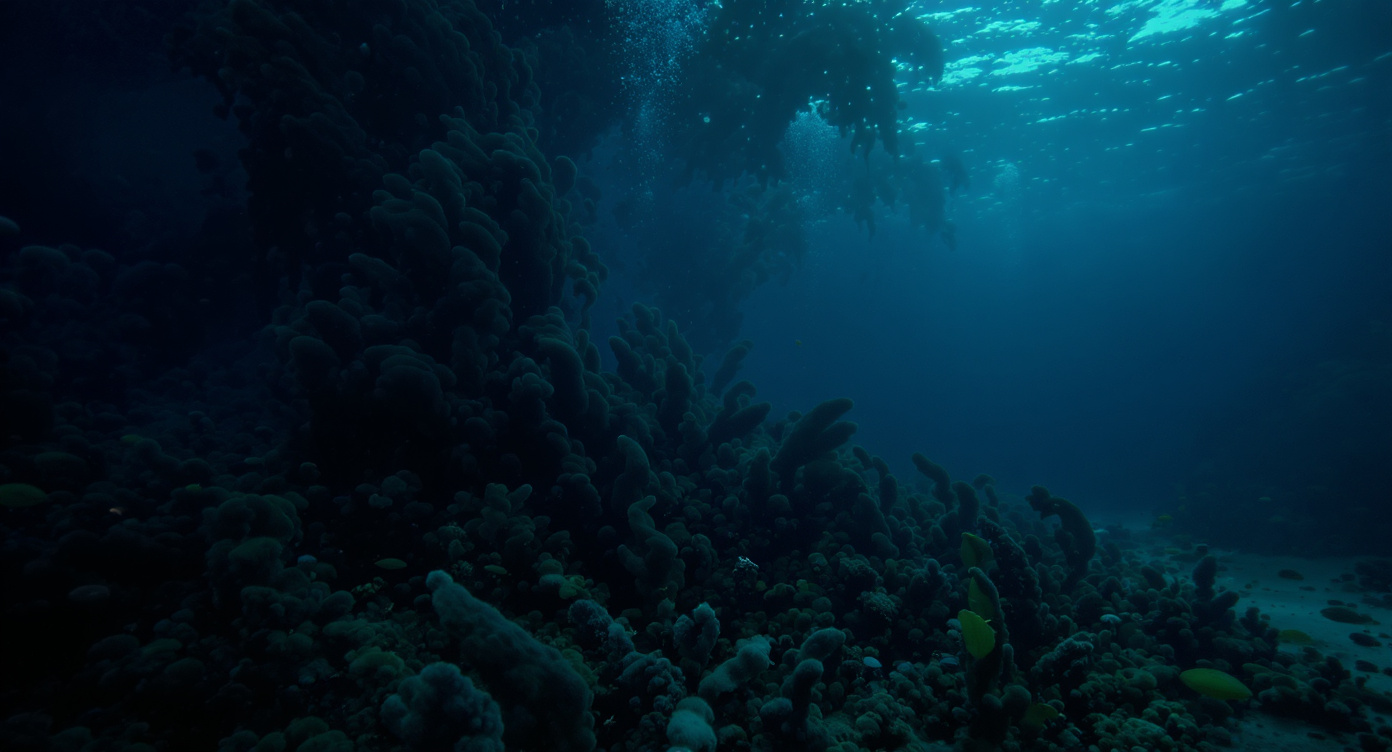
Scientists have developed the first system for detecting and comparing short-term but intense periods of underwater darkness—so-called "marine dark waves"—which can seriously disrupt marine ecosystems. This new method will help track such events worldwide and assess their impact on algae, seagrasses, and corals.
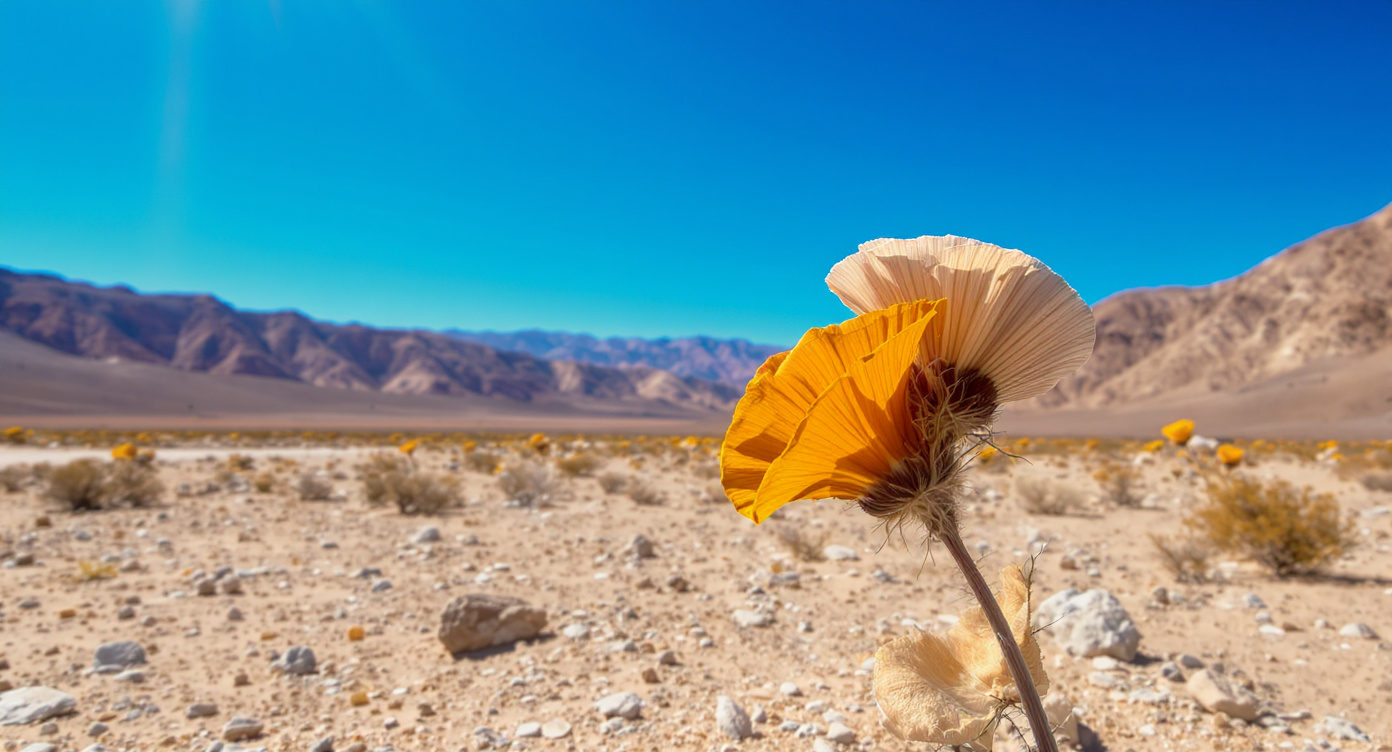
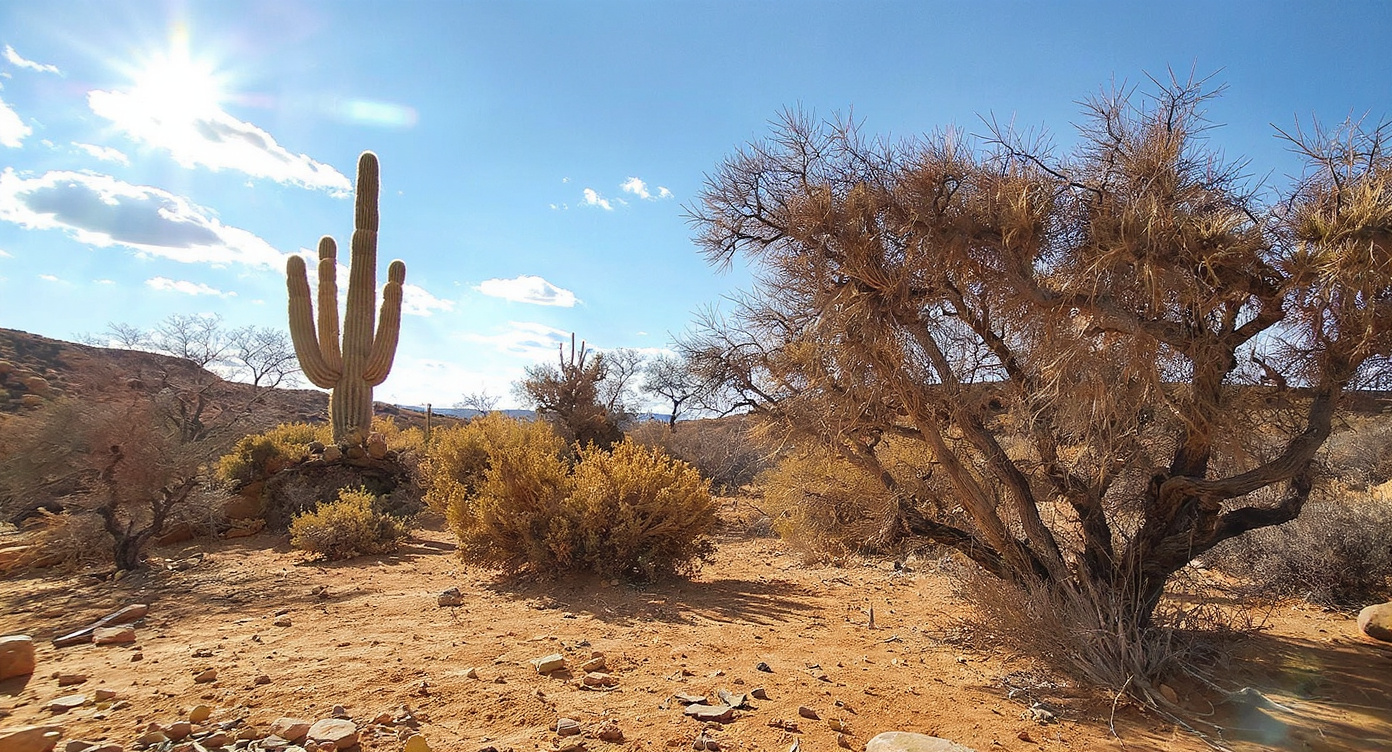
The plant Tidestromia oblongifolia can actively grow even in extreme heat thanks to its unique adaptation mechanisms. Studying its resilience may help develop new agricultural crops for the future in the context of global warming.
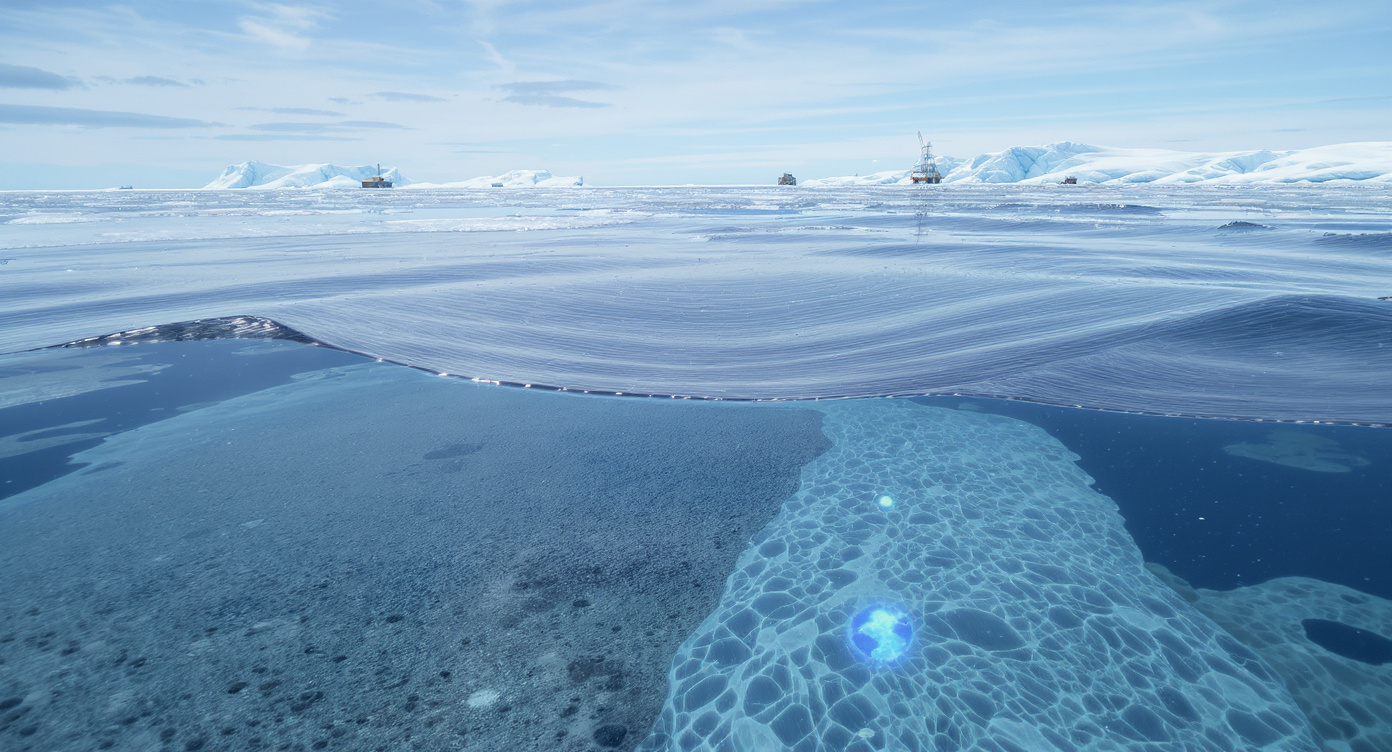
Scientists have reconstructed the history of Arctic sea ice over the past 30,000 years by analyzing cosmic dust found in marine sediments. This data helps to understand how the reduction of sea ice affects the region's ecosystems and food chains.
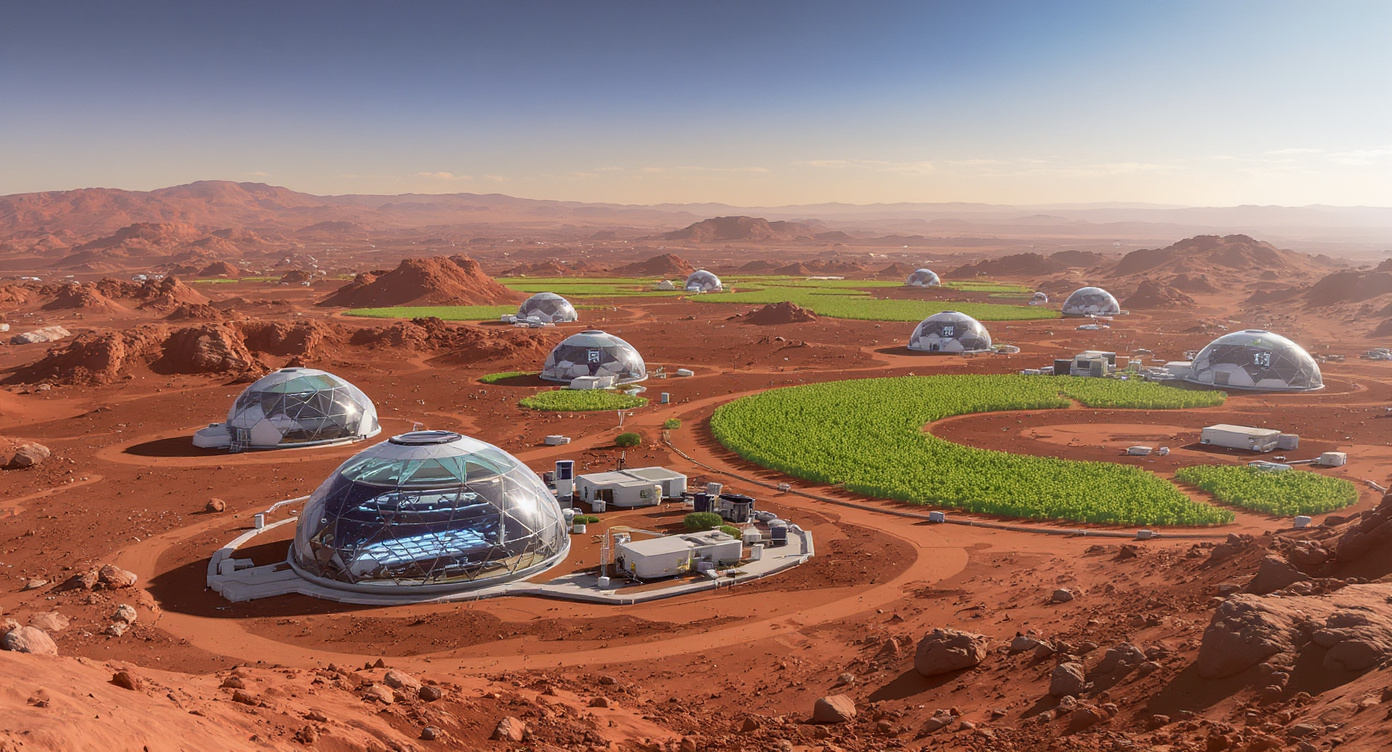
Scientists have developed a step-by-step plan to create an oxygen-rich, breathable atmosphere on Mars by utilizing local resources and photosynthesis. Implementing this plan on a planetary scale could take thousands of years.
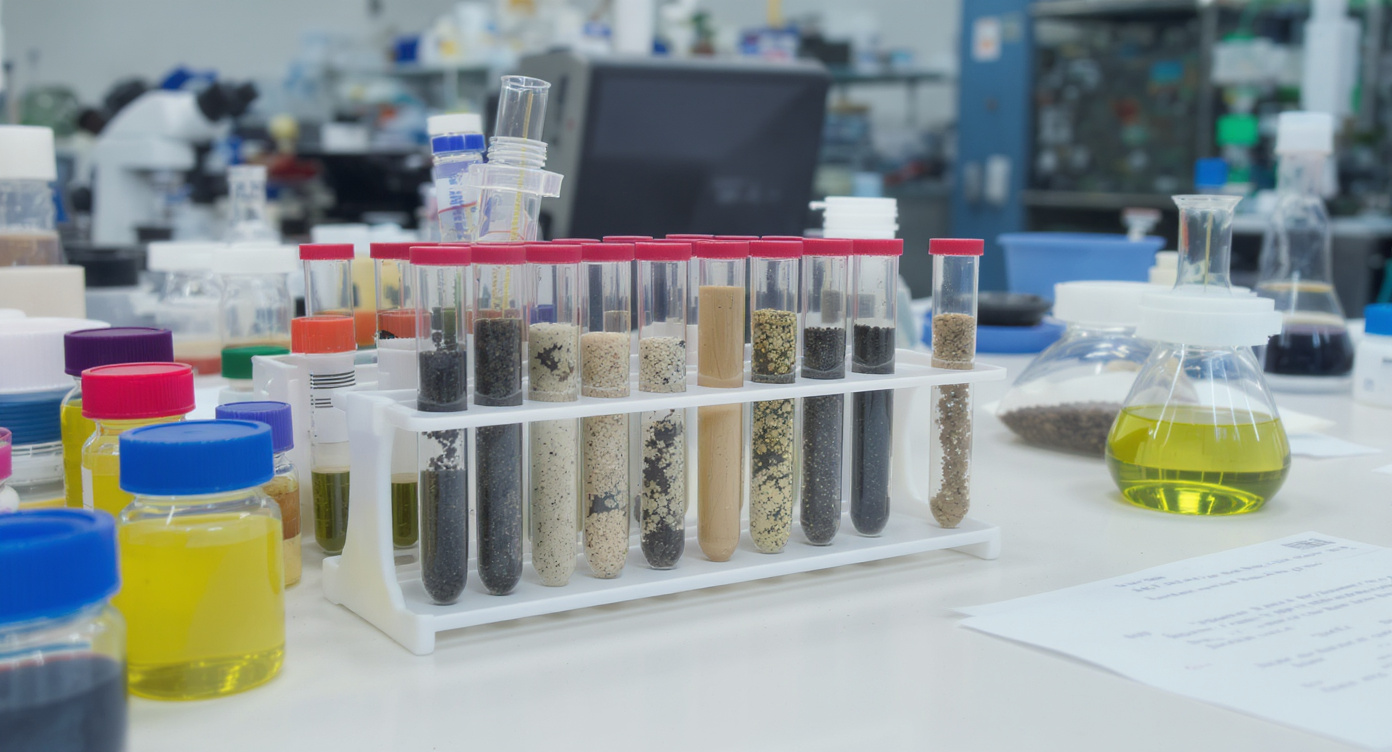
A new study has shown that an increase in temperature alone does not raise CO₂ emissions from nutrient-poor soils—available forms of carbon and nutrients are also necessary for this to occur. This finding refines our understanding of the carbon balance in nature.

 Cursus