

Sudden "dark waves" threaten marine ecosystems
Scientists have developed the first system for detecting and comparing short-term but intense periods of underwater darkness—so-called "marine dark waves"—which can seriously disrupt marine ecosystems. This new method will help track such events worldwide and assess their impact on algae, seagrasses, and corals.
Natura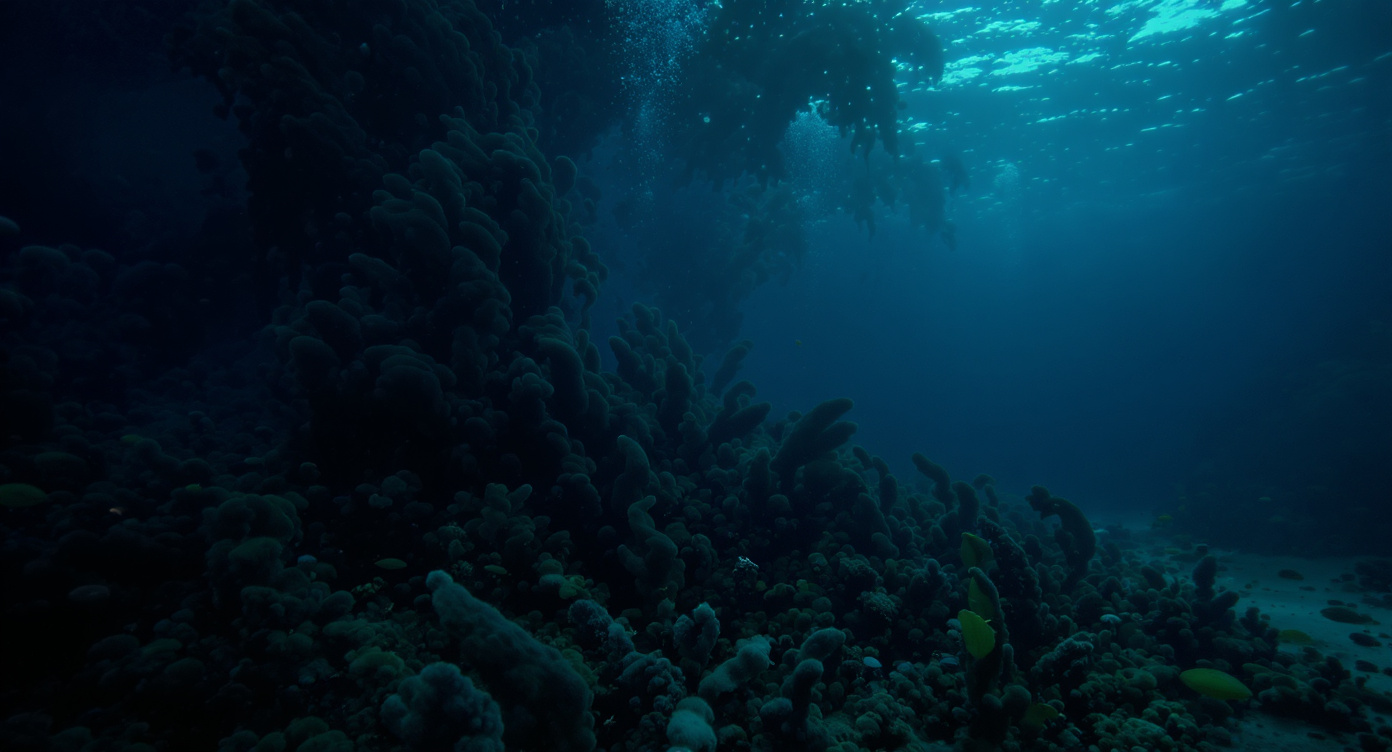
Clouds, smoke, and fog can block sunlight in the atmosphere, but beneath the ocean’s surface, other factors can plunge the seafloor into darkness. Runoff, algal blooms, and organic debris can sharply reduce underwater light, sometimes turning bright coastal waters into near-nighttime gloom. To better understand these phenomena, an international team of scientists has developed the first system for identifying and comparing so-called marine dark events.
Introducing the Concept of "Marine Dark Wave"
In a study published in Communications Earth & Environment, researchers introduce the term "marine dark wave." These are short-lived but intense periods of underwater darkness that can seriously disrupt kelp forests, seagrass meadows, and other light-dependent organisms. It has long been known that light levels are critical for photosynthetic organisms—such as algae, seagrasses, and corals. Any factors that reduce light on the seafloor can negatively impact their health. This new research lays the groundwork for comparing such events, which are now referred to as "dark waves."
The Need for a Unified Assessment System
Until recently, scientists lacked a standardized method for assessing extreme underwater light loss across different regions. The new system aims to make these events measurable and comparable worldwide. Light is a fundamental factor in marine productivity, yet there has been no universal way to measure extreme reductions in underwater illumination.
Long-Term Data Reveal Patterns
To develop the system, researchers analyzed years of data from various coastal regions. The study used 16 years of measurements from the Santa Barbara Coastal LTER ecological station and 10 years of observations from coastal areas in New Zealand (Hauraki/Tīkapa Moana Gulf, Thames Estuary). Additionally, 21 years of satellite-based assessments of seafloor illumination along New Zealand’s eastern coast were examined.
In these regions, marine dark waves ranged from brief events lasting just a few days to prolonged episodes that continued for more than two months. In some cases, the light reaching the seafloor almost completely disappeared.
Causes and Consequences of Dark Waves
Since 2002, researchers have identified between 25 and 80 dark waves along the eastern coastline. Many of these were linked to powerful storms and large-scale weather systems, including Cyclone Gabrielle.
Previously, it was believed that the main threat to coastal ecosystems was the slow, long-term decline in water clarity. However, new data show that sudden dark waves can be just as destructive. Even short periods of reduced light can disrupt photosynthesis in kelp forests, seagrass, and corals. Moreover, such events can affect the behavior of fish, sharks, and marine mammals. If darkness persists, the ecological consequences can be significant.
A New Tool for Monitoring Ocean Stress
The marine dark wave system complements existing tools for monitoring marine heatwaves, ocean acidification, and deoxygenation. Together, these systems help coastal communities, conservation organizations, and resource managers better understand when marine ecosystems are experiencing acute and immediate stress.
Since the Santa Barbara Coastal LTER station is one of the few programs worldwide that collects long-term seafloor illumination data, scientists plan to expand their research. In particular, they intend to study how sedimentation and turbidity—driven by wildfires and landslides—affect California’s kelp forests.